British Museum
World-famous collection of art and antiquities spanning two million years of history
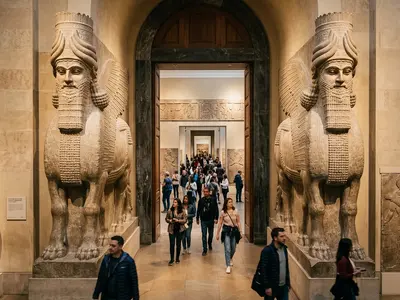
World-famous collection of art and antiquities spanning two million years of history
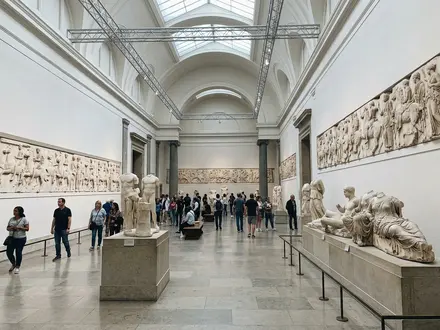
Home to eight million objects spanning every continent, the British Museum takes you from ancient Egyptian mummies and Greek marbles to Anglo-Saxon gold — all under one roof.
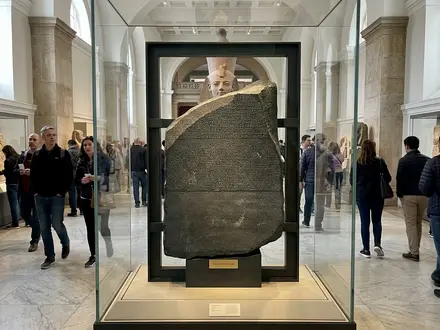
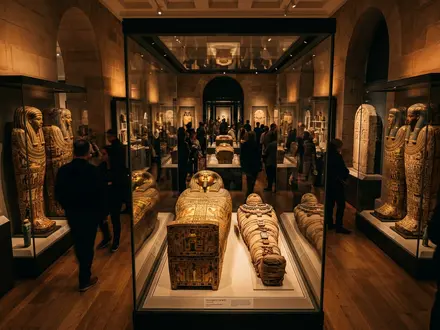
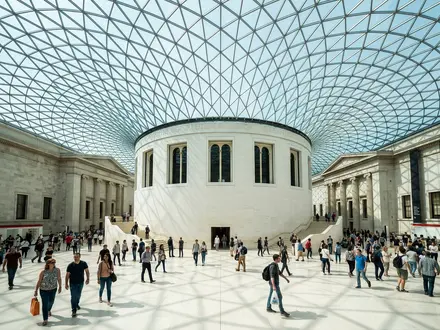
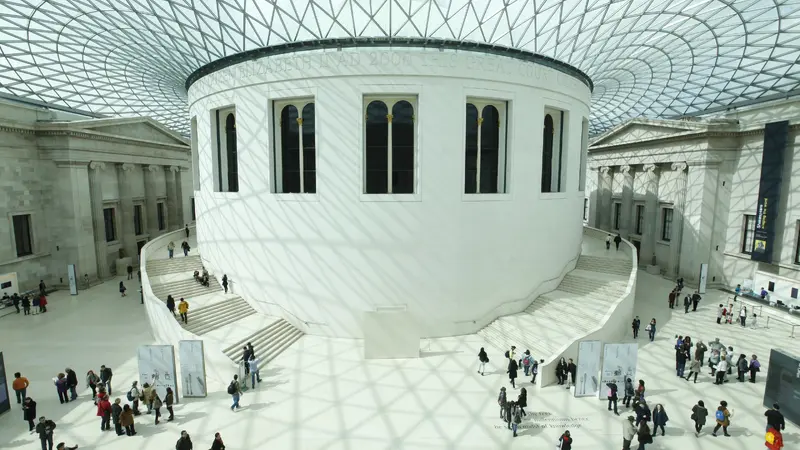
With late Friday-evening openings and a rolling programme of blockbuster exhibitions, there is always a reason to visit. Start with the iconic Rosetta Stone, wander through the Egyptian mummies, and take in the spectacular glass-roofed Great Court. Whether you have an hour or a whole day, expect to be surprised at every turn.
The story begins with Sir Hans Sloane, a physician whose collection of 71,000 objects was offered to the nation on his death in 1753. Parliament passed the British Museum Act that same year, and in January 1759 the doors opened at Montagu House — the first national public museum in the world, free and open to "all studious and curious persons."
Through the nineteenth century the museum was rebuilt to Sir Robert Smirke's grand neoclassical design. The south facade, with its 44 towering columns, was completed in 1852 and remains one of London's most recognisable landmarks.
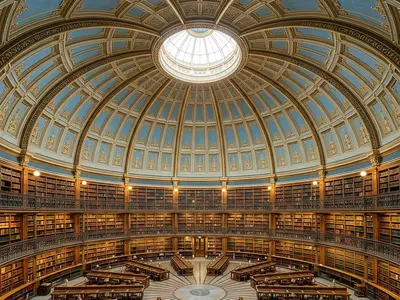
In 2000 the Queen Elizabeth II Great Court opened, transforming the former inner courtyard into a dramatic public space with the restored Round Reading Room at its centre.
The permanent galleries are organised by region and period. Highlights include the Assyrian lion-hunt reliefs in Room 10, the Lewis Chessmen in Room 40, the Sutton Hoo ship burial in Room 41, and the Enlightenment Gallery in Room 1 — the museum's original display from 1759. Upstairs, the less-visited Rooms 90–94 house a remarkable collection of Japanese, Chinese and South Asian art that most visitors walk straight past.
Departments span Ancient Egypt and Sudan, Greece and Rome, Asia, Africa, the Americas, and Prints and Drawings. Themed trails are available for visitors who want to explore a particular culture or era in depth, and the museum's own app suggests routes based on how much time you have.
The museum runs a programme of ticketed temporary exhibitions alongside the permanent galleries, often drawing on rarely-shown items from the reserve collection. Past shows have covered everything from Hokusai to Stonehenge. Exhibitions typically run for three to four months and can sell out at weekends, so booking ahead is worthwhile.
The events calendar includes gallery talks, curator-led tours, late Friday-evening openings, and family workshops during school holidays. Check the website for what's on during your visit. Before you leave, the museum shop near the Great Court is worth a browse — it stocks prints, jewellery replicas and books you won't find elsewhere.
Under 16s free for all exhibitions
The museum stays open until 8:30pm on Fridays with noticeably fewer crowds — perfect for a relaxed after-work visit.
The Egyptian galleries and Rosetta Stone get busiest between 11am and 1pm. Aim for opening time or mid-afternoon to avoid queues.
The rear entrance on Montague Place is usually much quieter than the main Great Russell Street door and has step-free access.
Pick one up at any information desk. The museum is huge and easy to get lost in — the map helps you prioritise the galleries you care about most.
The free British Museum app includes interactive maps and audio commentary for key objects — a good alternative to the £7 audio guide.

London Travel Writer · 12+ years covering UK attractions and tourism
Last reviewed: March 10, 2026