Courtauld Gallery
Intimate world-class collection of Impressionist and Post-Impressionist masterpieces inside the grand rooms of Somerset House
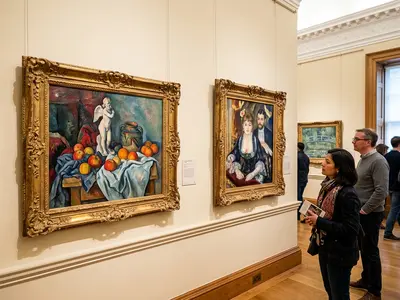
Intimate world-class collection of Impressionist and Post-Impressionist masterpieces inside the grand rooms of Somerset House
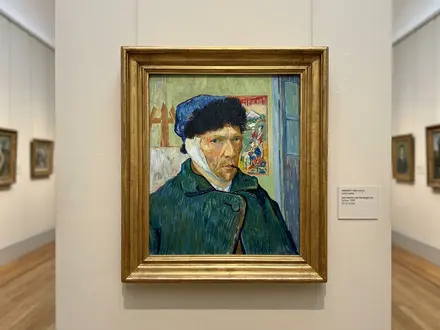
The Courtauld Gallery proves a small museum can outclass any rival. Inside Somerset House on the Strand, it holds one of the densest Impressionist and Post-Impressionist collections anywhere — Manet, Cezanne, Van Gogh and Renoir, all within arm's reach.
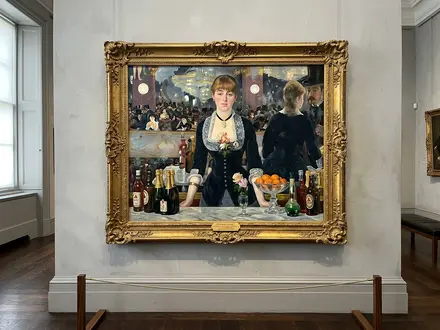
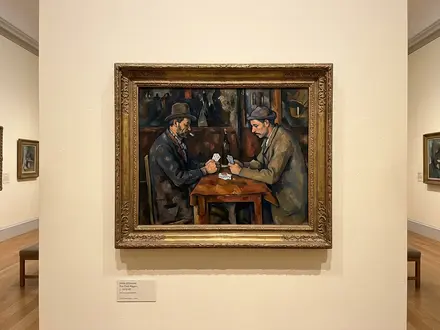
Samuel Courtauld assembled the collection in the 1920s, buying masterpieces that define entire movements. Manet's A Bar at the Folies-Bergere, Renoir's La Loge and Cezanne's Card Players all hang here. Renovated in 2021, the gallery feels as intimate as a private collection opened to the public.
Samuel Courtauld made his fortune in textiles, but his passion was French painting. In the 1920s, when Impressionism was still viewed with suspicion by the British art establishment, he began acquiring works of startling quality — Manet's A Bar at the Folies-Bergere, Renoir's La Loge, Cezanne's Montagne Sainte-Victoire — often at prices that now seem absurdly low.
He donated many of these works to the University of London in 1932 and helped establish the Courtauld Institute of Art to train the next generation of art historians. The gallery that bears his name opened in Somerset House in 1989 and has since grown through further bequests, including important collections of Old Masters, medieval ivories and twentieth-century British art.
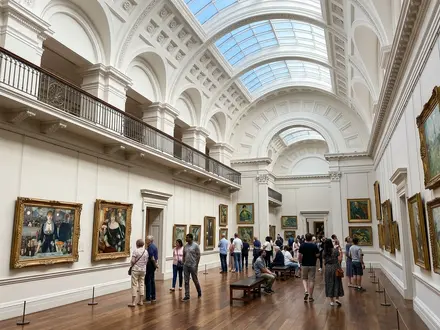
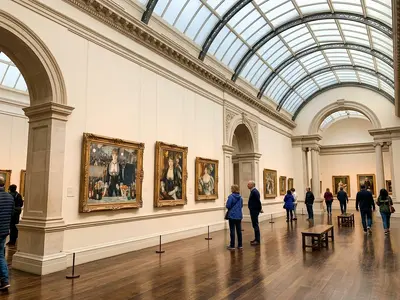
The galleries are arranged across the top floors of Somerset House's Strand Block, where tall windows and restored Georgian interiors create an unusually elegant setting. The experience is intimate — most rooms hold just a handful of paintings, so you can stand centimetres from a Cezanne without jostling for space.
The Impressionist and Post-Impressionist rooms are the main draw, but don't skip the earlier galleries. Cranach's Adam and Eve, Rubens' luminous landscapes and a group of Tiepolo oil sketches are all exceptional. A dedicated room of twentieth-century works includes pieces by Ben Nicholson, Graham Sutherland and Oskar Kokoschka.
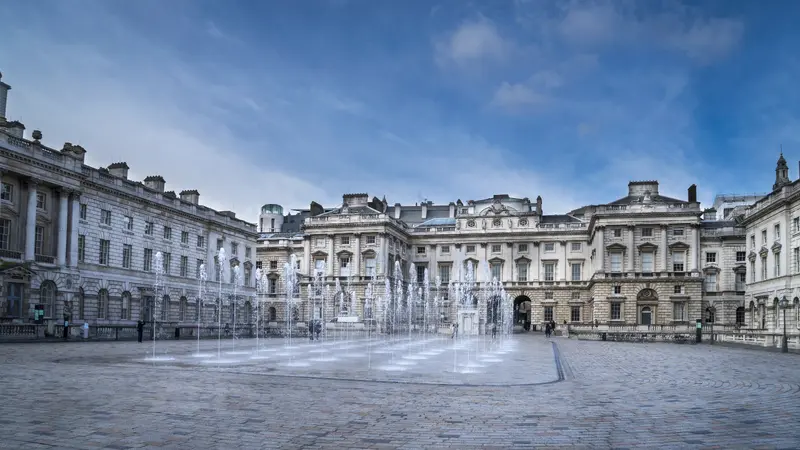
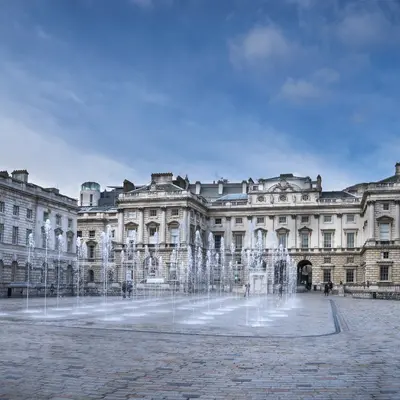
The gallery sits within one of London's grandest neoclassical buildings. Somerset House was designed by Sir William Chambers in 1776 and originally housed government offices, learned societies and the Royal Academy. Today its courtyard hosts dancing fountains in summer and an ice rink in winter.
After your visit, walk through the courtyard to the river terrace for views across the Thames to the South Bank. The building also houses a programme of temporary exhibitions, and the Courtauld Cafe on the ground floor is a pleasant spot for coffee before heading back to the Strand.
Included with London Pass
Included with London Pass — save up to 50% across 80+ London attractions.
Entry is free every Monday until 2pm and free at all times for under 18s and Art Fund members
General admission is free every Monday from 10am to 2pm. Arrive at opening to have the galleries almost to yourself — it's one of London's best free culture experiences.
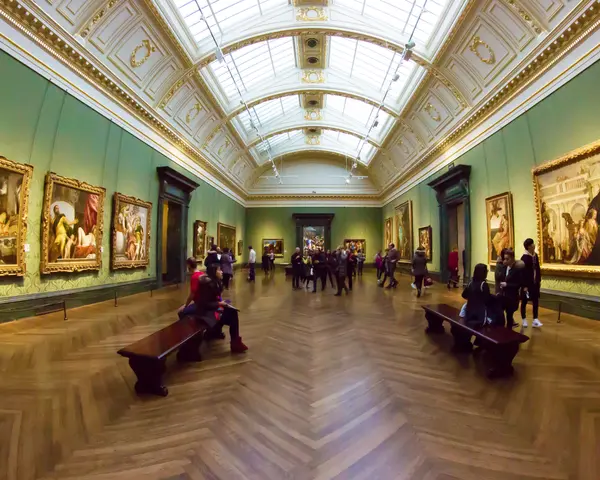
The top-floor room with the barrel-vaulted skylight is where the Royal Academy once held its exhibitions. Sit on one of the benches and let the natural light bring the paintings to life.
Allow time to explore the courtyard after your visit. In summer the fountains are beautiful; in winter the ice rink and Christmas programme are worth the detour.
Most visitors rush to the Impressionist rooms, but the Cranach, Rubens and Bruegel works in the earlier galleries are world-class and almost always empty.
The exit opens onto the Strand, and Waterloo Bridge is a three-minute walk east. The bridge offers one of the finest panoramic views of London — best at sunset.

London Travel Writer · 12+ years covering UK attractions and tourism
Last reviewed: March 6, 2026