A Highlights Visit
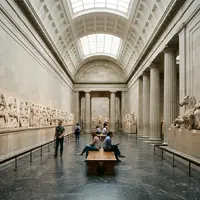
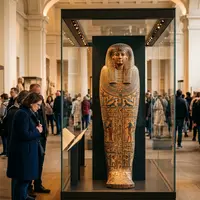
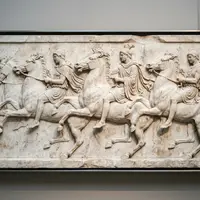
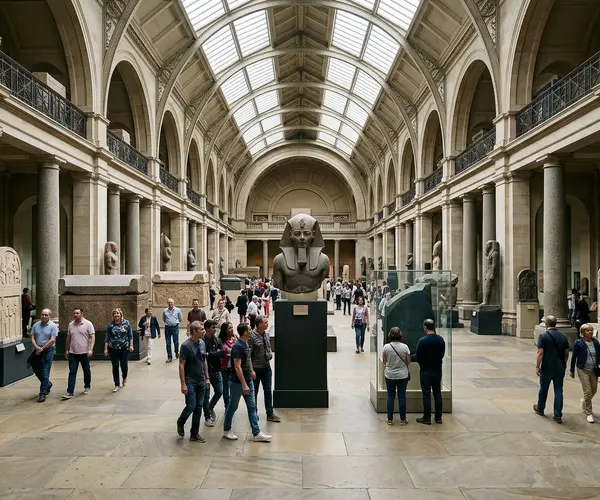
If your time is limited, a 2 to 3 hour visit to the British Museum will let you see the most famous objects and get a strong sense of the collection. A practical route might start in the Egyptian sculpture galleries on the ground floor, where you will find the Rosetta Stone in Room 4. From there, you can head upstairs to the Egyptian mummy rooms (Rooms 62 and 63), then back down to see the Parthenon sculptures in Room 18.
Adding the Sutton Hoo treasures in Room 41, the Lewis Chessmen in Room 40 and the Assyrian lion hunt reliefs in Room 10 rounds out a visit that covers some of the most significant objects in the building without feeling rushed.
A Full Day Visit
With a full day, you can take a more relaxed approach and explore galleries that many visitors overlook. The Enlightenment Gallery in Room 1, the museum's original display space, is a beautiful room that tells the story of how people in the 18th century understood the world. The African galleries, the Islamic world collection and the rooms dedicated to the Americas all reward time spent.
The King's Library on the ground floor and the Waddesdon Bequest in Room 2a are also worth seeking out. Taking breaks in the Great Court or the museum's cafes helps sustain energy for a longer visit.
Multiple Visits
Because admission is free, many people who live in or regularly visit London treat the museum as a place to return to rather than trying to see everything at once. Focusing on one section per visit, such as the Greek and Roman rooms or the Asian galleries, allows for a much deeper experience than racing through the entire building.
When to Go
The museum is busiest on weekends and during school holidays. Weekday mornings, particularly Tuesday through Thursday, tend to be quieter. The galleries closest to the main entrance and the Great Court get the heaviest foot traffic, while rooms further from the centre are often surprisingly empty.
Arriving when the museum opens gives you the best chance of seeing popular objects like the Rosetta Stone without crowds. Late afternoons can also be quieter as tour groups tend to leave earlier in the day.
Tips for Planning Your Time
Picking up a free map at the entrance is worthwhile, as the building is large and the layout can be confusing. The museum is arranged broadly by geography and time period, but the numbering of rooms does not always follow a logical sequence.
If you have a specific interest, checking the museum's website or app before your visit will help you locate the relevant galleries and plan an efficient route. Trying to see everything in a single visit is not realistic and usually leads to fatigue rather than enjoyment. A focused plan with a few clear priorities will make for a much better experience.