The Legend
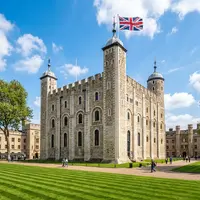
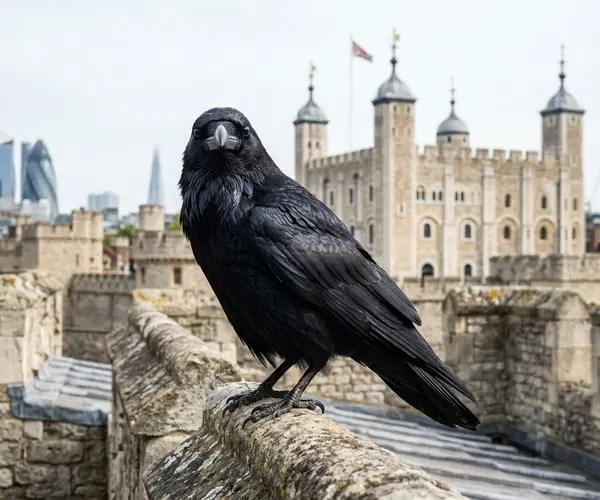
The superstition surrounding the ravens at the Tower of London is one of the most enduring pieces of British folklore. According to tradition, if the ravens ever leave the Tower, the White Tower will crumble and a great disaster will befall the kingdom. The legend is most commonly attributed to the reign of Charles II in the late 17th century, though the exact origins remain debated by historians.
One version of the story claims that the royal astronomer John Flamsteed complained to Charles II that the ravens were interfering with his observations from the White Tower. The king supposedly considered removing them, but was warned of the ancient prophecy and instead moved the observatory to Greenwich, where the Royal Observatory stands today.
How Much of It Is True
Historians have found little concrete evidence that ravens were kept at the Tower before the Victorian era. Some researchers believe the legend was a 19th century invention, possibly encouraged to attract visitors. Regardless of its origins, the tradition is now firmly established across a fortress nearly 1,000 years old.
The Royal Decree
A royal decree, traditionally attributed to Charles II, states that at least six ravens must be kept at the Tower of London at all times. In practice, the Tower usually keeps seven or eight birds to ensure numbers never drop below the required minimum. If a raven dies or goes missing, a replacement is sourced and introduced to the group.
The ravens are not caged. They roam freely across the Tower grounds during the day and are put into their enclosures at night for their own protection. To prevent them from flying away permanently, the flight feathers on one wing are trimmed. This does not hurt the birds but limits their ability to fly long distances. They can still flutter and hop considerable distances across the grounds.
The Ravenmaster
The Ravenmaster is the Yeoman Warder specifically assigned to care for the Tower ravens. It is one of the most unusual job titles in the British military, as all Yeoman Warders are retired senior non-commissioned officers from the Armed Forces.
The Ravenmaster's daily duties include preparing the ravens' food, which consists of raw meat, bird biscuits soaked in blood, and the occasional egg. Each raven has its own personality and dietary preferences, and the Ravenmaster must know them all intimately. The role also involves monitoring the birds for signs of illness, managing any behavioural issues between the ravens, and handling the considerable public interest in the birds.
Famous Ravenmasters
Chris Skaife, who served as Ravenmaster from 2011, became something of a celebrity in the role. He wrote a bestselling book about his experiences and maintained social media accounts for the ravens that attracted hundreds of thousands of followers. The position has helped raise the profile of the Tower's ravens from a quirky tradition to one of London's most talked-about attractions.
The Ravens by Name
Each raven at the Tower has a name, and visitors can often identify individual birds by coloured leg bands. Recent ravens have included Jubilee, Harris, Gripp, Rocky, Erin, Poppy and Georgie. Some ravens have become particularly famous. Merlina, who lived at the Tower from 2007 until her disappearance in early 2021, was widely regarded as the most characterful of the group and was known for wandering beyond the usual boundaries.
When a raven leaves or dies, the event is taken seriously. Merlina's disappearance prompted genuine concern, though the Tower was quick to reassure the public that numbers remained above the required six.
Wartime Ravens
During the Second World War, the raven population at the Tower dropped to just one bird, named Grip. The bombing during the Blitz and the general disruption of wartime made it difficult to maintain the flock. After the war, the numbers were rebuilt, and the tradition has been carefully maintained ever since. The wartime decline is sometimes cited as evidence that the legend should be taken with a grain of salt, given that the kingdom survived despite the near-total absence of ravens.