London Zoo
Over 400 species in 36 acres of Regent's Park, from Asiatic lions and gorillas to penguins and tropical butterflies
Over 400 species in 36 acres of Regent's Park, from Asiatic lions and gorillas to penguins and tropical butterflies
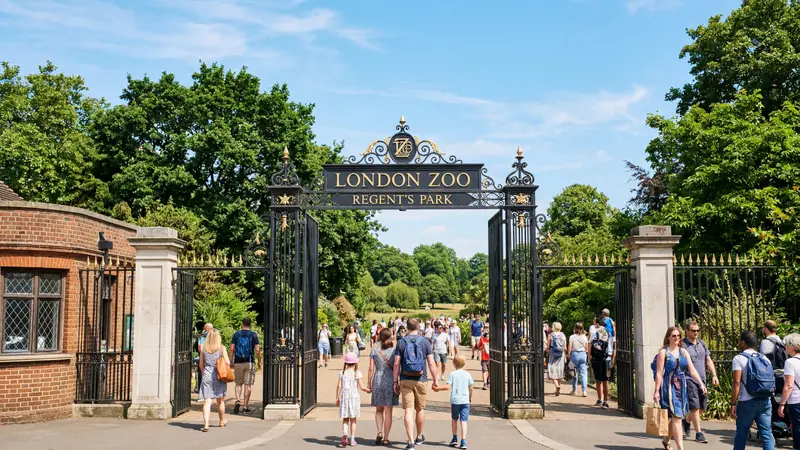
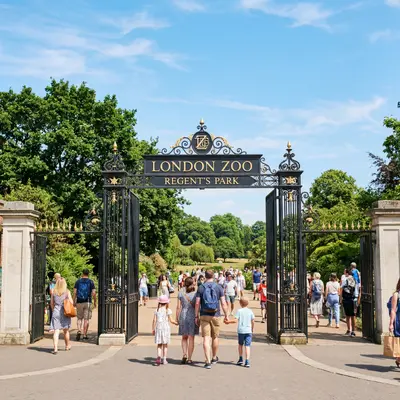
London Zoo opened its gates in 1828, making it the oldest scientific zoo in the world. Run by the Zoological Society of London, it holds over 14,000 animals from more than 400 species across 36 acres at the northern edge of Regent's Park.
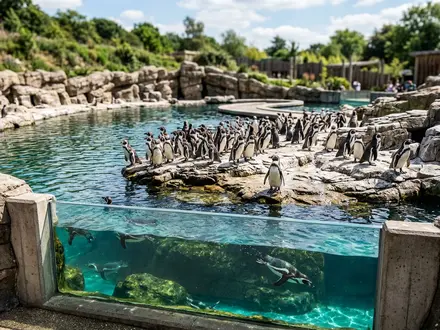
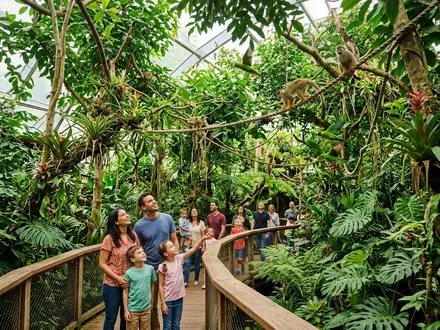
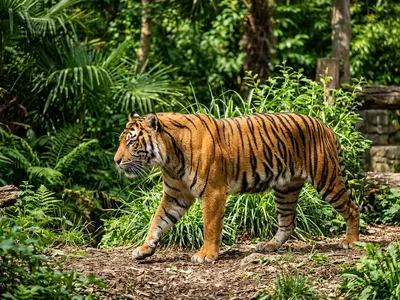
The layout mixes grand Victorian architecture with modern conservation habitats. You can walk through a tropical rainforest in the Rainforest Life building, come face to face with Sumatran tigers at Tiger Territory, and watch Humboldt penguins being fed at Penguin Beach. Feeding sessions and keeper talks run throughout the day and are included with admission.
The Zoological Society of London was founded in 1826 by Sir Stamford Raffles, and the zoo opened two years later as a collection for scientific study. It admitted paying visitors from 1847 and quickly became a fixture of London life. The word "zoo" itself was coined here, adapted from the locals' shortening of "zoological gardens."
Several of its buildings are architecturally significant. The Lubetkin Penguin Pool, built in 1934 with its twin interlocking concrete ramps, is Grade I listed. The Mappin Terraces from 1913, the Casson Pavilion, and the Snowdon Aviary designed by Lord Snowdon and Cedric Price all reflect the evolving ideas of animal enclosure design through the 20th century.
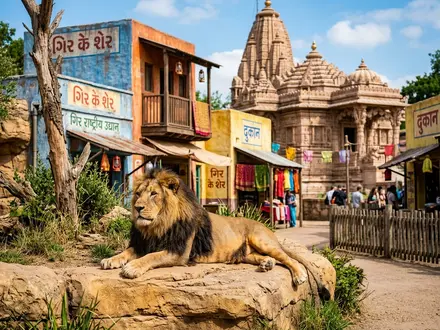
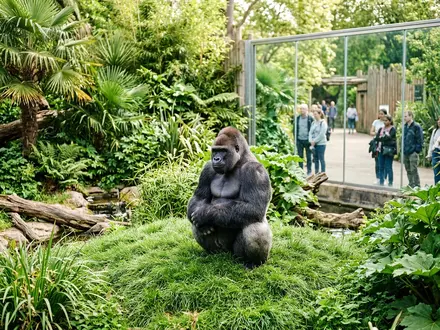
The zoo's collection spans everything from Asiatic lions and western lowland gorillas to Galapagos tortoises, Komodo dragons and hundreds of invertebrate species in the BUGS exhibit. Land of the Lions recreates an Indian town complete with a temple, rickshaw and painted shopfronts, with the lions visible from multiple vantage points around the streetscape.
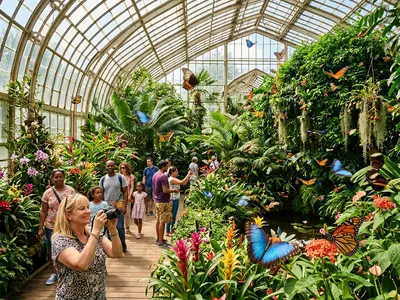
Keeper talks and feeding sessions run on a published timetable throughout the day. The Butterfly Paradise glasshouse lets you walk among free-flying tropical butterflies, and the children's zoo area allows direct contact with goats, llamas and other domestic animals.
The zoo sits at the northern tip of Regent's Park, so a visit pairs naturally with a walk through the park itself. The boating lake, Queen Mary's Gardens and the Open Air Theatre are all within a 15-minute stroll south. Camden Market and the Regent's Canal towpath are a 10-minute walk north, making it straightforward to fill a full day in the area.
Included with London Pass
Included with London Pass — save up to 50% across 80+ London attractions.
Prices vary by peak and off-peak dates. Booking online in advance saves up to £4 per ticket compared to the gate price.
Feeding sessions and keeper talks happen at set times throughout the day. Check the schedule board at the entrance or the zoo app when you arrive, and plan your route around the ones that interest you most.
Most visitors turn right towards the aquarium after entering. Head left to Land of the Lions first and you will have the habitat almost to yourself for the first 30 minutes.
The tropical glasshouse is at its liveliest in warm weather when the butterflies are most active. Wear bright colours and stand still near the flowering plants for the best chance of one landing on you.
The zoo is larger than it looks on the map. A thorough visit covering the main habitats, a couple of keeper talks and the children's area takes three to four hours comfortably.
Leave via the south exit and walk through the park to Baker Street or Regent's Park stations. The Broad Walk and Queen Mary's Gardens are a pleasant 15-minute stroll and free to enjoy.

London Travel Writer · 12+ years covering UK attractions and tourism
Last reviewed: March 6, 2026