The Collection
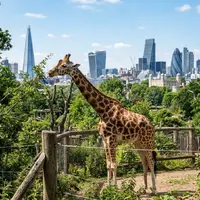
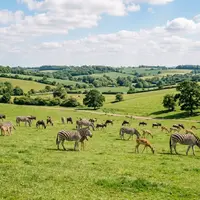
London Zoo holds over 14,000 individual animals drawn from more than 400 species. That number is not fixed. It fluctuates constantly as animals are born, transferred to other zoos through breeding programmes, or arrive from conservation projects around the world. The figure includes everything from large mammals like gorillas, tigers and giraffes down to insects, fish and amphibians that most visitors walk straight past.
The diversity of the collection reflects the zoo's dual purpose. It is both a public attraction and a serious scientific institution. The Zoological Society of London (ZSL), which runs the zoo, maintains the collection not just for display but for research, breeding and species conservation. Many of the animals at London Zoo are part of international breeding programmes coordinated across zoos worldwide.
Notable Species
The zoo is divided into themed zones, each focusing on different habitats and animal groups. Land of the Lions recreates an Indian village setting for its Asiatic lion pride. Tiger Territory houses Sumatran tigers, one of the most critically endangered big cat subspecies. Gorilla Kingdom is home to a family group of western lowland gorillas in one of the largest gorilla enclosures in the UK.
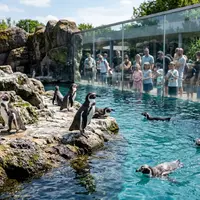
Penguin Beach houses a colony of Humboldt penguins in England's biggest penguin pool. The Reptile House, which famously appeared in the first Harry Potter film, contains crocodiles, lizards, snakes and turtles. Rainforest Life is an indoor walk-through exhibit where monkeys, sloths and birds move freely around visitors.
The Butterfly Paradise exhibit contains hundreds of free-flying butterflies in a tropical greenhouse, while the aquarium section holds freshwater and marine species. The invertebrate house, often overlooked by visitors, contains some of the zoo's most important conservation work, including breeding programmes for rare spiders, snails and beetles.
The World's Oldest Scientific Zoo
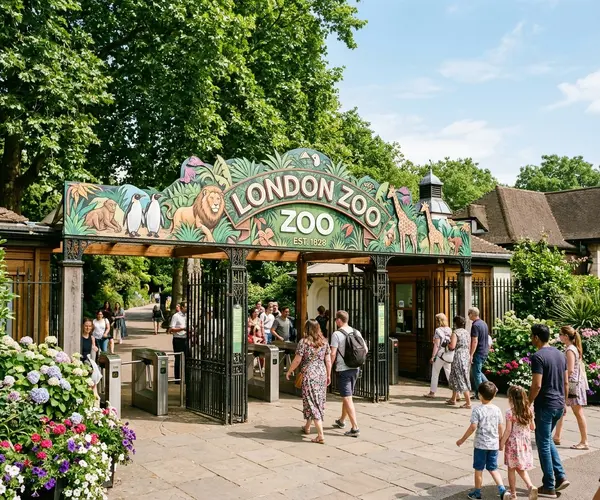
London Zoo was founded on 27 April 1828 by the Zoological Society of London, initially as a collection for scientific study rather than public entertainment. It was one of the first institutions in the world to approach animal keeping from a scientific perspective, and its founding marked a shift from the royal menageries and travelling shows that had previously been the only way to see exotic animals.
The zoo opened to the public in 1847 and has been a fixture of London life ever since. Over the decades it has been responsible for many firsts. It opened the world's first reptile house in 1849, the first public aquarium in 1853, and the first insect house in 1881. Many of the terms used in zoology today, including the word "zoo" itself, originated at London Zoo.
Conservation Work
The raw animal numbers only tell part of the story. Behind the scenes, ZSL runs conservation programmes in more than 50 countries, using the expertise and funding generated partly through the zoo's operations. London Zoo's breeding programmes have contributed to the recovery of several species, including the Partula snail, the Asiatic lion and the mountain chicken frog.
The zoo's annual stocktake, conducted every January, is a major event where keepers count and record every animal in the collection. The data feeds into an international database used to manage zoo populations globally. The count itself makes national news each year, with keepers photographing the process of counting penguins, meerkats and butterflies.
Size and Layout
Despite its large animal collection, London Zoo covers only 36 acres within Regent's Park. This makes it a compact, walkable attraction that can be covered in three to four hours. The relatively small footprint is both a strength and a limitation. It makes the zoo easy to navigate, but it also means that some of the larger animals have enclosures that feel modest compared to larger safari-style parks.