Morning Arrivals
The single best piece of advice for visiting London Zoo is to arrive when the gates open. The zoo typically opens at 10am, and the first hour is noticeably quieter than the rest of the day. With over 14,000 animals from more than 400 species, many are at their most active during morning feeding and enrichment routines, so you are more likely to see them moving, eating and interacting rather than sleeping in corners.
The big cats in Tiger Territory and Land of the Lions are particularly active in the morning. Keepers often schedule feeds and enrichment activities early in the day, and the cooler morning temperatures encourage more movement. By mid-afternoon, especially in summer, many larger animals retreat to shaded areas and become far less visible.
Gorilla Kingdom is another exhibit that benefits from an early visit. The gorilla family is typically active and visible in the morning, and the viewing area can become crowded later in the day. Getting there within the first hour gives you the best chance of an unobstructed view.
Seasonal Differences
Spring (March to May) is arguably the best season overall. The weather is mild enough for a comfortable day outdoors, many animals have young, and the gardens around the zoo are at their most attractive. Baby animals are a significant draw, and the zoo often announces new births through the spring months.
Autumn (September to October) offers similar advantages. The summer crowds have thinned, the weather is usually still pleasant, and animals become more active as temperatures drop. October half-term is an exception, as family visits spike during that week.
Summer (June to August) is the busiest period by far. School holidays bring the highest visitor numbers, particularly on sunny weekends. If you must visit in summer, aim for a weekday and arrive at opening. The zoo extends its hours during summer, sometimes staying open until 6pm, so late afternoon visits (after 3pm) can also be quieter as families with young children begin to leave.
Winter (November to February) is the quietest season. The zoo remains open year-round, and while some outdoor exhibits feel sparse when animals are kept indoors, the indoor spaces like Rainforest Life, the Reptile House and Butterfly Paradise are comfortable and uncrowded. Many animals are actually more active in cooler weather, and you can have entire exhibits almost to yourself on a grey Tuesday in January.
Feeding Times and Talks
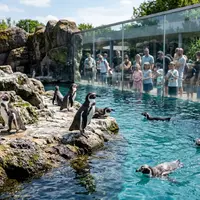
The zoo runs a daily schedule of keeper talks and feeding demonstrations at various exhibits. These are free with admission and are one of the best ways to see animals up close and learn about them. Penguin Beach, the gorillas and the big cats tend to draw the largest crowds for feeding times.
The schedule is posted on the zoo's website and at the entrance on the day. Planning your route around two or three key feeding times is a good strategy. Arrive at the exhibit five to ten minutes early to get a good viewing position, as popular feeds attract groups quickly.
School Holidays and Weekends
School holidays (February half-term, Easter, May half-term, summer holidays, October half-term and Christmas) are the busiest periods. Weekends year-round are busier than weekdays. If you have any flexibility at all, a Tuesday, Wednesday or Thursday outside school holidays will give you the most relaxed experience.
Bank holiday weekends are particularly crowded and best avoided if possible. The zoo does not operate a capacity limit on most days, so very busy periods can mean queueing at popular indoor exhibits and crowded viewing areas.
How Long to Allow
Most visitors spend between three and four hours at the zoo. If you arrive at opening and plan your route around feeding times, you can see all the major exhibits comfortably within that window. Allow longer if you want to watch animals at a leisurely pace or take breaks at the cafes.