The Conservation Case
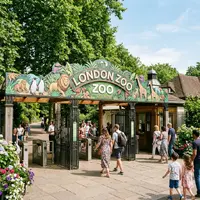
London Zoo is operated by the Zoological Society of London, a charity founded in 1826. ZSL is not a commercial entertainment company. Its stated mission is the worldwide conservation of animals and their habitats, and the zoo is one of its primary means of funding and delivering that work.
ZSL runs field conservation projects in more than 50 countries, working on everything from protecting pangolins in Asia to monitoring coral reefs in the Indian Ocean. The zoo itself participates in dozens of international breeding programmes for endangered species, including Sumatran tigers, Asiatic lions, western lowland gorillas and Humboldt penguins. Several of these programmes have produced offspring that have been reintroduced or used to strengthen wild populations.
The zoo also conducts significant scientific research. ZSL's Institute of Zoology, based at the zoo, publishes peer-reviewed research and provides expertise to governments and conservation organisations. The zoo's veterinary department treats animals from across the UK and contributes to wildlife disease monitoring.
The Criticism
The ethical concerns around London Zoo tend to focus on three areas. The first is space. At 36 acres, the zoo is compact by modern standards, and some enclosures for larger animals feel small. Critics argue that animals like gorillas, tigers and lions have natural home ranges of many square kilometres and cannot express natural behaviours in enclosures measured in hundreds of square metres.
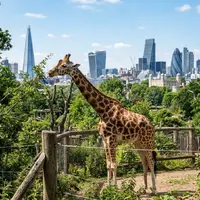
The second concern is the urban setting. Regent's Park is surrounded by roads, buildings and millions of people. Noise, vibration and the constant presence of visitors create an environment very different from any natural habitat. Some animal welfare advocates argue that this causes chronic stress for certain species, even if the animals appear outwardly calm.
The third is a philosophical objection to keeping any wild animals in captivity for human viewing, regardless of the conditions. This perspective holds that zoos are fundamentally about entertainment dressed up as education, and that conservation can and should be funded and conducted without confining animals in artificial settings.
How London Zoo Has Responded
The zoo has made significant changes over the past two decades in response to welfare concerns. It has moved its elephants to Whipsnade, where they have access to a much larger paddock. It has rebuilt several exhibits, including Penguin Beach and Tiger Territory, with larger spaces and more environmental enrichment. It has invested in indoor habitats like Rainforest Life, where smaller primates, sloths and birds move freely rather than being confined to cages.
The zoo has also been transparent about which species it can and cannot keep well in its London site. The decision to relocate the elephants in 2001 was an acknowledgement that the urban zoo could not provide adequate space for the world's largest land animal. The differences between London Zoo and Whipsnade illustrate how the two sites complement each other in serving different species. Similar decisions have been made about other species over the years, with animals being transferred to Whipsnade or other facilities where their needs can be better met.
The Middle Ground
Most informed observers land somewhere between the two poles. The conservation work funded and delivered by ZSL is genuinely valuable and has contributed to measurable outcomes for endangered species. The zoo educates millions of visitors, many of them children, and creates emotional connections with wildlife that can influence behaviour and support for conservation.
At the same time, it is reasonable to question whether every species currently at the zoo belongs in a 36-acre urban site. The zoo's own actions, particularly the elephant move, suggest that its leadership shares some of these concerns and is willing to make difficult decisions when animal welfare demands it.
Making Your Own Judgement
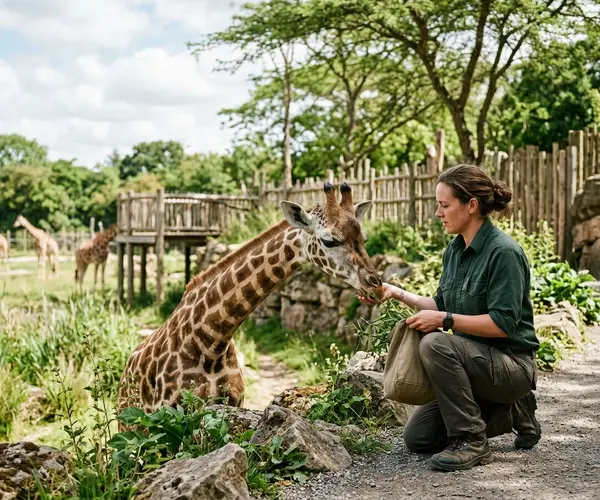
If you visit London Zoo, you can form your own view by watching the animals carefully. Look for signs of enrichment in enclosures, activity levels, and whether animals have space to retreat from public view. The zoo publishes information about its conservation projects and breeding programmes, which gives context for why specific species are kept in the collection.
The question of whether zoos are ethical is not one with a simple answer. London Zoo's case is stronger than many because of ZSL's genuine conservation mission and the tangible outcomes of its programmes. But the tension between conservation goals and the reality of keeping wild animals in central London is real and worth thinking about honestly.