Hever Castle
Anne Boleyn's moated childhood home in rural Kent — a 13th-century castle with award-winning gardens and Tudor history
Anne Boleyn's moated childhood home in rural Kent — a 13th-century castle with award-winning gardens and Tudor history
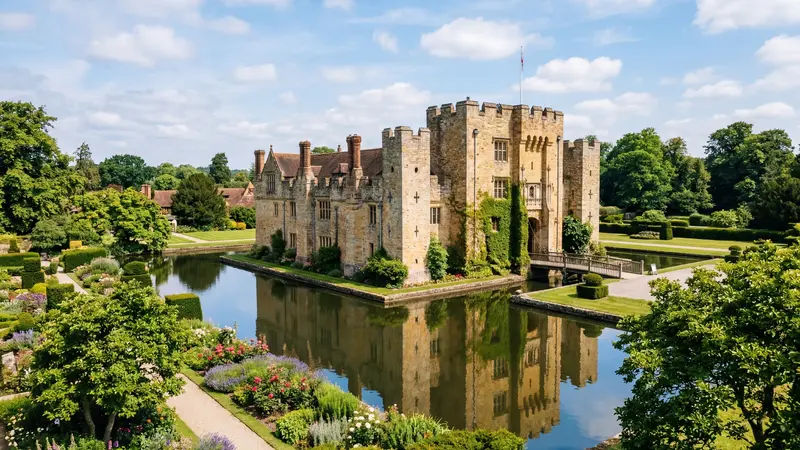
Hever Castle has stood in the Kent countryside since 1270, a double-moated manor house that became the childhood home of Anne Boleyn and the backdrop to one of the most dramatic chapters in English history. Henry VIII courted Anne here, setting in motion the break with Rome.
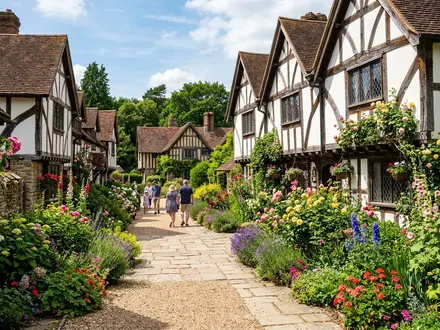
In 1903, American millionaire William Waldorf Astor bought the crumbling estate and lavished a fortune on its restoration. He added an entire Tudor village, planted 125 acres of spectacular gardens and filled the rooms with fine art and antiques. The result is one of the finest castle-and-garden combinations in southern England.
Hever Castle began life in 1270 as a fortified farmhouse, its gatehouse and walled bailey guarding a crossing of the River Eden. In 1462 the prosperous Bullen family — later Boleyn — acquired the estate, and Thomas Boleyn transformed it into a comfortable Tudor manor. It was here that his daughter Anne spent her childhood before catching the eye of Henry VIII.
Henry courted Anne at Hever through the 1520s, his obsession with her ultimately driving the English Reformation. When Anne was executed in 1536 and her father died three years later, the castle reverted to the Crown. Henry gave it to his fourth wife, Anne of Cleves, as part of their annulment settlement in 1540. After centuries of declining fortunes, the castle fell into disrepair.
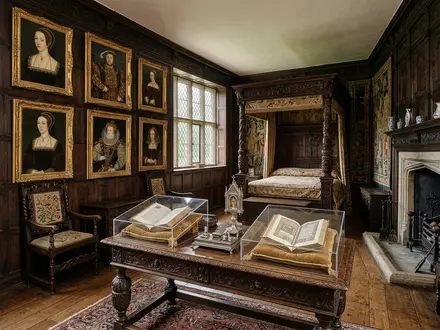
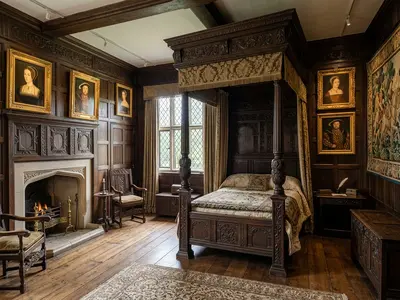
The castle interior spans three floors of Tudor and Edwardian rooms. Highlights include Anne Boleyn's bedroom, her inscribed Book of Hours, a collection of Tudor portraits rivalling any national gallery, and a panelled long gallery housing instruments of torture. The working portcullis at the gatehouse is the oldest original example in England.
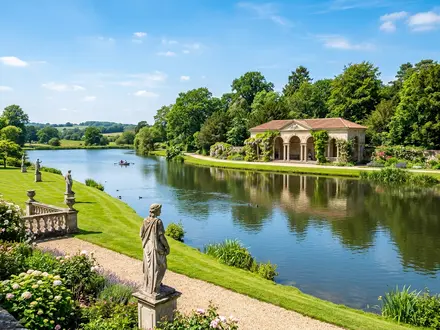
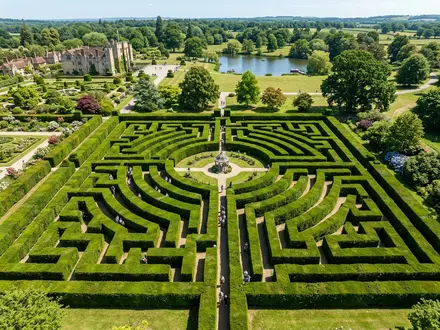
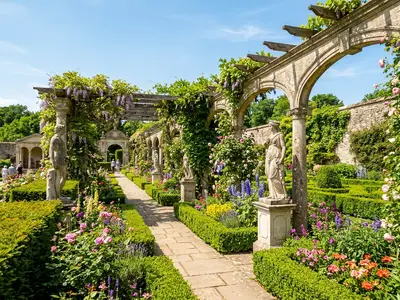
Outside, the gardens are the equal of the castle. The formal Italian Garden, enclosed by high walls, displays Astor's collection of classical statuary among pergolas and fountains. Beyond it stretches the 38-acre lake, created by hand between 1904 and 1908 when 800 workers diverted the River Eden. The yew maze, planted in the same era, remains beautifully maintained. For something livelier, the water maze sends wrong-footed visitors through surprise fountain jets. Rose gardens, herbaceous borders, topiary and a Sunday Walk through woodland complete the grounds.
Hever sits in deep rural Kent with no direct bus service. The most reliable public transport route is a train from London Bridge or Victoria to Edenbridge Town, then a short taxi ride. Drivers reach the castle in about an hour from London via the M25. Parking is free.
Allow a full half day — three hours is a comfortable minimum, but five is not unusual if you explore the gardens thoroughly and stop for lunch. The castle opens at noon, so arrive at 10:30 for the gardens and work inwards. A cafe in the Tudor village serves hot meals, and there are picnic areas beside the lake. The grounds are largely flat but gravel paths can be tricky for wheelchairs in wet weather.
Book online for discounted rates — on-the-day prices are higher. Family tickets available for 2 adults and up to 3 children
Gates open at 10:30 but the castle itself opens at noon. Use the morning to explore the gardens, maze and lake before heading inside when the doors open.
On-the-day prices are significantly higher than online rates. Book in advance on the Hever Castle website to save around 10% per ticket.
The gardens cover 125 acres with gravel paths and grassy areas. After rain, sections near the lake and woodland walks can be muddy — wellies or sturdy shoes are wise.
The water maze on its small island is a highlight for families. Wrong turns trigger fountain jets, so expect to get splashed — bring a change of clothes for little ones.
Churchill's home at Chartwell is 6 miles north, and Penshurst Place is 5 miles east. Either makes a fine pairing for a full day in the Kent countryside.

London Travel Writer · 12+ years covering UK attractions and tourism
Last reviewed: March 9, 2026