Cambridge University
Historic university city with 31 colleges, King's College Chapel, punting on the River Cam and the world-class Fitzwilliam Museum
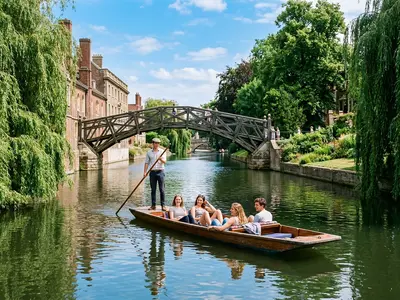
Historic university city with 31 colleges, King's College Chapel, punting on the River Cam and the world-class Fitzwilliam Museum
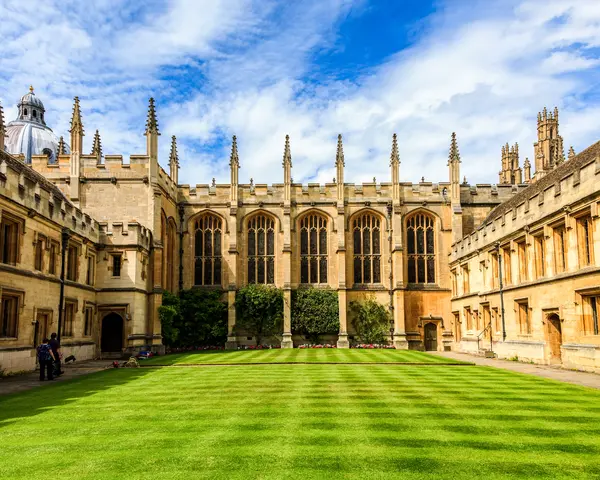
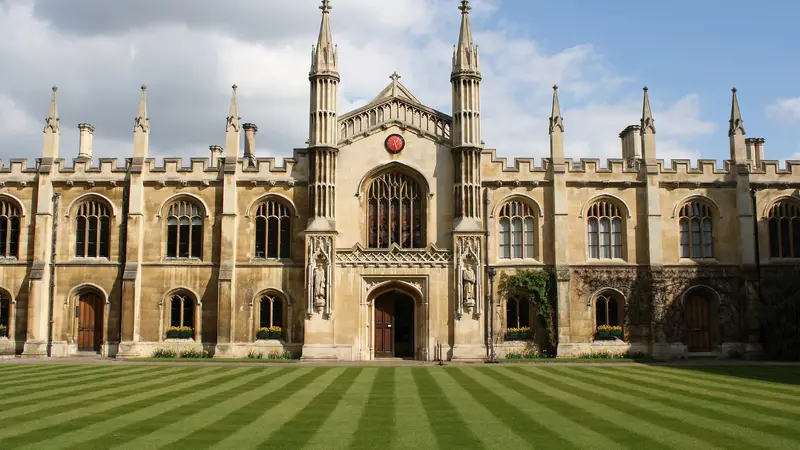
Cambridge has been a seat of learning since 1209. Its 31 colleges line a compact, pedestrianised city centre where medieval stonework, manicured lawns and the River Cam create a setting that feels more like a film set than a working campus.
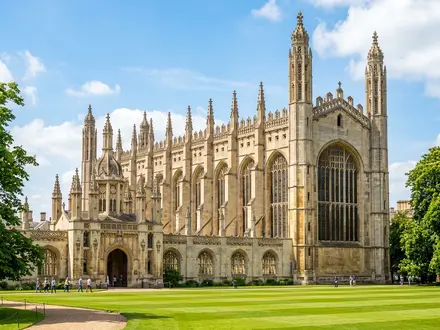
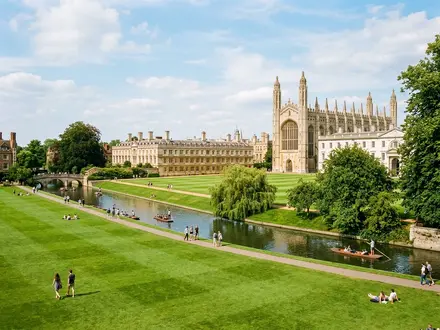
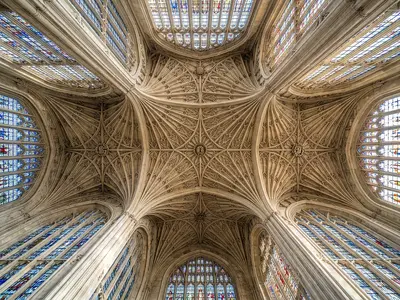
Under an hour from London by train, a day trip takes in the soaring fan vault of King's College Chapel, courtyards at Trinity and St John's, the Fitzwilliam Museum's collections, and a punt along The Backs where college gardens slope to the water.
Cambridge is not a single campus but a collection of 31 self-governing colleges spread across the city. Each has its own chapel, dining hall, library and courtyards, and many date back to the thirteenth and fourteenth centuries. The oldest, Peterhouse, was founded in 1284.
King's College and Trinity College are the most visited. King's has the famous chapel; Trinity has the Great Court, the Wren Library and Newton's apple tree. For a quieter experience, seek out smaller colleges like Corpus Christi, Emmanuel or Pembroke. St John's College is worth the entry fee for its Bridge of Sighs alone — a covered stone bridge modelled on its Venetian namesake.
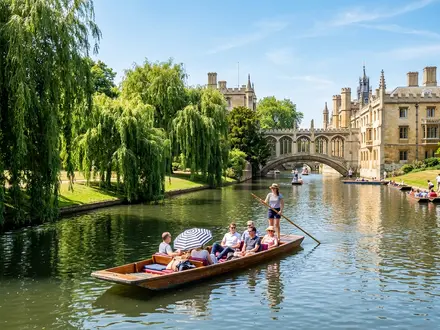
Punting is the quintessential Cambridge experience. Hire a flat-bottomed punt at Scudamore's near Mill Lane and pole your way along The Backs, where college gardens slope to the water's edge. First-timers should expect to zigzag, get wet and have a good laugh.
If punting feels too much like hard work, chauffeur-guided tours run regularly and last around 45 minutes, gliding under Clare Bridge, past the Wren Library and through the willow-fringed stretch behind King's. Away from the tourist route, the Cam north of Magdalene Bridge leads to Grantchester Meadows and the Orchard Tea Garden, serving cream teas under apple trees since 1897.
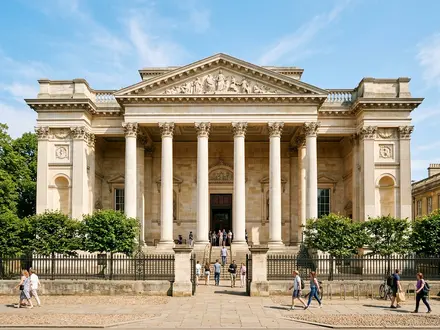
The Fitzwilliam Museum on Trumpington Street is Cambridge's answer to the National Gallery — a vast neoclassical building packed with Egyptian antiquities, Renaissance paintings, Impressionist works and a superb armour collection. It easily fills two hours.
The Sedgwick Museum of Earth Sciences and the Museum of Zoology are both excellent and rarely crowded. The Whipple Museum of the History of Science has a fascinating collection of early scientific instruments.
For a change of pace, Cambridge's covered market has traded since the Middle Ages and remains a good spot for lunch. The surrounding streets are full of independent bookshops, cafes and antique dealers — a pleasant contrast to the formal college atmosphere.
Many colleges are free to enter outside of peak season — King's, Trinity and St John's charge year-round
The direct service from King's Cross takes just 50 minutes and runs every half hour. Book in advance online for fares as low as £7–15 each way.
Most colleges close to visitors by early afternoon during term time for lectures and supervisions. Check individual college websites before you go.
Cambridge is flat and compact — cycling is the fastest way to cover the city. Hire bikes are available from shops near the station and on the high street.
The Eagle on Benet Street is where Crick and Watson announced the discovery of DNA. It serves decent pub food and has a ceiling scorched by RAF airmen during the Second World War.
The riverside walk to Grantchester takes about 45 minutes. The Orchard Tea Garden has been serving cream teas since 1897 and is the perfect end to a Cambridge day.

London Travel Writer · 12+ years covering UK attractions and tourism
Last reviewed: March 5, 2026