Tate Britain
The national gallery of British art, housing the world's greatest collection of works from 1500 to the present day
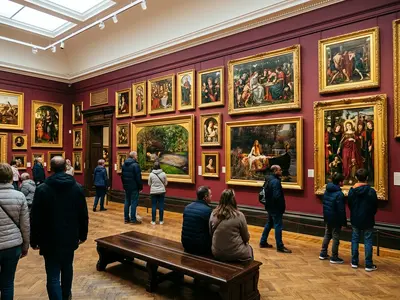
The national gallery of British art, housing the world's greatest collection of works from 1500 to the present day
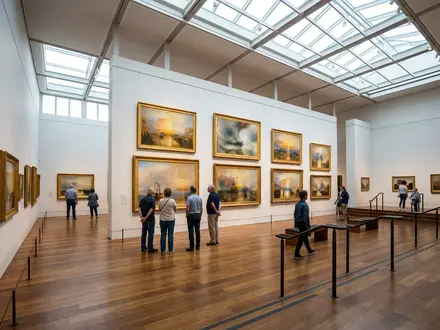
Tate Britain is the definitive home of British art, tracing five centuries of painting and sculpture from Tudor portraits to contemporary installations. Iconic works by Turner, Constable, Gainsborough, the Pre-Raphaelites, Francis Bacon and David Hockney line a grand riverside gallery on Millbank.
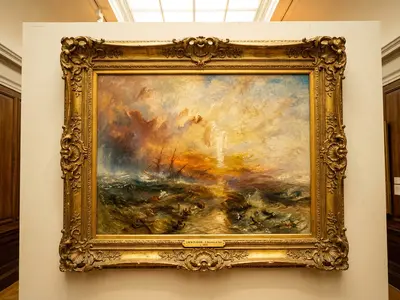
The Clore Gallery holds the largest collection of J.M.W. Turner's work anywhere in the world, bequeathed by the artist himself. Tate Britain is also home to the Turner Prize, the UK's most talked-about contemporary art award, exhibited here each autumn.
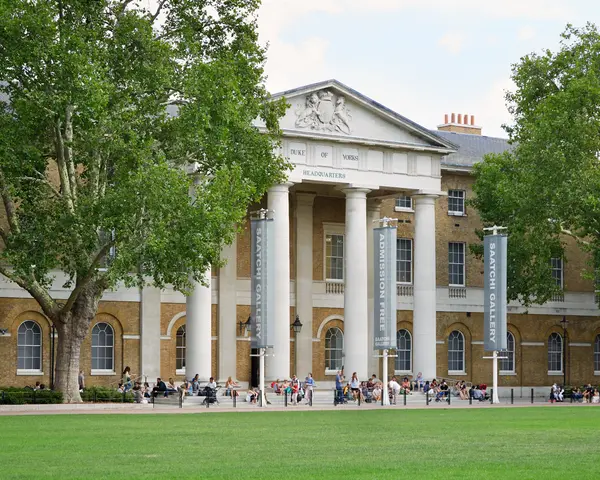
Tate Britain opened in 1897 as the National Gallery of British Art, funded by Sir Henry Tate, the industrialist who made his fortune refining sugar. The building was designed by Sidney R.J. Smith in a grand neoclassical style, erected on the Millbank site of a demolished prison. Over the following century, a series of extensions — including the Clore Gallery in 1987 and a major renovation completed in 2013 — expanded the gallery into the sprawling complex visitors see today.
The gallery's identity sharpened in 2000 when international modern art moved across the river to the new Tate Modern at Bankside. Tate Britain refocused entirely on British art from the Tudors onward, giving the national collection the space and attention it deserved.
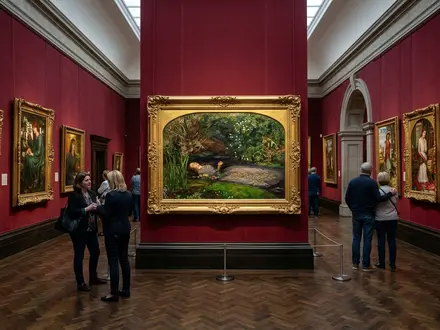
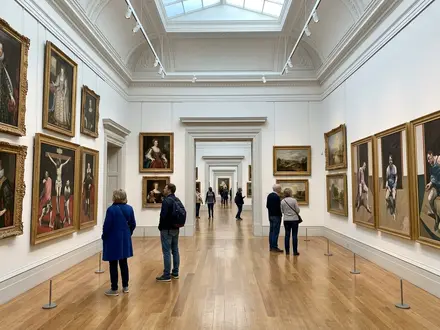
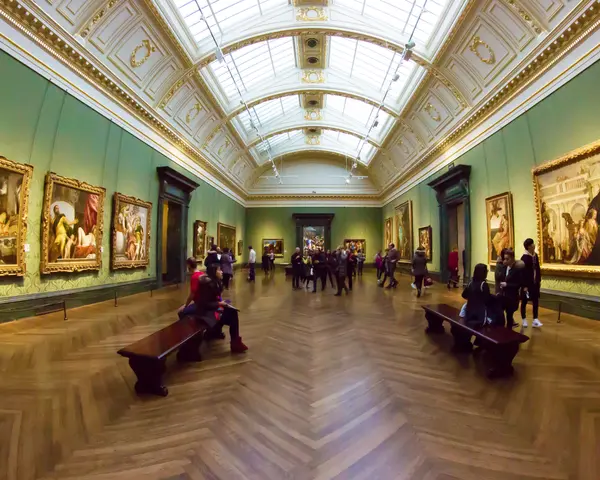
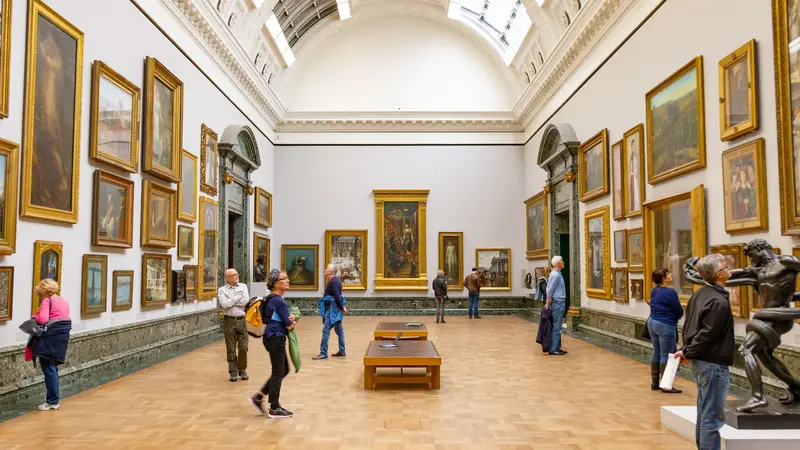
The permanent display, titled Walk Through British Art, runs chronologically from 1500 to the present. Early rooms feature Elizabethan portraiture and the formal landscapes of Gainsborough and Constable. The Victorian galleries are a highlight, with the Pre-Raphaelite Brotherhood represented in depth — Millais's Ophelia and Waterhouse's The Lady of Shalott draw steady crowds.
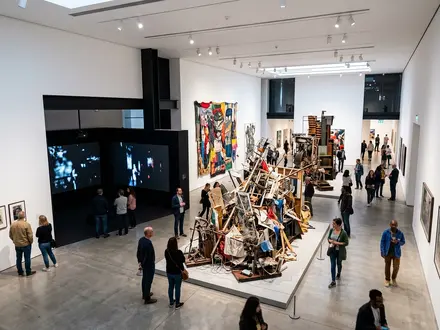
The twentieth-century rooms chart the shift from the Bloomsbury Group through wartime art to the School of London painters, with major works by Francis Bacon, Lucian Freud, and David Hockney. Contemporary galleries rotate frequently, showcasing recent acquisitions and commissions. The Clore Gallery, entered through its own foyer, is devoted entirely to J.M.W. Turner's bequest — an unmissable collection of luminous seascapes and experimental colour studies.
Tate Britain hosts Late at Tate Britain events on select Friday evenings, offering after-hours access with live music, talks, and workshops. These events are free and attract a younger crowd looking for something beyond a standard gallery visit.
The annual Turner Prize exhibition runs from October to January and is the centrepiece of the gallery's events programme. Temporary exhibitions throughout the year spotlight individual British artists or thematic surveys. Check the website before visiting, as blockbuster shows can sell out.
Under 12s free for all exhibitions when accompanied by an adult
Head straight to the Turner collection first — the light-filled rooms are at their best in the morning before crowds build.
The river bus to Tate Modern takes 18 minutes and gives you great views of the South Bank. Travelcard holders get a third off the fare.
The basement restaurant features a remarkable 1927 mural and serves a proper lunch. Book ahead as tables fill quickly.
Late at Tate Britain runs on select Friday evenings with free entry, live music, and a bar — a great alternative to a conventional night out.
The main Millbank entrance has step-free access and is closest to Pimlico station. The side entrance on Atterbury Street is often quieter.

London Travel Writer · 12+ years covering UK attractions and tourism
Last reviewed: March 5, 2026