Britain's Most Talked-About Art Prize
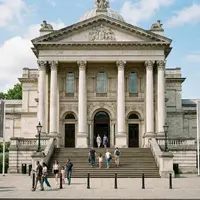
The Turner Prize has been at the centre of Britain's contemporary art conversation since it was first awarded in 1984. Hosted at Tate Britain, the prize was established to promote public discussion about new developments in contemporary art. In this respect, it has been extraordinarily successful. Each year, the shortlist and eventual winner generate extensive media coverage and public debate, much of it passionate and not always favourable.
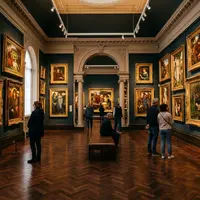
The prize is named after JMW Turner, the 19th-century painter whose work fills the Clore Gallery at Tate Britain. Turner was himself a controversial figure in his time, pushing the boundaries of what painting could be, and the prize bearing his name has continued in that spirit of creative provocation.
How It Works
Each year, a jury of art world figures selects four artists for the Turner Prize shortlist. The shortlisted artists must be British (born in Britain, or based in and closely associated with the country) and under the age of 50. They are nominated on the basis of an outstanding exhibition or other presentation of their work during the previous 12 months.
The four shortlisted artists are each given a room at Tate Britain to present their work, and the resulting exhibition runs for several months before the winner is announced at a televised ceremony in December. The winner receives 25,000 pounds, while each of the other shortlisted artists receives 10,000 pounds.
Famous and Controversial Winners
The Turner Prize has produced some of the most talked-about moments in British art. In 1995, Damien Hirst won for work that included Mother and Child Divided, a cow and calf bisected and preserved in formaldehyde. The work divided opinion sharply and became a lightning rod for debates about what constitutes art.
In 1999, Tracey Emin was shortlisted for My Bed, an installation featuring her own unmade bed surrounded by personal detritus. While Emin did not win that year, the work became one of the most discussed artworks of the decade. Grayson Perry won in 2003 for his ceramic vases, which he collected wearing one of his flamboyant dresses, bringing an engaging personality to the often austere art world.
Other notable winners include Anish Kapoor (1991), Rachel Whiteread (1993), Steve McQueen (1999), Keith Tyson (2002) and Lubaina Himid (2017), who at 63 won after the age limit was removed for the first time.
Controversy and Criticism
The Turner Prize has attracted consistent criticism throughout its history. Some commentators argue that the prize rewards conceptual gimmicks over genuine artistic skill. Others feel it is too focused on the London gallery scene and does not adequately represent the diversity of contemporary art practice across the country.
In 2019, all four shortlisted artists asked to be considered as a collective rather than as individuals, sharing the prize in a gesture of solidarity. This decision itself became the subject of debate, with some praising the artists' generosity and others questioning whether a shared prize undermined the purpose of the award.
The Exhibition
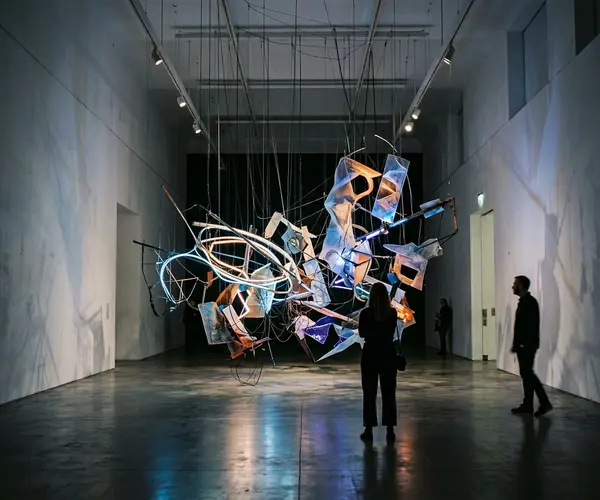
Regardless of one's views on the merits of individual winners, the Turner Prize exhibition at Tate Britain is consistently one of the most visited contemporary art shows in the country. The exhibition gives visitors the opportunity to see new work by four significant artists and to form their own opinions before the jury announces its decision.
The show is usually free to visit, in keeping with Tate Britain's commitment to free access to its collection. For visitors who are curious about contemporary art but unsure where to start, the Turner Prize exhibition provides a focused and accessible entry point into what is happening in British art right now.