Bath
Georgian spa city and UNESCO World Heritage Site with Roman Baths, Bath Abbey and elegant honey-stone architecture
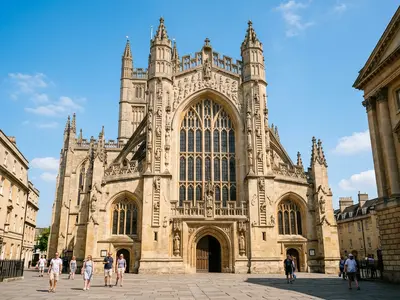
Georgian spa city and UNESCO World Heritage Site with Roman Baths, Bath Abbey and elegant honey-stone architecture
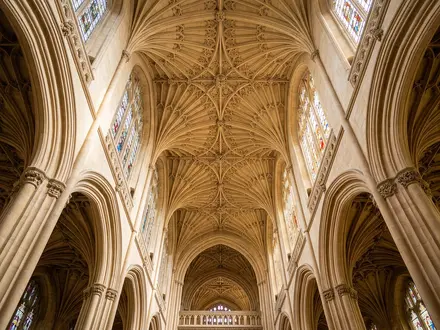
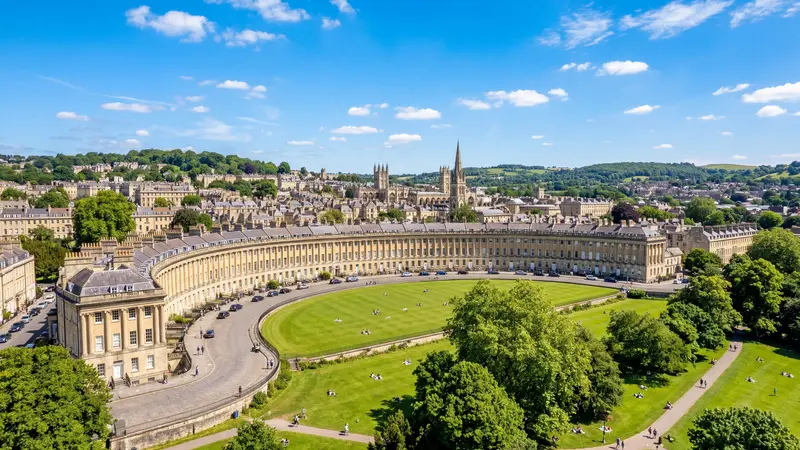
Bath is the only entire city in England with UNESCO World Heritage status, recognised for its Roman remains, Georgian townscape and natural hot springs. Built from local honey-coloured limestone, the city's crescents, terraces and squares form one of the finest urban landscapes in Europe.
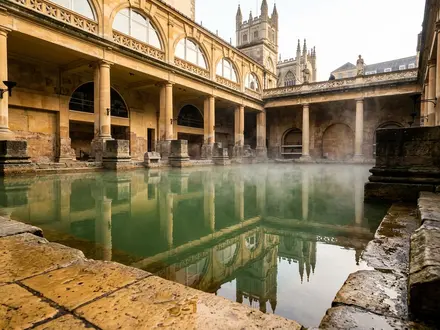
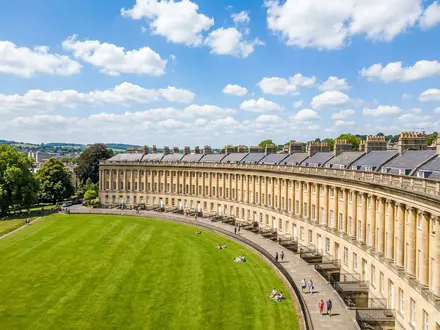
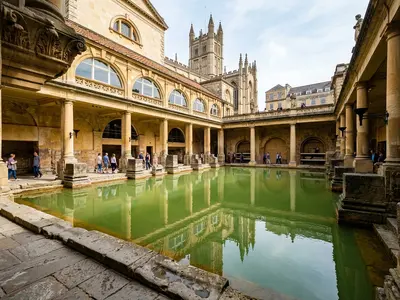
The Roman Baths sit at the heart of the city, fed by water that rises at 46 degrees Celsius from a spring first tapped nearly 2,000 years ago. Above ground, the Georgian architecture of the Royal Crescent and the Circus rivals anything in London for elegance.
The Romans built a temple and bathing complex here around 60 AD, drawn by the only naturally hot springs in Britain. The site remained in use for over 300 years before falling into ruin after the Roman withdrawal. Medieval Bath grew around the abbey, but it was the 18th century that transformed the city. Architects John Wood the Elder and his son John Wood the Younger designed the Circus, the Royal Crescent and the Assembly Rooms, turning Bath into the most fashionable resort in Georgian England.
The arrival of the Great Western Railway in 1841 made Bath easily accessible from London and ended its reliance on coach travel. By then the city's heyday as a social destination had passed, but its architecture survived largely intact. UNESCO inscribed the entire city as a World Heritage Site in 1987, recognising its unique combination of Roman, medieval and Georgian heritage.
The Roman Baths are the main draw. The museum complex extends below the modern street, revealing the original Roman structure around the Great Bath, heated chambers, plunge pools and an overflow drain that has worked continuously for almost 2,000 years. An audio guide narrated by Bill Bryson adds context.
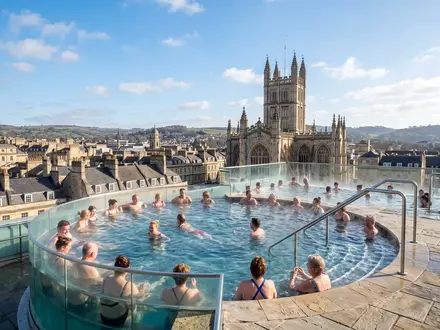
Above ground, walk from the Abbey to the Royal Crescent via the Circus, pausing at the Pump Room for a cup of Bath water from the fountain. No. 1 Royal Crescent is a museum furnished as a Georgian townhouse. The Jane Austen Centre on Gay Street explores the author's time in the city. For a more physical experience, Thermae Bath Spa offers bathing in the same mineral water the Romans used, with a rooftop pool overlooking the abbey.
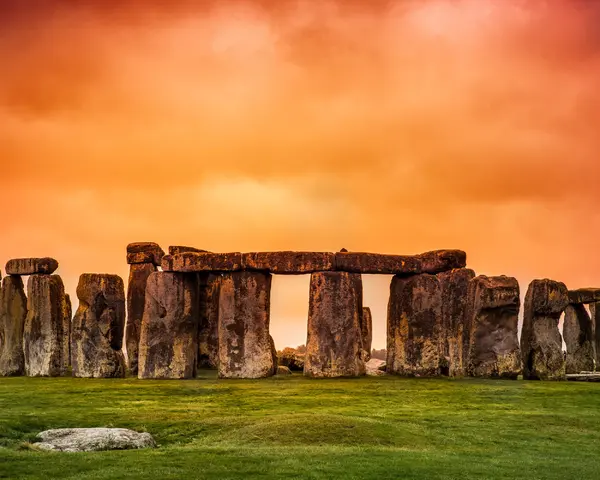
Bath pairs naturally with Stonehenge, 30 miles to the east on Salisbury Plain. Many coach operators offer combined day tours covering both sites. Bristol, 12 miles west, adds a different dimension with Brunel's SS Great Britain and a thriving street food scene. If driving, the Cotswolds begin just north of Bath, with villages like Castle Combe and Lacock within 20 minutes.
Advance online tickets are £2 cheaper than on-the-day prices. Weekend and bank holiday admission costs more than weekdays.
Tickets often sell out during summer and school holidays. Booking online at least 24 hours ahead secures your time slot and saves £2 compared to on-the-day prices.
The last entry slot is usually the quietest. Late afternoon light catches the steam rising from the Great Bath, which is particularly striking in winter when the temperature contrast is greatest.
The walk from the Abbey through Queen Square to the Circus and on to the Royal Crescent takes about 20 minutes and passes through the finest concentration of Georgian architecture in the country.
Bath Spa station is a 10-minute walk from the Roman Baths. Driving into the city is slow, parking is expensive, and Bath has a Clean Air Zone that charges some vehicles. The train is faster and more straightforward.
If you want to bathe in the hot springs yourself, book a session at Thermae Bath Spa. The rooftop pool with views over the city is the highlight. Evening sessions are less crowded than daytime.

London Travel Writer · 12+ years covering UK attractions and tourism
Last reviewed: March 5, 2026