Why You Cannot Swim in the Roman Baths
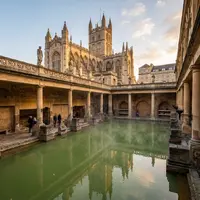
The ancient Roman Baths in Bath are a museum and heritage site, not a working spa. The water in the Great Bath is untreated and open to the elements, which means it contains bacteria that make it unsafe for bathing. A schoolgirl who swallowed some of the water in 1978 contracted meningitis, and swimming has been prohibited ever since. Visitors can look at the water and even touch it in certain areas, but getting in is strictly forbidden.
The water itself is still flowing, rising from the same hot springs that have been active for thousands of years. It arrives at a scorching 46 degrees Celsius before cooling in the open-air pool. The green colour comes from algae that thrive in the warm, mineral-rich water.
Thermae Bath Spa
If you want to experience bathing in Bath's natural thermal water, Thermae Bath Spa is the place to go. Opened in 2006, it is the only facility in Britain where you can bathe in naturally heated spring water. The spa sits just a short walk from the Roman Baths and draws its water from the same ancient springs.
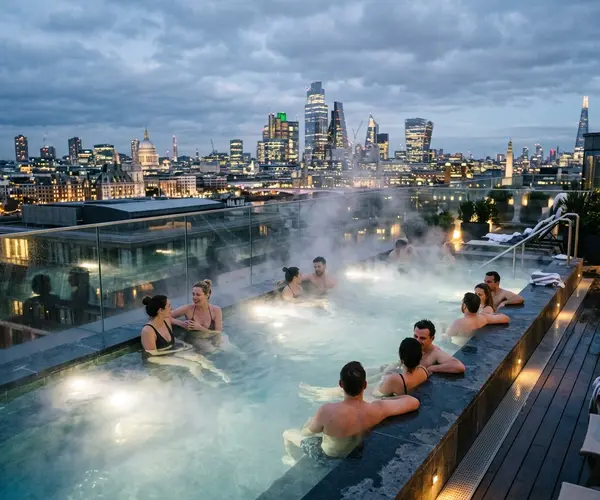
The highlight is the open-air rooftop pool, which offers panoramic views of Bath Abbey, the surrounding Georgian architecture and the hills beyond. Floating in warm water while looking out across the city skyline is one of the most memorable experiences Bath has to offer, particularly at dusk when the city lights begin to appear.
What Thermae Bath Spa Offers
The spa has several bathing areas beyond the rooftop pool. The Minerva Bath is the main indoor pool, a large curved space filled with naturally warm water. There are also steam rooms infused with different scents, and an ice chamber for those who enjoy contrast therapy.
Sessions are sold in time slots, typically two hours or four hours. The two-hour session gives you enough time to enjoy the rooftop pool, the Minerva Bath and the steam rooms at a relaxed pace. Towels and robes can be hired, and there is a cafe on site.
The Cross Bath
Adjacent to the main Thermae Bath Spa building is the Cross Bath, a smaller open-air pool that can be booked for private or smaller group sessions. This intimate oval pool sits on the site of one of Bath's three original hot springs and has been used for bathing since at least the 12th century. It is a quieter alternative to the main spa and is sometimes available when the main building is fully booked.
A City Built on Hot Water
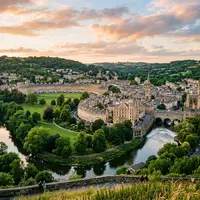
Bath's entire identity is shaped by its thermal springs. The Celts considered them sacred, the Romans built an elaborate temple complex around them, the medieval church claimed healing powers for the water, and the Georgians turned the city into a fashionable spa resort. Thermae Bath Spa continues that tradition, giving modern visitors the chance to do what people have been doing here for thousands of years.
The combination of visiting the Roman Baths as a museum and then bathing at Thermae Bath Spa makes for a satisfying day that connects the ancient history of the springs with a present-day experience of their water. Our guide on how long you need in Bath covers how to fit both into a day trip.