Royal Engineers Museum
Military museum in Gillingham housing over a million objects — from Wellington's Waterloo map to 25 Victoria Crosses
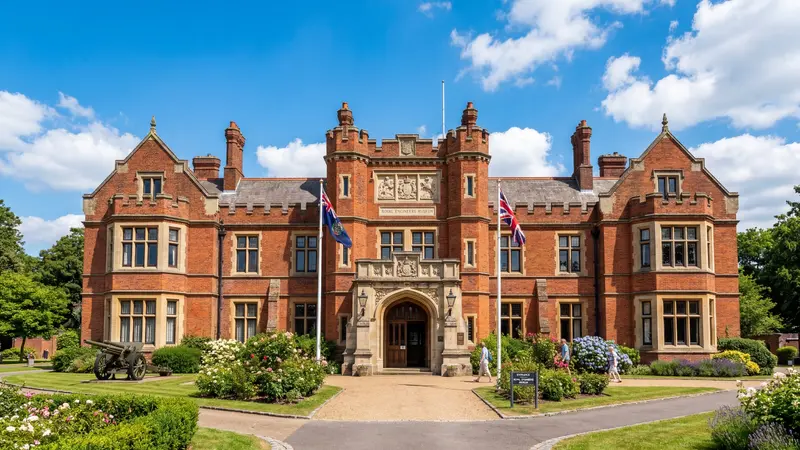


Military museum in Gillingham housing over a million objects — from Wellington's Waterloo map to 25 Victoria Crosses
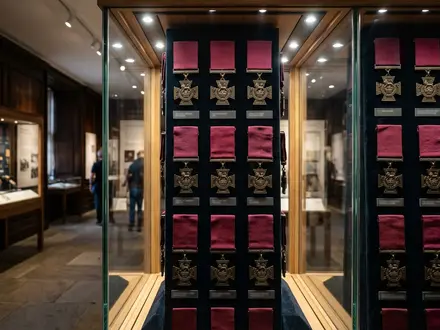
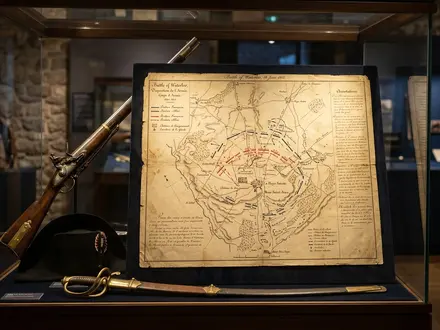
Twenty-five Victoria Crosses sit in a single gallery, the largest collection held by any corps museum in Britain. The Royal Engineers Museum in Gillingham tells the 300-year story of military engineering through over a million objects, from a Harrier jump jet to the map Wellington used at Waterloo.
Galleries cover everything from Roman fortification to modern bomb disposal, with hands-on exhibits, a reconstructed First World War trench and relics from some of the most famous campaigns in British military history. It is a museum that rewards curiosity, whether your interest is medals, bridges or battlefield photography.
The Royal Engineers have been building, bridging and demolishing since 1716, and their museum in Gillingham has been collecting the evidence since it first opened in 1875. That makes it one of the oldest corps museums in the British Army. The current building on Prince Arthur Road sits within the Brompton Barracks complex, where Royal Engineers have trained for over two centuries.
The collection grew steadily through donations from serving and retired officers, and today numbers over a million objects — medals, weapons, maps, photographs, uniforms, vehicles and engineering models. A major refurbishment in the early 2000s added modern galleries, interactive displays and improved access, transforming a traditional regimental collection into a museum that appeals well beyond military enthusiasts.
The medal gallery is the obvious starting point. Twenty-five Victoria Crosses tell individual stories of extraordinary courage, from the Crimean War to the Second World War. Nearby, Wellington's Waterloo map and Lieutenant Chard's weapons from the defence of Rorke's Drift rank among the most important single objects in any British military collection.
The main hall houses the largest exhibits — a Harrier GR3, a V-2 rocket, bridge-laying tanks and the Brennan torpedo, the world's first practical wire-guided weapon. Upstairs, galleries follow the Corps through two World Wars, with a reconstructed trench section that includes tunnelling equipment used by the sappers who dug beneath the Western Front. General Gordon's Chinese embroideries and the finial from the Mahdi's tomb add unexpected colour to what might otherwise be a purely technical story.
The Historic Dockyard Chatham is less than two miles away and makes a natural companion visit — together, the two sites can fill a full day. Rochester Castle and Rochester Cathedral are a short drive or bus ride further along the Medway, and the area around Chatham High Street has a growing number of independent cafes and restaurants.
The museum has a small cafe serving hot drinks, sandwiches and cakes. A large free car park makes driving the easiest option, though the walk from Gillingham station through the High Street is straightforward and well signposted. Last entry is at 4pm, so arrive by early afternoon if you want to see everything without rushing.
Under 5s and carers for disabled visitors enter free. Tickets are valid for 12 months and include all events.
Last entry is 4pm and the museum closes at 5pm. The collection is large enough that two hours feels tight — arrive by 2pm at the latest to see everything comfortably.
Chatham Historic Dockyard is less than two miles away. Buy tickets for both and make a full day of military and maritime heritage in the Medway towns.
Your ticket is valid for 12 months and includes all events. The museum runs re-enactment weekends, vehicle displays and family workshops throughout the year.
The on-site car park is free and has space for coaches and minibuses. Driving is the easiest option, especially if combining with other Medway attractions.
The museum covers two floors with large vehicle halls and outdoor exhibits. The reconstructed trench section involves uneven surfaces and a couple of steps.

London Travel Writer · 12+ years covering UK attractions and tourism
Last reviewed: March 9, 2026