The Postal Museum
Five centuries of postal history brought to life — ride the hidden Mail Rail tunnels 70 feet beneath London's streets
Five centuries of postal history brought to life — ride the hidden Mail Rail tunnels 70 feet beneath London's streets
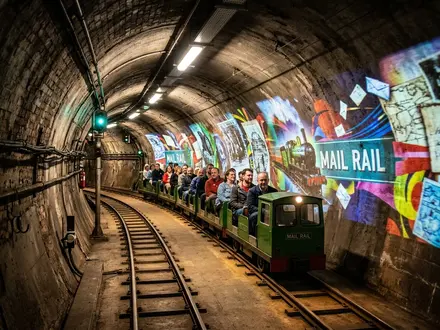
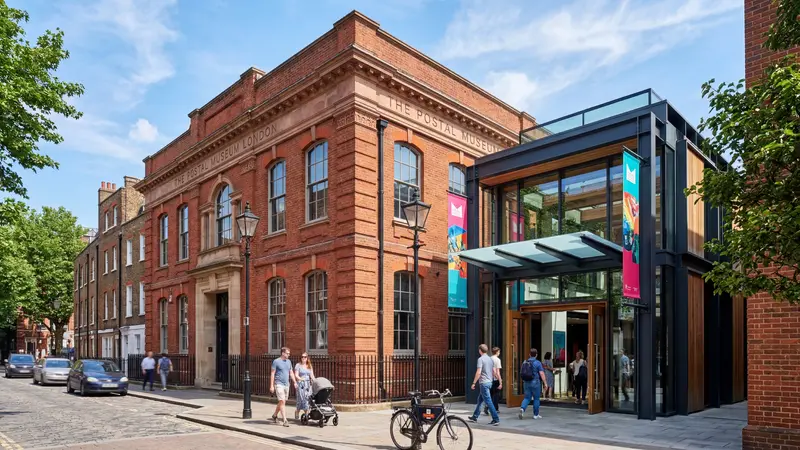
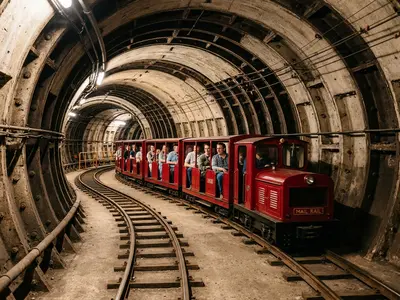
Beneath the streets of Clerkenwell lies a secret railway that carried four million letters a day for 76 years. The Postal Museum opened in 2017 around this engineering marvel, letting visitors ride miniature trains through the original tunnels of the world's first driverless electric railway.
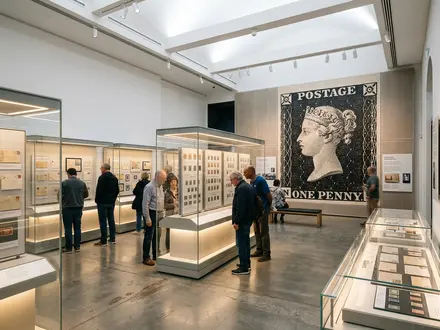
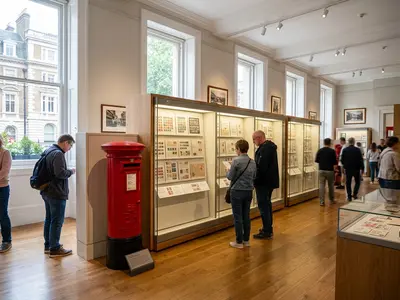
Above ground, five centuries of communication history unfold across interactive galleries. From the Penny Black to wartime propaganda, the collection spans over 400 years of innovation, scandal and social change that shaped how Britain talks to itself.
The story of Britain's postal service begins in 1516 when Henry VIII appointed a Master of the Posts to manage royal communications. By 1635 Charles I had opened the system to public use, and the modern postal network was born. The introduction of the Penny Black in 1840 transformed letter-writing from an expensive luxury into something any worker could afford, triggering a revolution in literacy and social connection.
By the early 20th century, London's streets were so congested that mail deliveries were falling behind schedule. In 1927 the Post Office opened its own underground railway — a 6.5-mile network of narrow-gauge tunnels running from Paddington to Whitechapel. Driverless electric trains carried sacks of mail beneath the traffic at speeds of up to 35 miles per hour, operating 22 hours a day with just a two-hour window for maintenance.
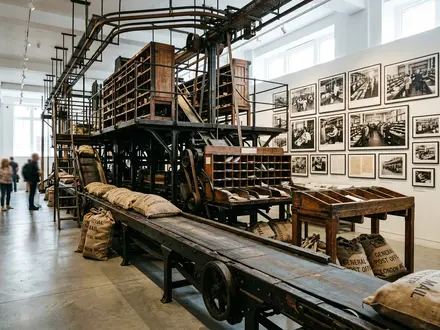
The museum splits into two distinct experiences. Above ground, the postal galleries trace communication history through original artefacts, interactive displays and archive film. Standout objects include the Penny Black printing plate, a Victorian mail coach, propaganda posters and uniforms spanning two centuries. Temporary exhibitions rotate regularly, often exploring themes of design, social history and technology.
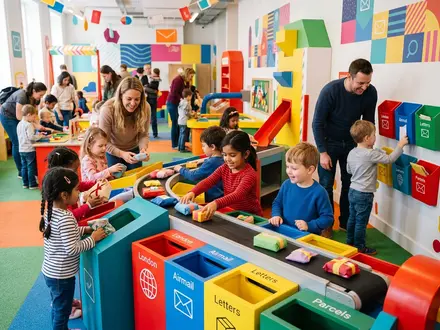
Below ground, Mail Rail is the main draw. Visitors board miniature trains at the original Mount Pleasant platform and ride through a one-kilometre stretch of tunnel, passing abandoned stations and projected displays that bring the railway's working life back to vivid detail. The ride lasts around 15 minutes and is included in every ticket. For families, the Sorted! play space lets younger children sort parcels, operate conveyor belts and dress up as postal workers.
The museum sits on Phoenix Place in Clerkenwell, a short walk from Farringdon and Chancery Lane stations. The on-site cafe serves light meals and drinks, and there is a gift shop stocked with postal-themed souvenirs and stamps. The building is fully accessible, with step-free access to all galleries and a wheelchair-accessible Mail Rail carriage available on request.
Clerkenwell itself is worth exploring after your visit. Exmouth Market, a two-minute walk away, has independent restaurants and street food stalls. The Museum of the Order of St John is just around the corner, and Smithfield Market — London's oldest meat market — lies a few streets south.
All tickets include one ride on Mail Rail and 12 months of unlimited return visits. Book online for a £1 discount. Carers enter free when accompanying a disabled visitor
Mail Rail has limited capacity and timed entry slots fill up quickly, especially during school holidays and weekends. Book online as far ahead as possible.
The museum is quietest on Tuesday to Thursday mornings. You will have more space in the galleries and shorter queues for the Mail Rail ride during off-peak times.
If visiting with young children, factor in at least 30 minutes for the Sorted! area. It is designed for under-eights and gives families a fun break between exhibits.
Exmouth Market is a two-minute walk from the museum and has a wide range of independent restaurants, cafes and street food stalls. It is a better option than eating on site.
The museum is normally closed on Mondays but opens during school holidays. Check the website before planning a Monday visit to confirm it is open on your chosen date.

London Travel Writer · 12+ years covering UK attractions and tourism
Last reviewed: March 9, 2026