Petrie Museum of Egyptian Archaeology
One of the world's greatest collections of Egyptian and Sudanese archaeology — 80,000 objects in a hidden UCL campus gem
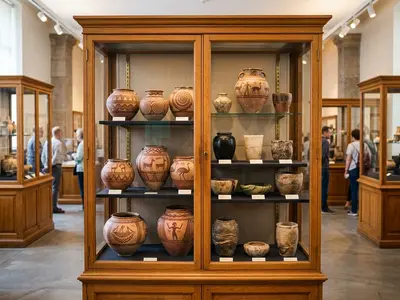
One of the world's greatest collections of Egyptian and Sudanese archaeology — 80,000 objects in a hidden UCL campus gem
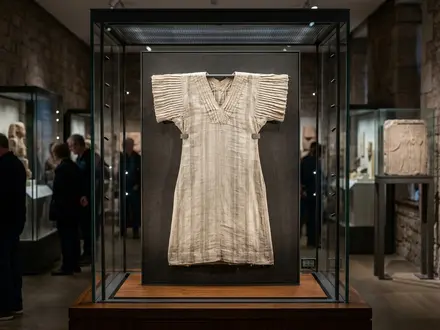
Tucked away in a former stable block on UCL's Bloomsbury campus, the Petrie Museum holds over 80,000 Egyptian and Sudanese artefacts — making it one of the largest university collections of its kind anywhere in the world. Among them is the Tarkhan Dress, radiocarbon-dated to around 3,000 BC and confirmed as the oldest surviving woven garment.
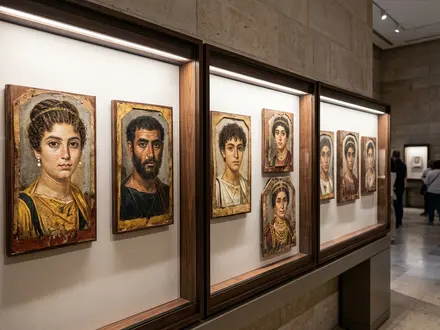
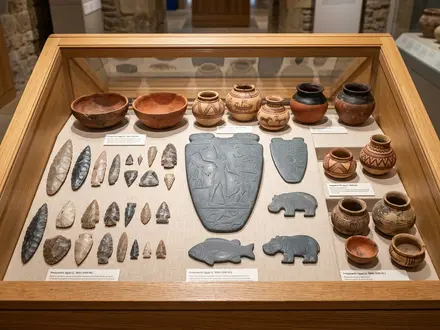
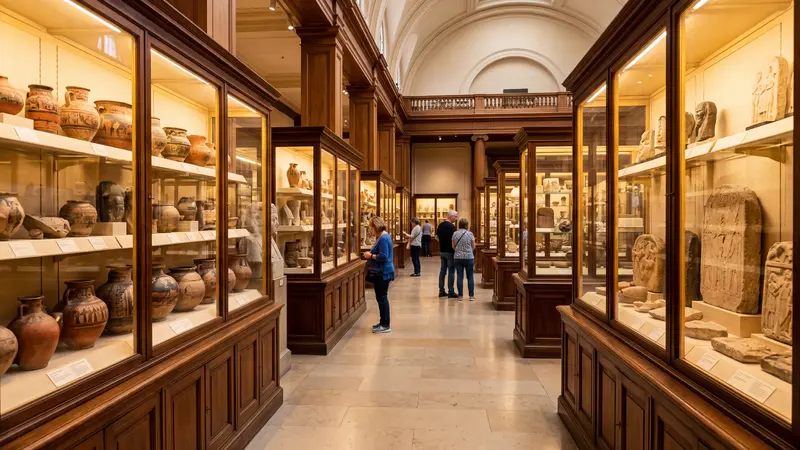
Visitors move through dimly atmospheric galleries lined with wooden display cases, exploring everything from predynastic flint tools to Roman-period mummy portraits. The collection spans 5,000 years of Nile Valley civilisation, much of it excavated by the museum's founder, Flinders Petrie.
William Matthew Flinders Petrie (1853–1942) is widely regarded as the father of modern Egyptology. He conducted over forty excavation seasons across Egypt and Sudan, developing systematic recording methods that transformed archaeology from treasure hunting into a scientific discipline. His technique of sequence dating — arranging pottery types into chronological order — remains a cornerstone of archaeological method.
The museum owes its existence to two key figures. The writer and Egyptologist Amelia Edwards left a bequest in 1892 to establish a chair of Egyptology at UCL and fund a teaching collection. Petrie held that chair for over two decades, and in 1913 he sold his enormous personal collection of excavated objects to the university. The collection was first put on public display in June 1915 and was designated by the UK government in 1998 as being of outstanding national importance.
The museum's strength lies not in individual blockbusters but in the sheer depth and range of its holdings. The Tarkhan Dress — the world's oldest woven garment — is the star exhibit, displayed in a climate-controlled case near the entrance. Nearby, the predynastic galleries contain flint tools, cosmetic palettes and the earliest known worked iron from Egypt, shaped from meteorite fragments around 3200 BC.
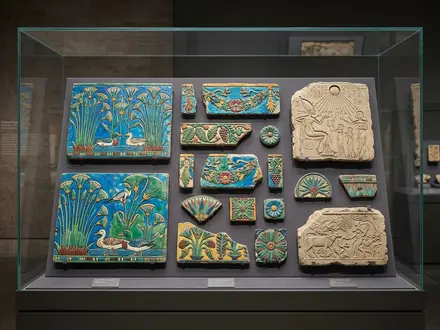
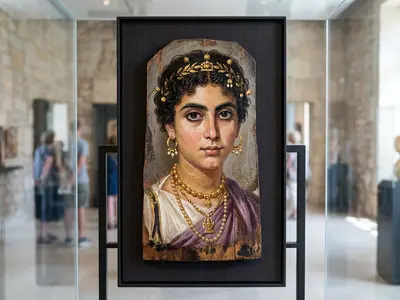
The Amarna material is among the finest outside Cairo. Painted tiles, carved stone reliefs and fragments of wall painting from Akhenaten's short-lived capital reveal the artistic revolution that accompanied his religious reforms around 1350 BC. The Roman-period mummy portraits are equally compelling — lifelike faces painted in encaustic wax that bridge the gap between ancient Egypt and the classical world.
The Petrie Museum sits at the heart of London's museum quarter. The British Museum, with its own world-class Egyptian galleries including the Rosetta Stone, is a ten-minute walk south via Montague Street. The Grant Museum of Zoology — another UCL gem — is just around the corner on University Street and also free. The Wellcome Collection on Euston Road, a five-minute walk north, explores the connections between medicine, life and art. Gordon Square and Tavistock Square, both part of Bloomsbury's garden squares, offer a quiet spot to sit between museum visits.
Entry is completely free with no booking required — simply walk in during opening hours
The museum is not on a main road and has no prominent signage. Enter the UCL campus from Malet Place and look for the DMS Watson Building — the museum is inside.
Saturday is the only day the museum opens at 11am rather than 1pm. Arriving early gives you the best chance of having the galleries almost to yourself.
UCL's Grant Museum of Zoology is a two-minute walk away and also free. Together they make an excellent hour of two of London's most underrated small museums.
As a university museum, the Petrie sometimes closes during UCL holiday periods including Easter and Christmas. Check the website before visiting to avoid a wasted trip.
Some display cases have pull-out drawers and torches provided for closer inspection. Ask staff which drawers are accessible — they reveal objects not on open display.

London Travel Writer · 12+ years covering UK attractions and tourism
Last reviewed: March 9, 2026