A Highlights Visit in 2 to 3 Hours
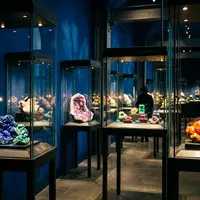
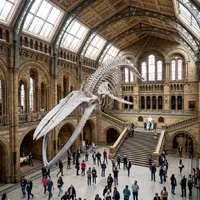
If you have limited time, a focused visit of 2 to 3 hours is enough to see the Natural History Museum's most popular exhibits. A sensible route would start in Hintze Hall with Hope the blue whale, move into the Dinosaur Gallery in the Blue Zone, visit the Vault in the Minerals Gallery for a look at rare gems and meteorites, and finish with the Earth Hall and its escalator ride through a giant globe. Our guide to the best galleries at the Natural History Museum covers each of these areas in more detail.
This pace allows you to spend roughly 20 to 30 minutes in each area without rushing, with time for a quick stop at a cafe or a look at the gift shop. You will walk past plenty of other interesting displays along the way, but the idea is to hit the standout exhibits rather than reading every panel.
A Half-Day Visit
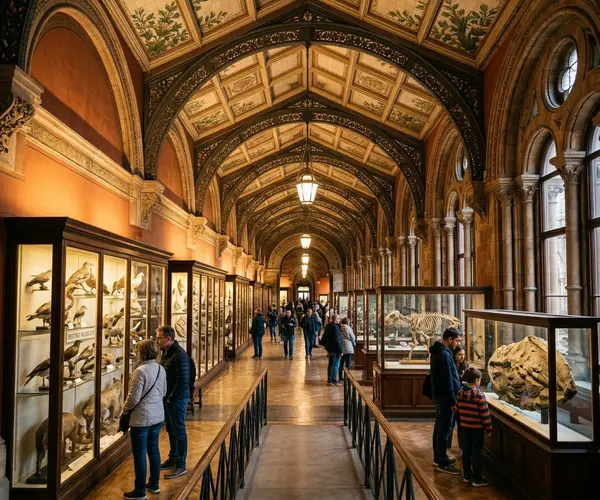
With 4 to 5 hours, you can explore the museum more thoroughly. This gives you time to visit the Green Zone's ecology and bird galleries, spend longer in the Blue Zone looking at marine reptiles and fish, and explore the less crowded Red Zone with its geology and evolution displays.
The Wildlife Garden, open seasonally, is worth a visit if the weather is decent. It is a half-acre outdoor space behind the museum that showcases British habitats including meadow, woodland and a pond. Most visitors walk straight past it, which means it is usually quiet.
Why You Cannot See Everything
The Natural History Museum is one of the largest natural history collections in the world. The building itself covers a huge footprint, and the galleries stretch across multiple floors in four colour-coded zones (Blue, Green, Red and Orange). Over 80 million specimens are held in the collection, though only a small fraction are on public display at any time.
Trying to read every information panel and examine every case would take days rather than hours. Regular visitors often come back multiple times, focusing on a different zone each trip.
Tips for Managing Your Time
Decide before you arrive which galleries matter most to you. The museum map, available at the entrance and online, colour-codes the four zones and marks the most popular exhibits. Having a rough plan saves you from wandering aimlessly through connecting corridors.
If you are visiting with children, factor in extra time. The Dinosaur Gallery and the animatronic T. rex tend to captivate younger visitors, and pulling them away takes longer than you might expect. The Investigate Centre (when open) lets children handle real specimens, which is absorbing but time-consuming.
Weekday mornings during school term are the quietest times to visit. At peak times, including weekends and school holidays, queues at the entrance and crowds in the Dinosaur Gallery can add 30 minutes or more to your visit.
Combining with Nearby Museums
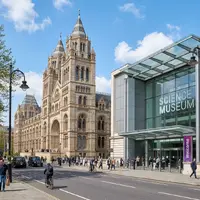
The Natural History Museum sits on Exhibition Road in South Kensington alongside the Science Museum and the Victoria and Albert Museum. If you plan to visit more than one, give each museum its own session rather than trying to cram two or three into a single morning. Museum fatigue is real, and you will get more from each visit if you are not already exhausted when you arrive.