The Musical Museum
A remarkable collection of self-playing instruments — from tiny music boxes to a Mighty Wurlitzer theatre organ
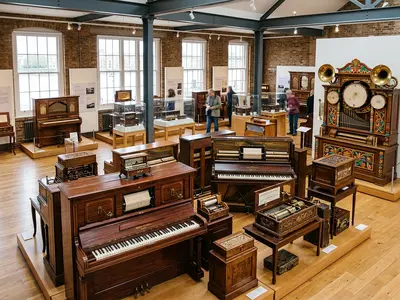
A remarkable collection of self-playing instruments — from tiny music boxes to a Mighty Wurlitzer theatre organ
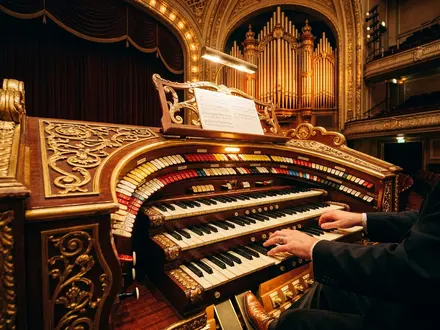
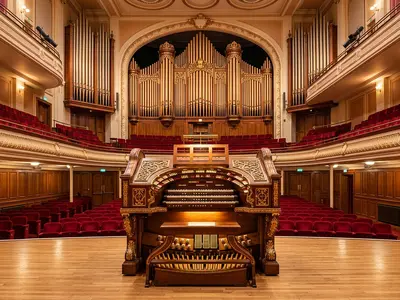
Founded in 1963 by Frank Holland MBE, The Musical Museum houses one of the world's finest collections of automated musical instruments. Its centrepiece — a Mighty Wurlitzer theatre organ built in 1929 — once filled the Regal Cinema in Kingston upon Thames and now dominates a purpose-built 250-seat concert hall.
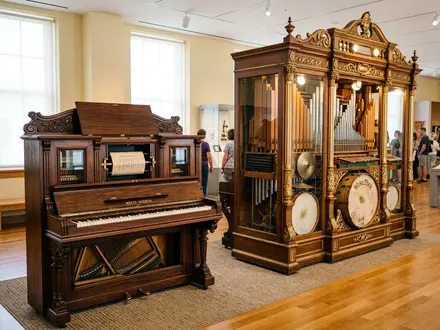
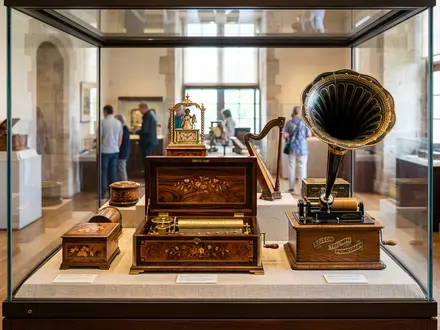
Guided tours bring the collection to life, with volunteers demonstrating everything from clockwork music boxes and player pianos to orchestrions and a self-playing Steinway grand. Each instrument is kept in working order, so you hear rather than simply see the history of mechanical music.
The Musical Museum traces its origins to 1963, when Frank Holland MBE began rescuing self-playing instruments that were being scrapped across Britain. Holland had been fascinated by mechanical music since the 1950s and believed these engineering marvels deserved preservation. He initially housed his growing collection in a disused church on Brentford High Street, where the instruments were demonstrated to visitors in informal, hands-on tours.
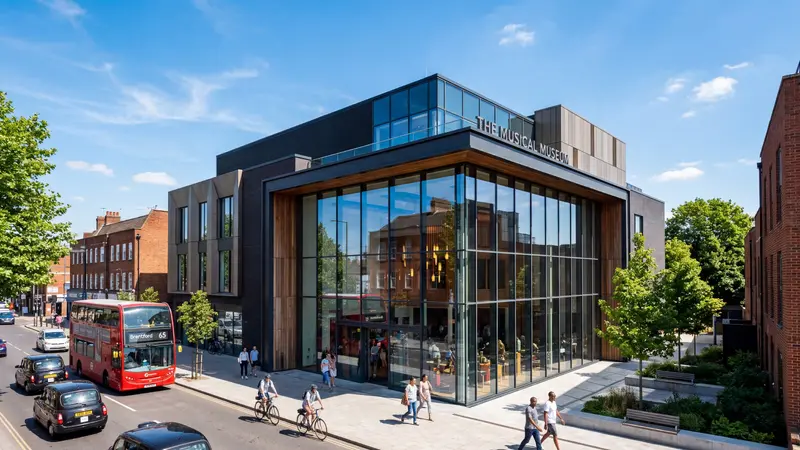
As the collection expanded to include large orchestrions and the Mighty Wurlitzer theatre organ salvaged from the Regal Cinema in Kingston upon Thames in 1972, the old church could no longer cope. After years of fundraising, a new purpose-built museum opened on the same street in 2009. The modern building includes climate-controlled galleries, a 250-seat concert hall designed around the Wurlitzer, and proper conservation facilities for the thousands of fragile paper music rolls in the archive.
The museum is best experienced on a guided tour, led by knowledgeable volunteers who bring each instrument to life with live demonstrations. Tours run at 10:30am, 12:30pm and 2:30pm, walking visitors through the evolution of mechanical music from tiny Swiss cylinder music boxes to room-sized orchestrions capable of imitating a full orchestra.
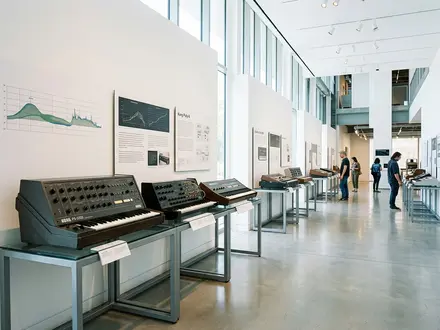
The undisputed star is the Mighty Wurlitzer, a three-manual, twelve-rank theatre organ that fills the concert hall with a sound far bigger than its pipework suggests. Regular concerts and silent film screenings give the organ a proper workout. Elsewhere, player pianos reproduce performances from original rolls, an Edison phonograph demonstrates the dawn of recorded sound, and the Korg Gallery — opened in 2024 — explores the rise of electronic synthesisers.
The museum sits on Brentford High Street, a short walk from the Thames towpath and Kew Bridge. After your visit, the London Museum of Water and Steam is just a few minutes away on the same street, making it easy to combine two niche museums in a single morning. Kew Gardens is also within walking distance across Kew Bridge, roughly 15 minutes on foot.
The museum's cafe serves light refreshments. Wheelchair access is available throughout the ground floor, and the concert hall is fully accessible. Check the website before visiting for details of upcoming Wurlitzer concerts and special events, as the hall is occasionally reserved for private functions.
Hounslow residents receive a discounted rate of £12.00. A smaller family ticket for one adult and up to three children is available at £20.00
The instruments are only played during guided tours at 10:30am, 12:30pm and 2:30pm. Arrive in time for a tour rather than wandering alone — hearing them play is the whole point.
The London Museum of Water and Steam is a five-minute walk along the same street. A combined visit makes a solid half-day out in Brentford without needing to travel between sites.
The museum hosts regular Wurlitzer concerts and silent film screenings in its 250-seat hall. These are separately ticketed events — book early as they sell out quickly.
Kew Gardens is roughly 15 minutes on foot across Kew Bridge. If you plan to visit both, start at the museum in the morning and head to Kew after lunch for the afternoon.
Kew Bridge station is the closest rail stop, just a five-minute walk away. Trains run from Waterloo via Clapham Junction and take around 30 minutes.

London Travel Writer · 12+ years covering UK attractions and tourism
Last reviewed: June 2, 2026