London Museum of Water & Steam
Victorian pumping station housing the world's largest collection of Cornish beam engines — powering west London's water supply since 1838
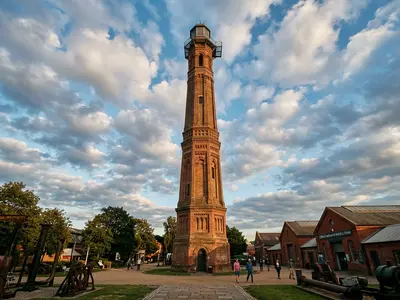
Victorian pumping station housing the world's largest collection of Cornish beam engines — powering west London's water supply since 1838
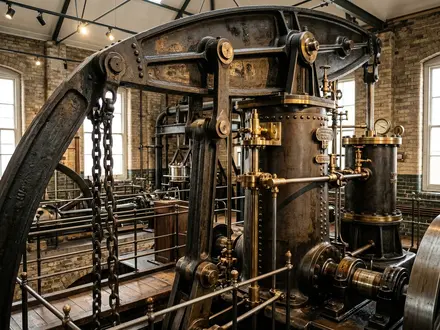
Built in 1838 to pump clean drinking water across west London, the Kew Bridge Pumping Station now houses the world's largest collection of Cornish beam engines. The 100-inch engine, standing over 40 feet tall and weighing 250 tonnes, is the largest surviving single-cylinder beam engine on the planet. Charles Dickens himself called the 90-inch engine "a monster."
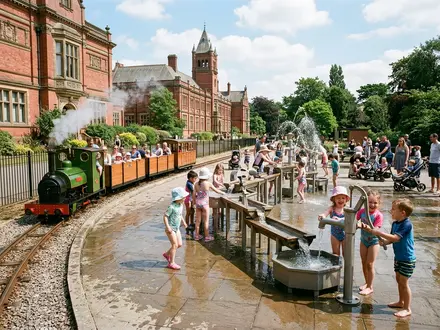
Visitors can watch these restored giants operate under steam on monthly steam-up weekends, explore the story of London's water supply from Roman times to the present day, and let children loose in the outdoor Waterworks splash zone and narrow-gauge steam railway.
The Grand Junction Waterworks Company opened its Kew Bridge Pumping Station in 1838 after abandoning an earlier site at Chelsea, where Thames water quality had become dangerously poor. The new station drew cleaner water from the river at Brentford and pumped it through cast-iron mains to homes and businesses across Paddington, Kensington and eventually most of west London. A series of increasingly powerful Cornish beam engines were installed between 1838 and 1871, each designed to push water further and faster as the city's population exploded.
The engines remained in daily service until 1944, when electric pumps finally replaced them. The buildings and machinery were saved from demolition in 1975 when a group of volunteers formed a trust to preserve the site. Originally known as the Kew Bridge Steam Museum, it was renamed the London Museum of Water & Steam in 2014 following a major 2.45 million pound renovation that added new galleries and the outdoor Waterworks area.
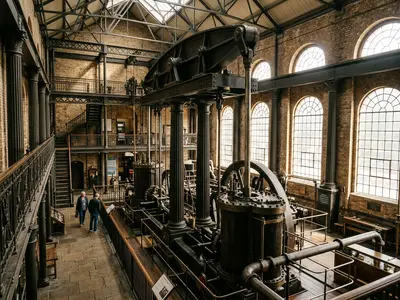
The five Cornish beam engines are the centrepiece. The 1846 Grand Junction 90-inch engine, built by Sandys, Carne and Vivyan of Hayle, stands over 40 feet tall and was once the largest working beam engine in the world. Beside it, the 1869 Harvey 100-inch engine holds the record as the largest surviving single-cylinder beam engine anywhere. On monthly steam-up weekends, volunteers fire the boilers and bring these machines back to life — the sight and sound of a 250-tonne engine in motion is remarkable.
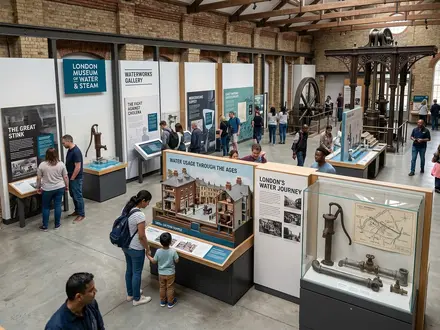
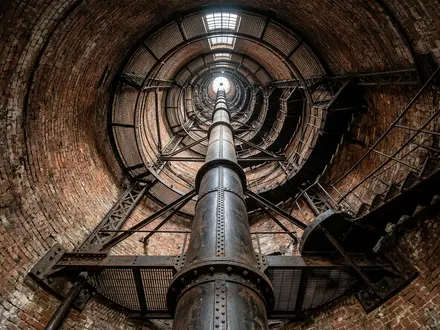
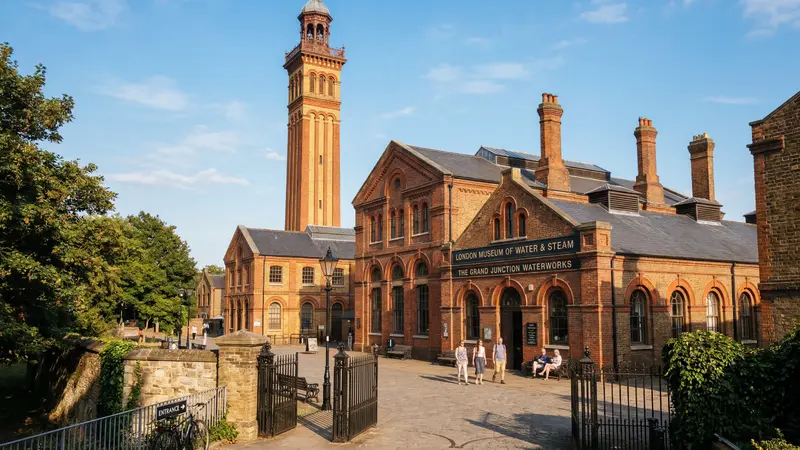
Beyond the engine houses, the Waterworks Gallery traces the story of London's water supply through interactive displays and period model houses. The Grade I listed standpipe tower, completed in 1867 and rising 200 feet, is one of the most distinctive industrial structures in London. Outside, the splash zone lets children experiment with pumps and water channels, and a narrow-gauge steam railway circles the grounds.
The museum sits beside Kew Bridge on the north bank of the Thames, a short walk from Kew Bridge station. Monthly steam-up weekends — typically the last full weekend of each month — are the best time to visit, as the engines operate under steam and volunteers offer guided tours of the engine houses. Check the website for exact dates, as the schedule varies.
Kew Gardens, one of London's finest attractions, is directly across the river and a 10-minute walk over Kew Bridge. The Musical Museum, housing a collection of self-playing instruments, is just 200 metres along the road. Brentford High Street offers pubs and cafes for lunch, and the Thames Path provides pleasant walking in either direction along the riverbank.
Under 5s enter free — all tickets are annual passes valid for 12 months of repeat visits
The engines only operate under steam on selected weekends, typically the last full weekend of each month. Check the museum website for exact dates before planning your visit.
Kew Gardens is a 10-minute walk across Kew Bridge. Buy your museum ticket in the morning, explore the engines, then spend the afternoon in the gardens for a full day out.
The museum has outdoor grounds and seating areas suitable for picnics. The splash zone is open in warmer months so bring towels and a change of clothes for children.
Kew Bridge station is a five minute walk from the entrance. Gunnersbury Tube is 20 minutes on foot so the train from Waterloo or Clapham Junction is far more convenient.
The splash zone, steam railway and interactive water displays can easily occupy children for an hour or more. Budget at least three hours for a family visit with young children.

London Travel Writer · 12+ years covering UK attractions and tourism
Last reviewed: June 2, 2026