Milton Keynes Museum
Social history museum in a Victorian farmstead — over 30 buildings covering local life from Roman times to the present

Social history museum in a Victorian farmstead — over 30 buildings covering local life from Roman times to the present
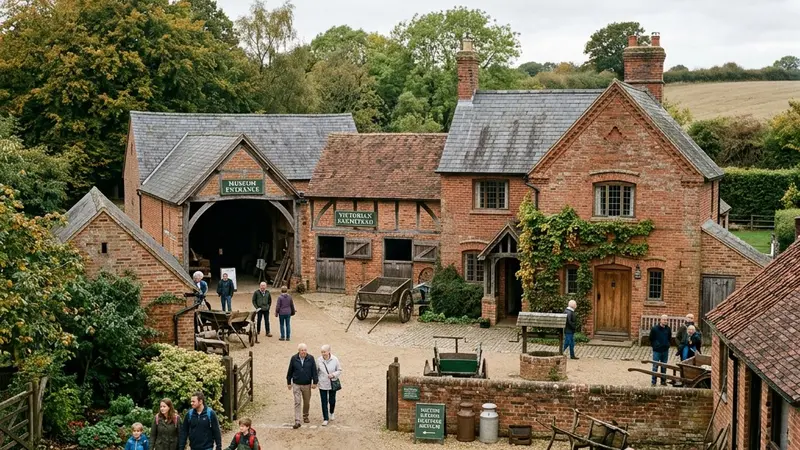
Set within a Victorian model farmstead on the northern edge of Milton Keynes, this independent museum tells the story of the local area through more than 30 buildings packed with reconstructed rooms, workshops and street scenes. The Stacey Hill Collection, gathered by residents determined to preserve their heritage before the new town swallowed it up, forms the heart of the displays.
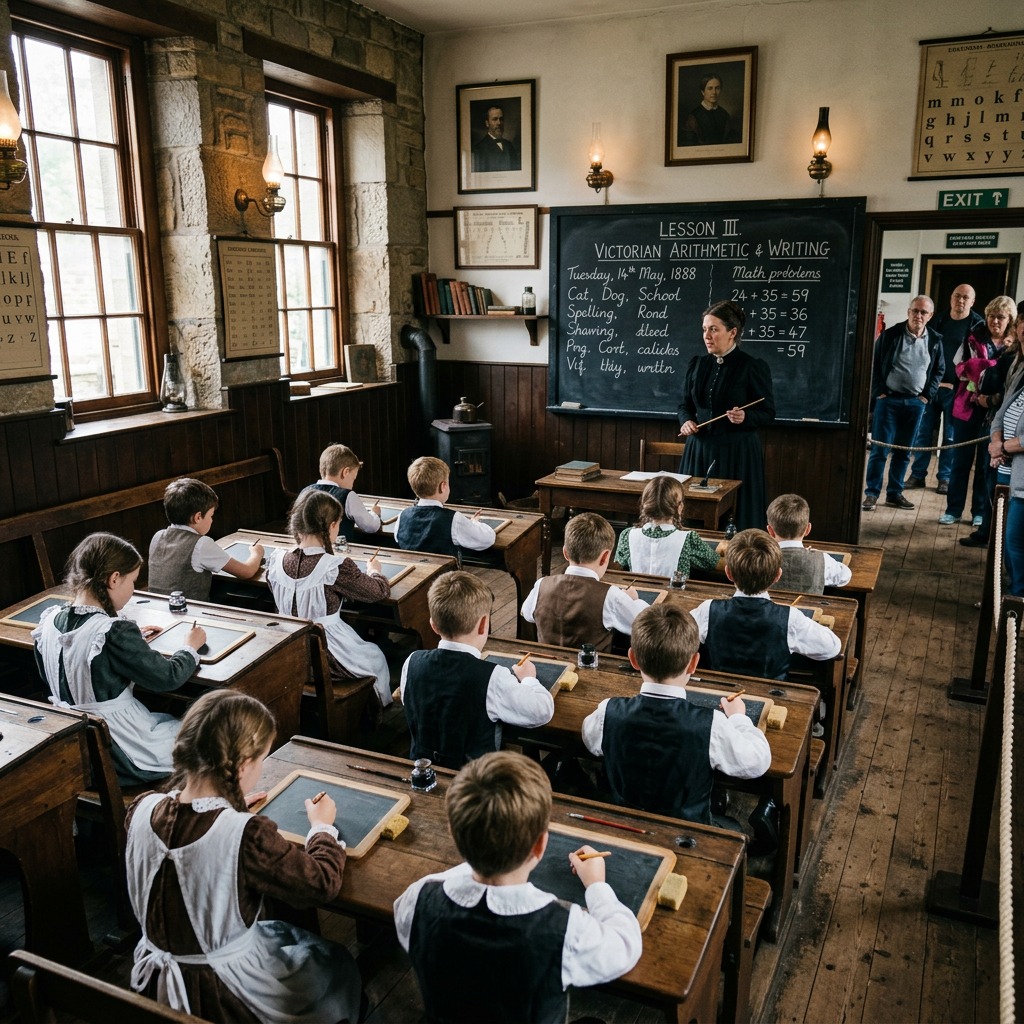
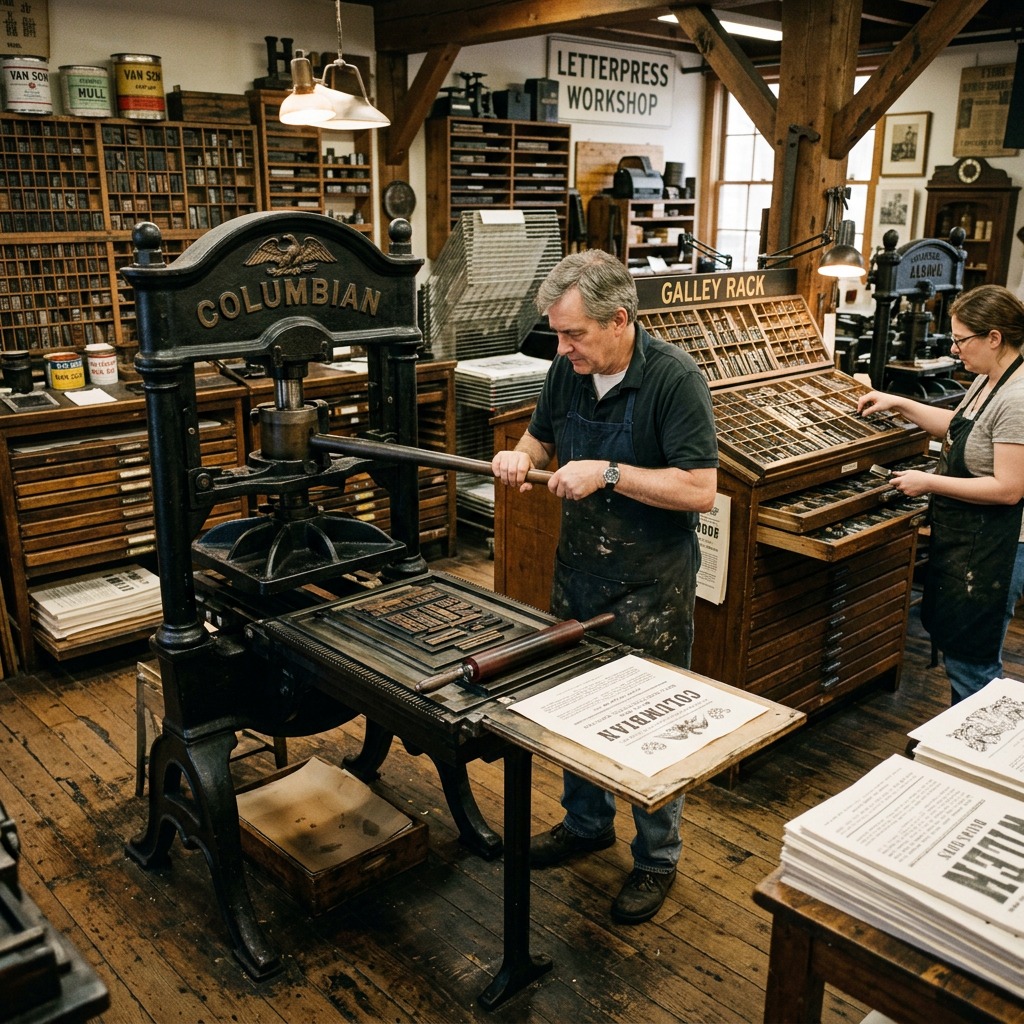
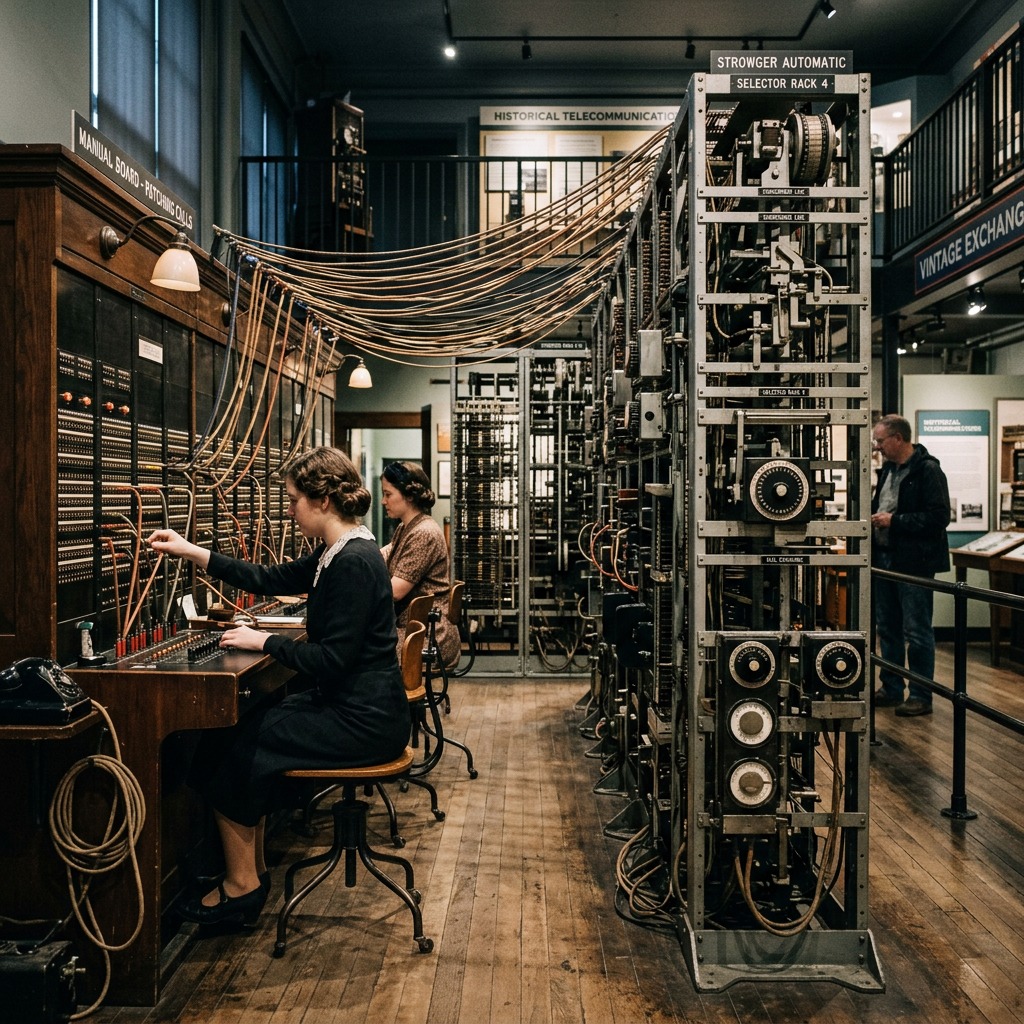
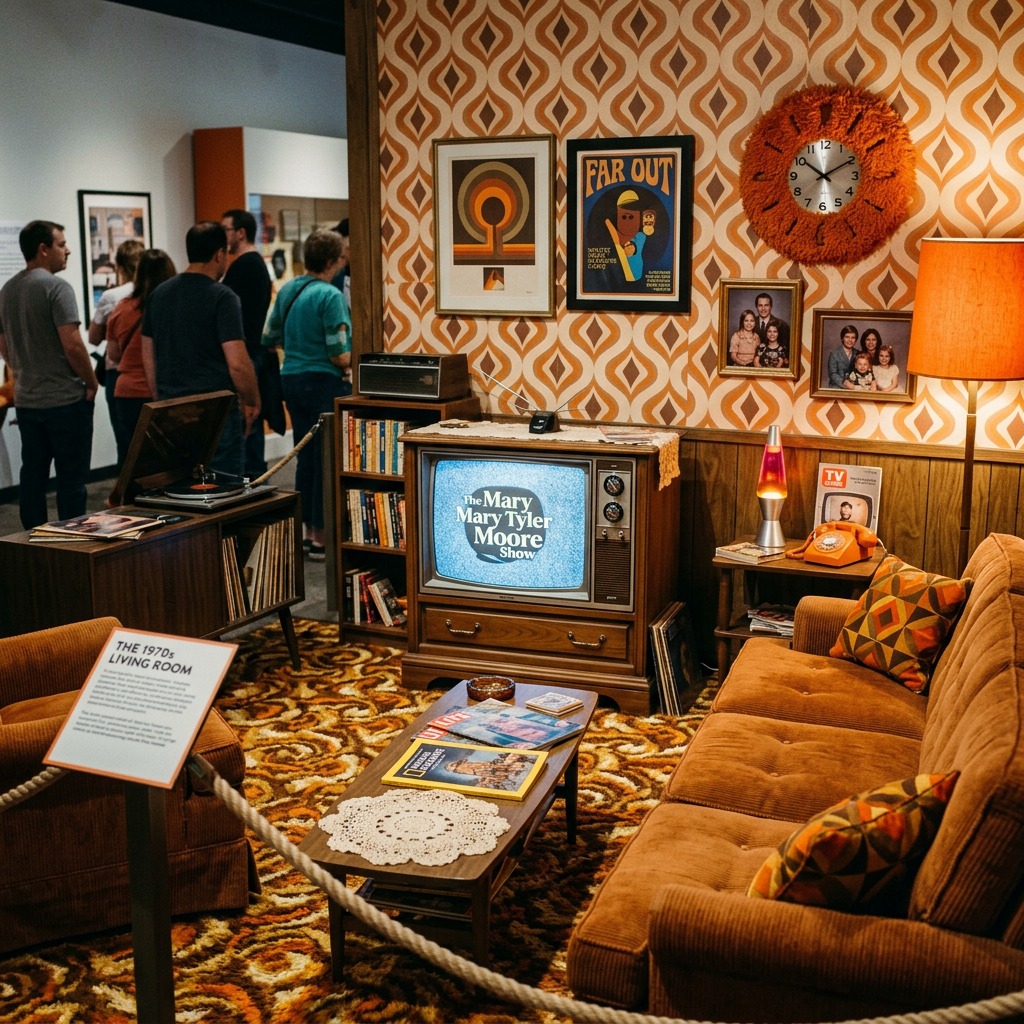
From a working letterpress print shop and a fully equipped telephone exchange to a recreated Victorian schoolroom and a 1970s living room, the museum brings everyday life from the past two centuries into sharp focus. The Hall of Transport and a dedicated Wolverton railway works exhibition add industrial weight to an already absorbing visit.
Stacey Hill Farm was built in 1847 as a Victorian model farm on the outskirts of Wolverton, a town that had sprung up almost overnight to serve the London and Birmingham Railway. For more than a century the farm worked the fields of north Buckinghamshire, but by the late 1960s a far greater change was coming. The designation of Milton Keynes as a new town in 1967 meant that farms, factories and entire communities would be swept away to make room for grid roads and housing estates.
A group of local residents formed the Stacey Hill Society in 1973, determined to rescue objects that represented their disappearing way of life. Ploughs, printing presses, shop fittings and domestic tools were salvaged from buildings facing demolition and stored in the farm's outbuildings. As the collection grew, so did ambition. The farmstead itself became the museum, and over the following decades more than 30 buildings — some original, some relocated and reconstructed — were opened to the public. Today Milton Keynes Museum is an independent charity run largely by volunteers.
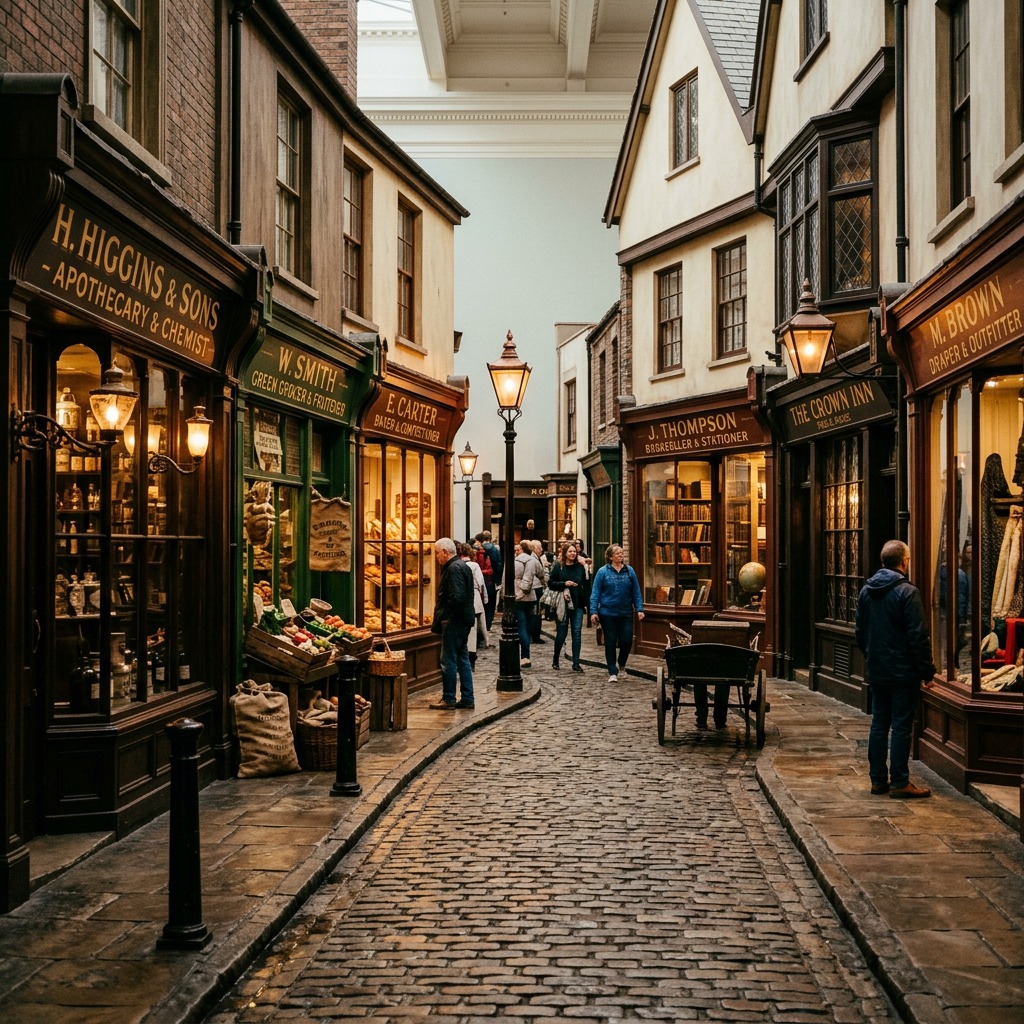
The museum is arranged as a series of themed buildings and reconstructed spaces spread across the farmstead. Museum Street recreates a row of Victorian and Edwardian shop fronts, including a sweet shop where visitors can buy penny sweets, a chemist, a draper and a cobbler. Period rooms in the original farmhouse range from a Victorian parlour and scullery to an Edwardian kitchen and a faithfully detailed 1970s living room, complete with orange furnishings and a vintage television set.
The Hall of Transport houses a substantial collection of vehicles, from bicycles and horse-drawn carriages to motor cars and what the museum describes as the world's largest stationary steam tram. A dedicated gallery tells the story of Wolverton Works, the railway engineering factory established in 1838 that shaped the town for over 150 years. The Railway Boardroom, preserved with original furnishings and photographs, is a particular highlight.
Elsewhere, the working print shop demonstrates letterpress techniques using Victorian-era presses, and the telephone exchange traces the evolution of telecommunications from manual switchboards to electronic systems. The recreated Victorian schoolroom is among the most popular exhibits with families, allowing children to sit at wooden desks and try their hand at writing on slates.
Milton Keynes Museum is open Wednesday to Sunday, 10.30am to 4.30pm, with last entry at 3.30pm. During local school half terms the museum opens every day. Wolverton station, served by fast trains on the West Coast Main Line, is a 15-minute walk away, and free parking is available on site for those arriving by car. The museum is signposted from the A5 and H2 Millers Way.
Allow two to four hours for a thorough visit. The museum runs a programme of special events throughout the year, including themed weekends, craft demonstrations and activities for children during school holidays. A small cafe serves hot and cold refreshments, and picnic tables are available in the grounds. Your admission ticket is valid for unlimited return visits for a full year, making it excellent value for local families. Bletchley Park, the famous wartime codebreaking centre, is a 15-minute drive to the south, making it straightforward to combine both attractions in a single day.
Your ticket lets you visit for free all year — one free carer ticket with each disabled visitor
Your admission ticket allows free return visits for a full year. If you live locally or plan to visit the area again, this represents excellent value compared to a single-day entry.
The museum runs themed weekends and special activity days throughout the year. These events often include extra demonstrations in the print shop and schoolroom that are not available on regular opening days.
The museum is spread across more than 30 buildings with outdoor paths between them. Some surfaces are uneven, and the grounds can be muddy after rain, so sturdy footwear is a good idea.
The recreated Victorian and Edwardian shop fronts are easy to rush through, but each one rewards a closer look. The sweet shop selling penny sweets is a highlight for children and nostalgic adults alike.
The famous wartime codebreaking centre is a 15-minute drive south and makes an excellent pairing for a full day out. Book Bletchley Park tickets online in advance as they often sell out.

London Travel Writer · 12+ years covering UK attractions and tourism
Last reviewed: March 10, 2026