Garden Museum
Britain's only museum dedicated to the art and history of gardening — housed in a medieval church beside Lambeth Palace
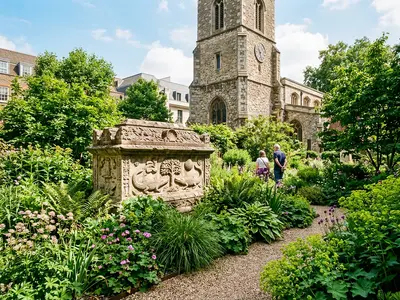
Britain's only museum dedicated to the art and history of gardening — housed in a medieval church beside Lambeth Palace
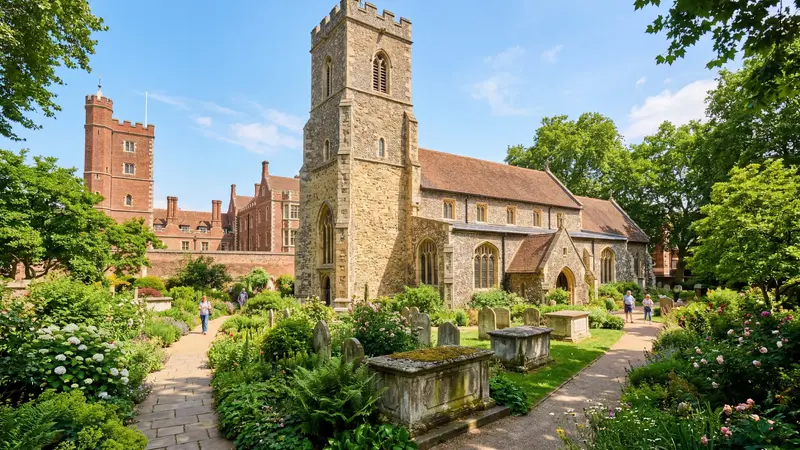
The Garden Museum occupies the deconsecrated church of St Mary-at-Lambeth, saved from demolition in 1977 after Rosemary Nicholson discovered the tomb of the Tradescants — father-and-son royal gardeners who introduced horse chestnuts, lilacs and pineapples to Britain. It is the only museum in the world devoted entirely to the history of gardens.
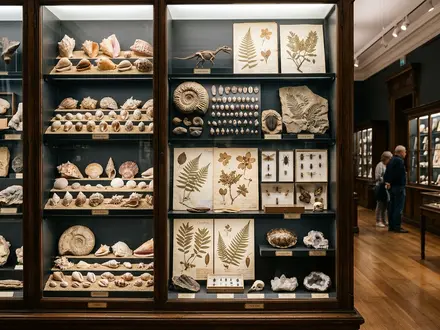
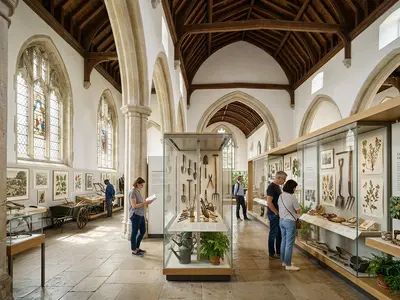
Inside, galleries trace centuries of garden design through tools, paintings, seed catalogues and a recreation of the Tradescants' cabinet of curiosities. Outside, the Sackler Garden by Dan Pearson fills the churchyard, and Captain Bligh of Bounty fame lies buried beneath the lawn.
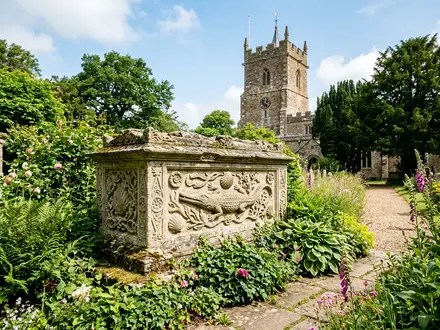
The church of St Mary-at-Lambeth has stood beside Lambeth Palace since at least 1377, when the current tower was built. For centuries it served the local parish, but by the 1970s its congregation had dwindled and the Diocese of Southwark deconsecrated the building in 1972. Demolition seemed certain until John and Rosemary Nicholson visited in 1976 and noticed an elaborate tomb in the overgrown churchyard — carved with crocodiles, shells and a hydra.
The tomb belonged to John Tradescant the Elder and his son, royal gardeners to Charles I who had travelled to Virginia, Russia and North Africa collecting plants and curiosities. The Nicholsons campaigned to save the church, and in 1977 it reopened as the Museum of Garden History — the first institution anywhere dedicated to the subject. A major redevelopment by Dow Jones Architects in 2017 doubled the gallery space and added a bronze-and-glass pavilion while preserving the medieval and Victorian fabric.
The permanent galleries trace the evolution of British gardens from Tudor knot gardens to Capability Brown's landscapes and the Arts and Crafts planting of Gertrude Jekyll. Tools, seed catalogues, botanical paintings and a recreation of the Tradescants' cabinet of curiosities bring each era to life. The museum stages four to six temporary exhibitions each year, often featuring garden-inspired art by figures such as Cedric Morris and Lucian Freud.
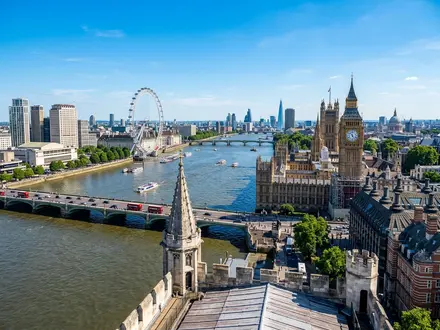
Outside, the Sackler Garden designed by Dan Pearson fills the former churchyard with naturalistic planting around the surviving tombs. The Tradescant tomb, restored in 2019, remains the focal point. Nearby lies the grave of Captain William Bligh of HMS Bounty. Visitors can climb the 1377 tower for views across the Thames to Parliament and Westminster Abbey.
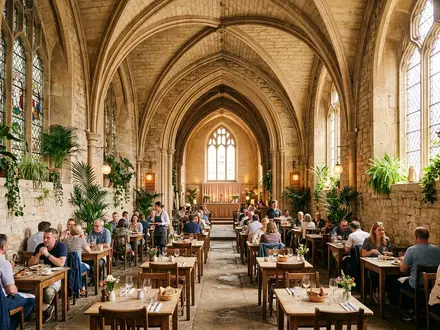
Lambeth Palace, the London residence of the Archbishop of Canterbury since the 13th century, stands immediately next door and opens for guided tours on selected dates. The Imperial War Museum is a 10-minute walk inland along Lambeth Road. Crossing Westminster Bridge puts you at the Houses of Parliament in under five minutes. The museum's cafe is widely regarded as one of the best in any London museum — seasonal British menus served beneath the vaulted nave ceiling make it worth booking for lunch even without visiting the galleries.
Children under 7 enter free. Family tickets available — one adult and one child for £20, two adults and two children for £40
The Garden Cafe is one of London's best museum restaurants and fills up quickly. Book a table for the 12-3pm lunch service, especially at weekends, to avoid disappointment.
The medieval tower dates from 1377 and offers unobstructed views across the Thames to Parliament and Big Ben. Access is included in the admission price — ask staff at the desk.
The Archbishop's residence next door opens for guided tours on selected dates. Check the Lambeth Palace website in advance and book early as places are limited.
The restored 1662 tomb in the churchyard is carved with crocodiles, shells and a seven-headed hydra. Take time to examine the carvings — each depicts the family's travels.
The museum stages four to six exhibitions a year, often featuring high-profile artists. Check the website before visiting to see what is currently showing.

London Travel Writer · 12+ years covering UK attractions and tourism
Last reviewed: June 2, 2026