Freud Museum
Sigmund Freud's final home in Hampstead — his study, famous couch and 2,000 antiquities preserved as he left them
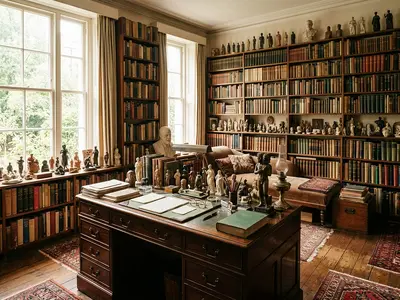
Sigmund Freud's final home in Hampstead — his study, famous couch and 2,000 antiquities preserved as he left them
Sigmund Freud fled Vienna in 1938 with his entire study packed into crates — desk, books, couch and nearly 2,000 antiquities. He reassembled everything at 20 Maresfield Gardens in Hampstead, and it has barely moved since.
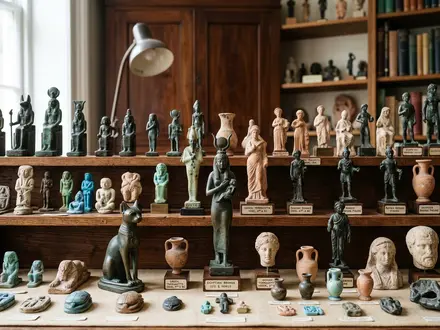
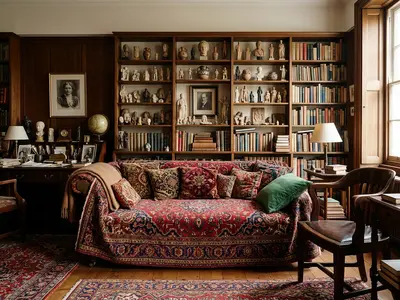
Visitors walk through the ground-floor rooms where Freud spent the last year of his life writing and seeing patients. His study remains exactly as he arranged it, lined with Greek, Roman and Egyptian figures. Upstairs, a room dedicated to his daughter Anna explores her pioneering work in child psychoanalysis.
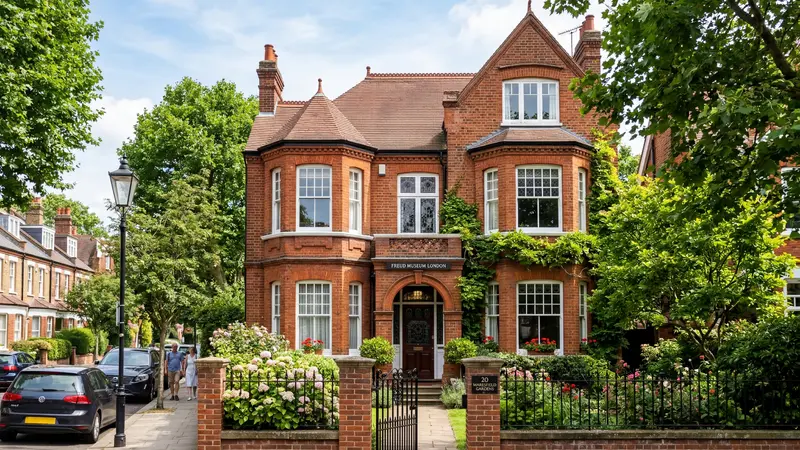
Sigmund Freud arrived in London in June 1938, a refugee from Nazi-occupied Vienna. He was 82, already suffering from the oral cancer that would end his life the following year, but he was determined to bring his world with him. His son Ernst, an architect already living in London, helped the family settle first on Elsworthy Road before moving to 20 Maresfield Gardens — a red-brick Queen Anne style house built in 1920.
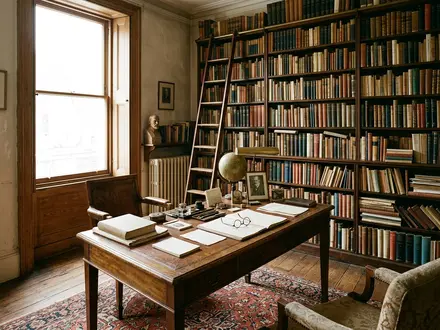
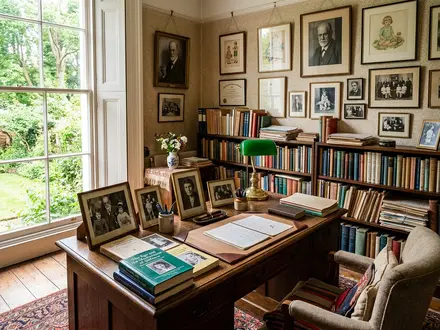
Freud's Viennese study was recreated in the ground-floor rooms with extraordinary fidelity. Every book, every figurine, every piece of furniture was unpacked and placed as it had been at Berggasse 19. He continued to write and receive patients here until weeks before his death on 23 September 1939.
Anna Freud, his youngest daughter, remained in the house for the next four decades, building an international reputation in child psychoanalysis. After her death in 1982, the house was opened as a museum in July 1986, fulfilling her wish that her father's legacy be preserved and shared.
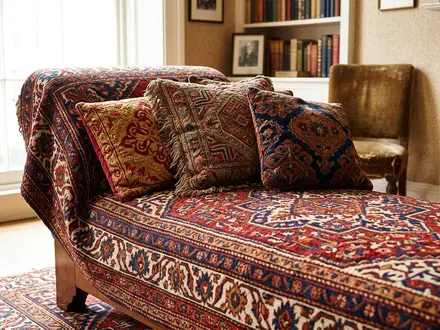
The ground floor is the heart of the museum. Freud's study and consulting room occupy the rear of the house, every surface crowded with antiquities — small bronze figures, Egyptian amulets, Greek vases and Chinese jade pieces arranged exactly as he kept them. The famous couch sits against one wall, covered in its Iranian rug and cushions. Behind it, the shelves hold over 1,600 volumes spanning psychoanalysis, archaeology, literature and art.
The dining room and conservatory, now converted into the museum shop, complete the ground floor. Upstairs, a dedicated room explores Anna Freud's career and contributions, with personal effects, photographs and documents. A video room screens archive footage, and a temporary exhibition space hosts rotating shows that connect psychoanalytic ideas with contemporary art and culture.
The museum sits in a quiet residential street between Swiss Cottage and Hampstead Village. After your visit, Hampstead High Street is a ten-minute walk north, with independent cafes, bookshops and pubs. Hampstead Heath, one of London's largest open spaces, is a fifteen-minute walk and offers panoramic views from Parliament Hill.
Keats House, the Regency villa where the poet John Keats lived, is a short walk away in the same neighbourhood. For a longer afternoon, combine the Freud Museum with a stroll across the Heath to Kenwood House, a grand neoclassical villa housing a fine collection of old master paintings, free to enter.
Prices shown include voluntary Gift Aid donation — a lower rate without donation is available
The museum is small and can feel crowded at weekends. Booking ahead guarantees entry and avoids disappointment on busy days.
The rear garden was loved by both Sigmund and Anna Freud. It has been maintained much as they knew it and is a peaceful spot to sit after exploring the house.
Wednesday and Thursday afternoons are the quietest times. You will have more space to study the antiquities collection and read the interpretive panels.
Walk north to the Heath after your visit. Parliament Hill is fifteen minutes on foot and offers one of the best panoramic views across central London.
The first-floor gallery hosts rotating exhibitions that link psychoanalysis with contemporary art. Check the website before you visit to see what is showing.

London Travel Writer · 12+ years covering UK attractions and tourism
Last reviewed: March 9, 2026