De Havilland Aircraft Museum
Britain's oldest aviation museum — home to the secret wartime Mosquito prototype and the world's first jet airliner
Britain's oldest aviation museum — home to the secret wartime Mosquito prototype and the world's first jet airliner
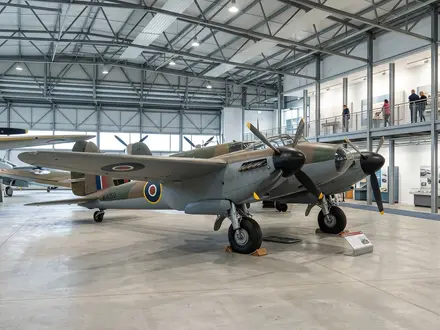
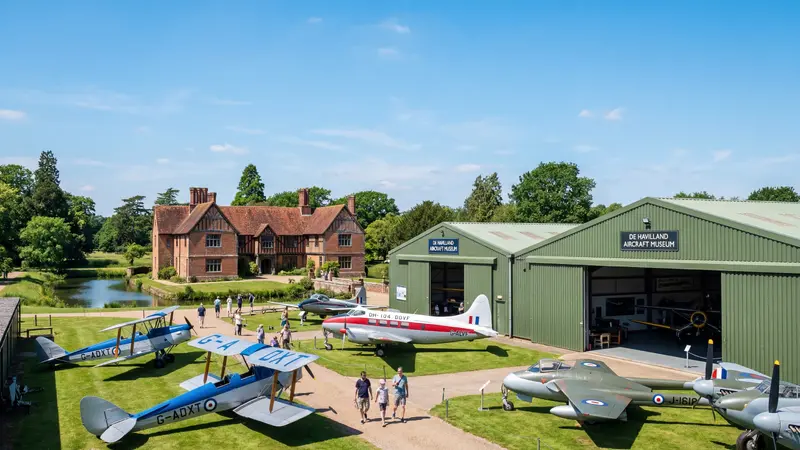
The prototype Mosquito — one of the Second World War's most versatile aircraft — was designed and built in secret at this moated manor house in 1939. Today the museum that grew up around it is the oldest aviation museum in Britain, opened to the public in 1959.
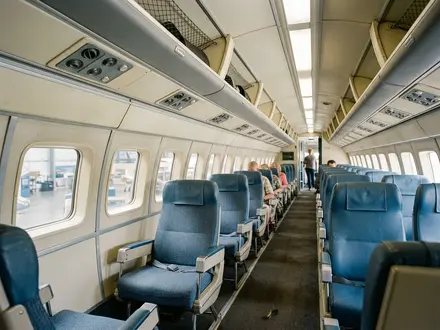
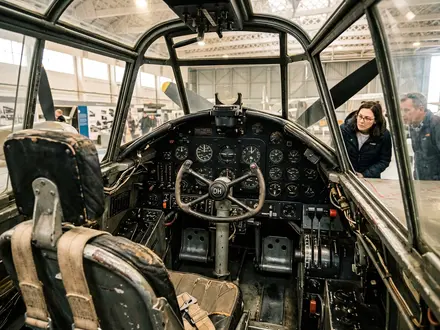
Visitors can walk through the fuselage of the world's first jet airliner, climb into a Mosquito cockpit, and explore more than twenty de Havilland aircraft spread across hangars and grounds. The setting at Salisbury Hall, with its links to Nell Gwyn and Winston Churchill's mother, adds an unexpected layer of history.
Salisbury Hall is a moated manor house with a history stretching back to the medieval period. Charles II built a cottage here for Nell Gwyn in the 1660s, and Lady Randolph Churchill lived in the hall from 1905, receiving regular visits from her son Winston. But the building's most significant chapter began in October 1939, when the de Havilland Aircraft Company quietly moved its Mosquito design team into the hall as a wartime security measure.
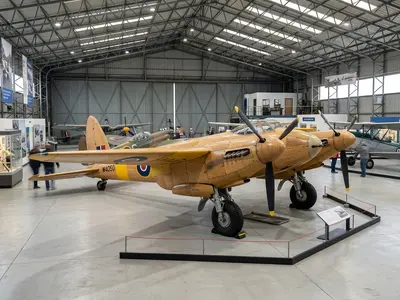
Working in secrecy, a small team led by R.E. Bishop designed and built the Mosquito prototype in outbuildings beside the moat. The Air Ministry was sceptical of an unarmed, all-wooden bomber, but the prototype — designated W4050 — flew for the first time on 25 November 1940 and proved faster than any fighter in RAF service. Nearly 8,000 Mosquitos were eventually built, serving as bombers, fighters, pathfinders and reconnaissance aircraft.
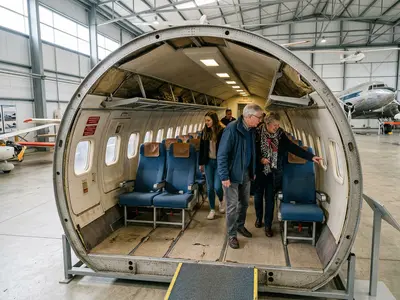
The museum holds more than twenty de Havilland aircraft and significant airframe sections. The Mosquito prototype W4050 is the centrepiece, displayed alongside two further Mosquito airframes including the only surviving FB.VI in Europe. In a separate hangar, the fuselage of a Comet 1A — one of the last square-windowed examples — lets visitors walk through the cabin of the world's first jet airliner, complete with 1950s-era seating and flight deck.
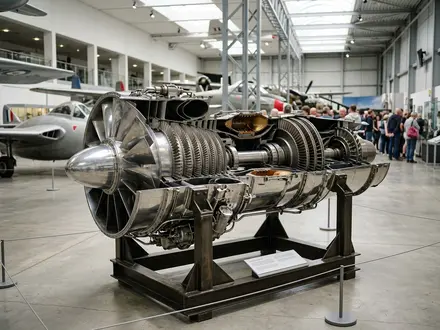
Other aircraft on display include a Vampire jet trainer, a Sea Vixen, a Chipmunk, a Tiger Moth and a Hornet Moth biplane. A dedicated engine hall houses Gipsy, Ghost and Goblin powerplants that chart de Havilland's progression from pre-war biplanes to Cold War jets. Ongoing volunteer restoration projects are visible in the workshop areas, and the museum regularly rotates aircraft between display and conservation.
The museum is entirely run by volunteers, and the atmosphere is more enthusiast-led than corporate — staff are knowledgeable and happy to answer questions. A small cafe serves hot drinks and snacks, and there are picnic benches in the grounds. The site has free parking and partial disabled access, though some hangars have uneven floors.
London Colney is a short drive from St Albans, where the cathedral, Verulamium Roman museum and the historic city centre make a natural pairing for a full day out. The Mosquito cockpit experience runs from April to September on select days — check the website for the current schedule.
Under 5s free. Gift Aid pricing available adds a small supplement to support the museum's charitable work.
The Mosquito cockpit experience runs April to September on select days and sells out quickly. Book online as soon as dates are released.
St Albans is just ten minutes by car. The cathedral, Roman Verulamium and the medieval clock tower make an excellent half-day addition.
The hangars are unheated and open to the elements. In colder months bring a warm jacket — you will be walking through draughty aircraft shelters.
Many volunteers have aviation or engineering backgrounds and some worked at de Havilland. They offer insights you will not find on the display boards.
Summer hours run 30 March to 31 October with later closing at 5pm. The museum closes for refurbishment from 22 December to 20 January.

London Travel Writer · 12+ years covering UK attractions and tourism
Last reviewed: June 2, 2026