The Clink Prison Museum
One of England's oldest prisons brought back to life on its original Bankside site — hands-on torture devices and 900 years of dark history
One of England's oldest prisons brought back to life on its original Bankside site — hands-on torture devices and 900 years of dark history
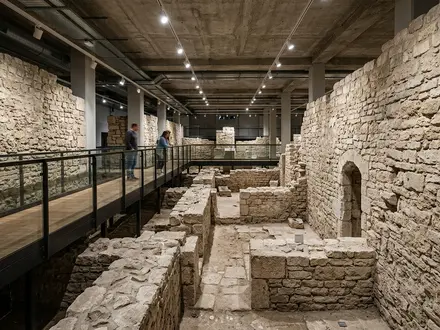
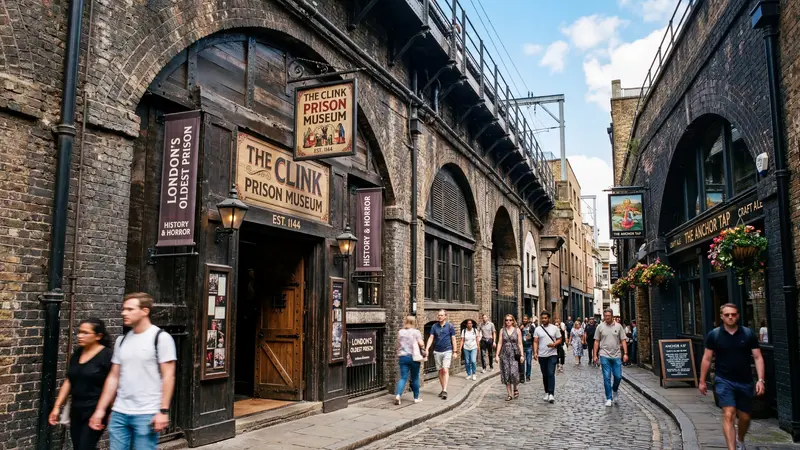
Built on the original foundations of a prison that operated from 1144 to 1780, The Clink Prison Museum sits on the very ground where debtors, heretics and petty criminals were once held by the Bishop of Winchester. It gave the English language a lasting slang term for jail — "the clink."
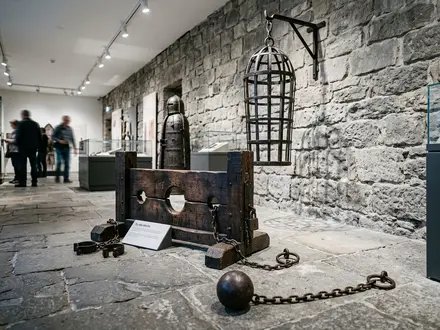
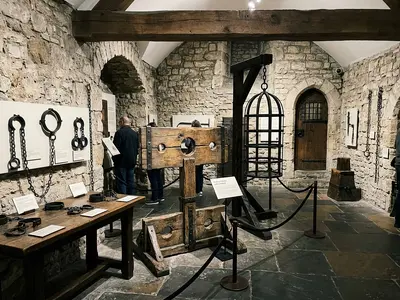
Visitors descend into the atmospheric basement to handle replica torture devices, examine archaeological finds from the site and follow the stories of real inmates across six centuries of incarceration. It is a compact, hands-on experience that brings Southwark's lawless past sharply into focus.
The Clink Prison was established in 1144 within the Liberty of the Clink, a strip of Bankside controlled not by the City of London but by the Bishop of Winchester. The bishop held sweeping powers here — he could imprison anyone who broke his laws, and his laws were many. Debtors, heretics, drunkards, unlicensed actors and the area's sex workers all found themselves behind its doors at one time or another.
For over six centuries the prison operated in various forms, expanding and contracting with the political and religious upheavals that swept through England. Protestant and Catholic dissenters were held here in turn, depending on which faith the Crown favoured. The Clink finally met its end in 1780 when rioters during the Gordon Riots stormed the building and burned it to the ground. Only the foundations survived — and it is on these foundations that the museum now stands.
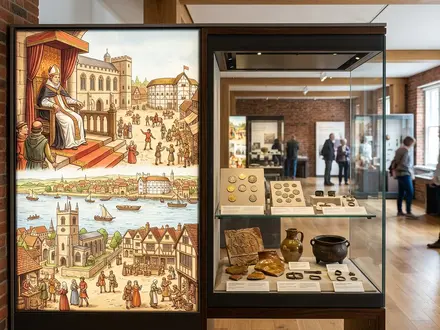
The museum occupies a single basement level beneath Clink Street, close to the surviving wall of Winchester Palace. Display cases hold archaeological finds unearthed from the site, including pottery, coins and fragments of the original building. Replica torture devices are the main draw — visitors can handle stocks, manacles, a ball and chain and branding irons, making this one of London's more interactive small museums.
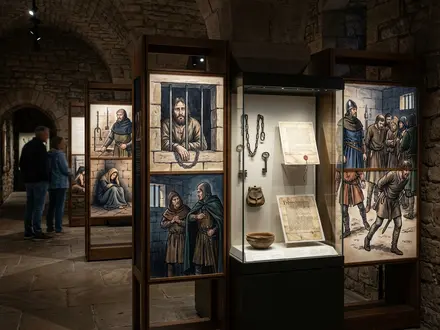
Illustrated panels and audio recordings tell the stories of individual prisoners, from religious martyrs to common thieves. The displays trace how punishment evolved from medieval public humiliation through to the early modern prison system. It is a compact space, but the hands-on approach and the knowledge that you are standing on the actual prison site give it an immediacy that larger museums sometimes lack.
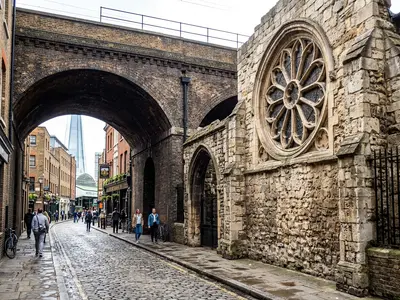
Clink Street itself is one of Southwark's most atmospheric lanes, running beneath Victorian railway arches beside the remaining wall of Winchester Palace's Great Hall. Borough Market is a five-minute walk east, and the Golden Hinde replica galleon sits just around the corner. Shakespeare's Globe and Tate Modern are both within a ten-minute stroll along the Thames Path. Combining the Clink with a walk along the South Bank makes for a strong half-day itinerary covering London's medieval and modern cultural history in one stretch of riverfront.
Concession rate applies to students, seniors and visitors with disabilities (valid ID required). Under 5s enter free
The museum is a five-minute walk from Borough Market. Visit the Clink first thing in the morning, then head to the market for lunch when the stalls are in full swing.
The museum is compact — one basement level — so 45 to 90 minutes is enough for most visitors. Read the panels and handle the devices rather than rushing through.
National Rail's Days Out Guide often includes 2-for-1 entry to the Clink when you show a valid train ticket. Check the website before you travel.
The surviving rose window wall of Winchester Palace is right next to the museum entrance on Clink Street. It is free to view and adds context to the bishop's power in the area.
The torture devices and dark subject matter suit older children and teenagers. Under 5s enter free but the dim basement setting may unsettle very small visitors.

London Travel Writer · 12+ years covering UK attractions and tourism
Last reviewed: March 9, 2026