Buckinghamshire Railway Centre
Heritage steam railway and working museum — 170 locomotives and rolling stock on a 25-acre Quainton site
Heritage steam railway and working museum — 170 locomotives and rolling stock on a 25-acre Quainton site
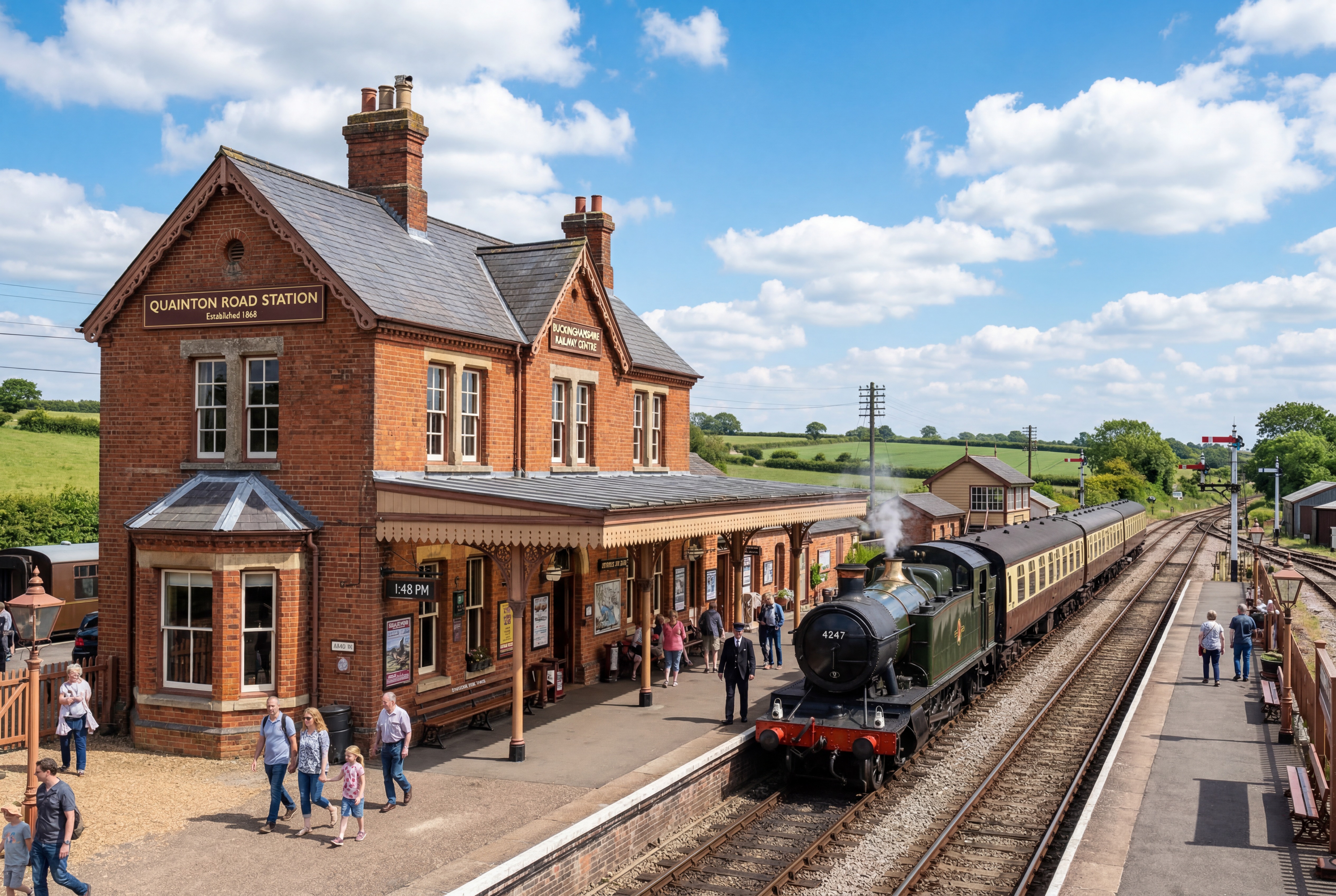
Spread across 25 acres of rolling Buckinghamshire countryside, the Buckinghamshire Railway Centre is a working steam museum where heritage locomotives still pull carriages along the tracks at Quainton Road — a station with roots stretching back to 1868.
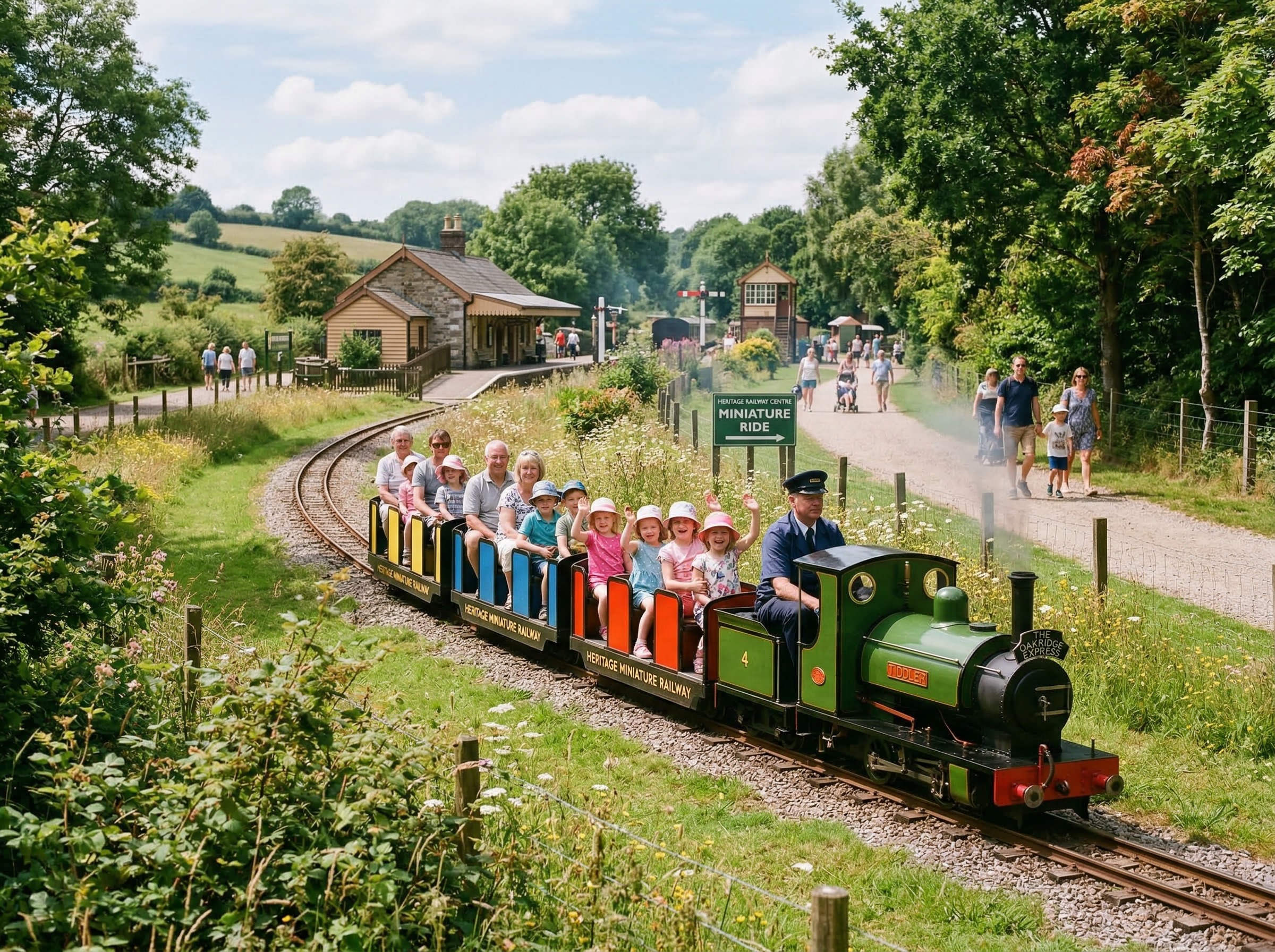
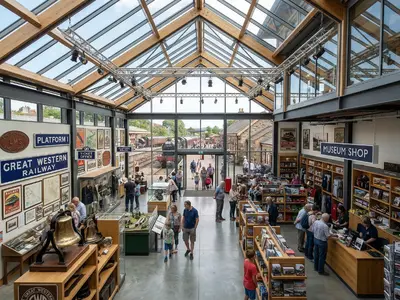
With around 170 items of rolling stock, a striking glass-roofed Visitor Centre, miniature railway rides for children, and a packed calendar of special events including the ever-popular Day Out With Thomas, there is something here for everyone. Climb aboard a steam-hauled train, explore the signal box, and watch volunteer engineers keeping these magnificent machines alive.
The railway first reached Quainton in 1868 with the opening of the Aylesbury and Buckingham Railway. Two years later, the Duke of Buckingham began building the Wotton Tramway to link his nearby estate to the network — a horse-drawn affair that was later upgraded for steam and became known as the Brill Tramway.
The expanding Great Central Railway arrived in 1899 and built the present brick station in a joint venture with the Metropolitan Railway. For decades Quainton Road served as a busy junction, but passenger services were withdrawn in 1963 during the Beeching cuts and the station fell into disuse.
In 1969 a group of enthusiasts formed the Quainton Railway Society to rescue what remained. They began collecting locomotives and rolling stock, and over the following decades transformed the derelict site into one of Britain's most important heritage railway centres. A stunning glass-roofed Visitor Centre now takes centre stage, and the society continues to be run almost entirely by volunteers.
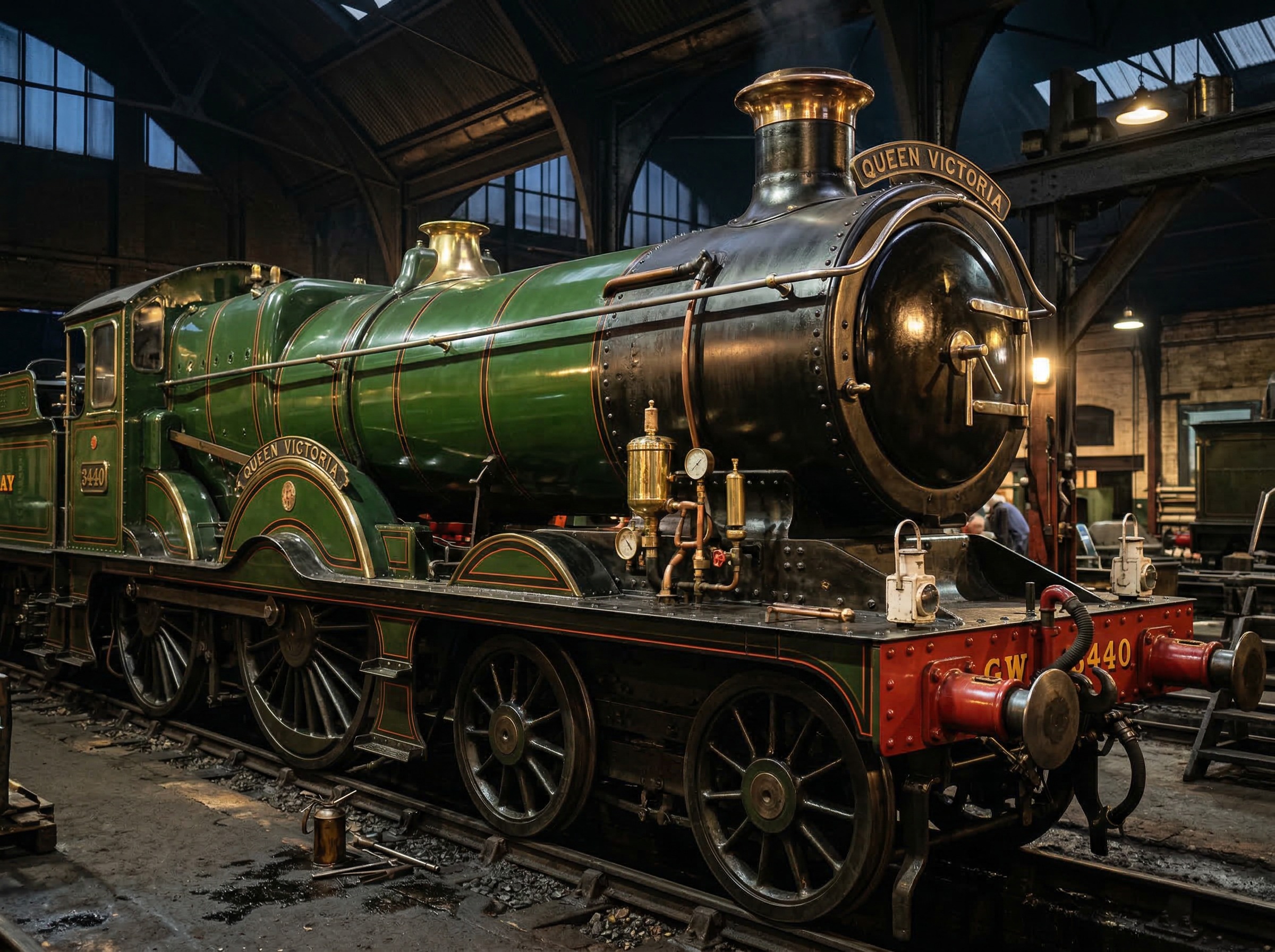
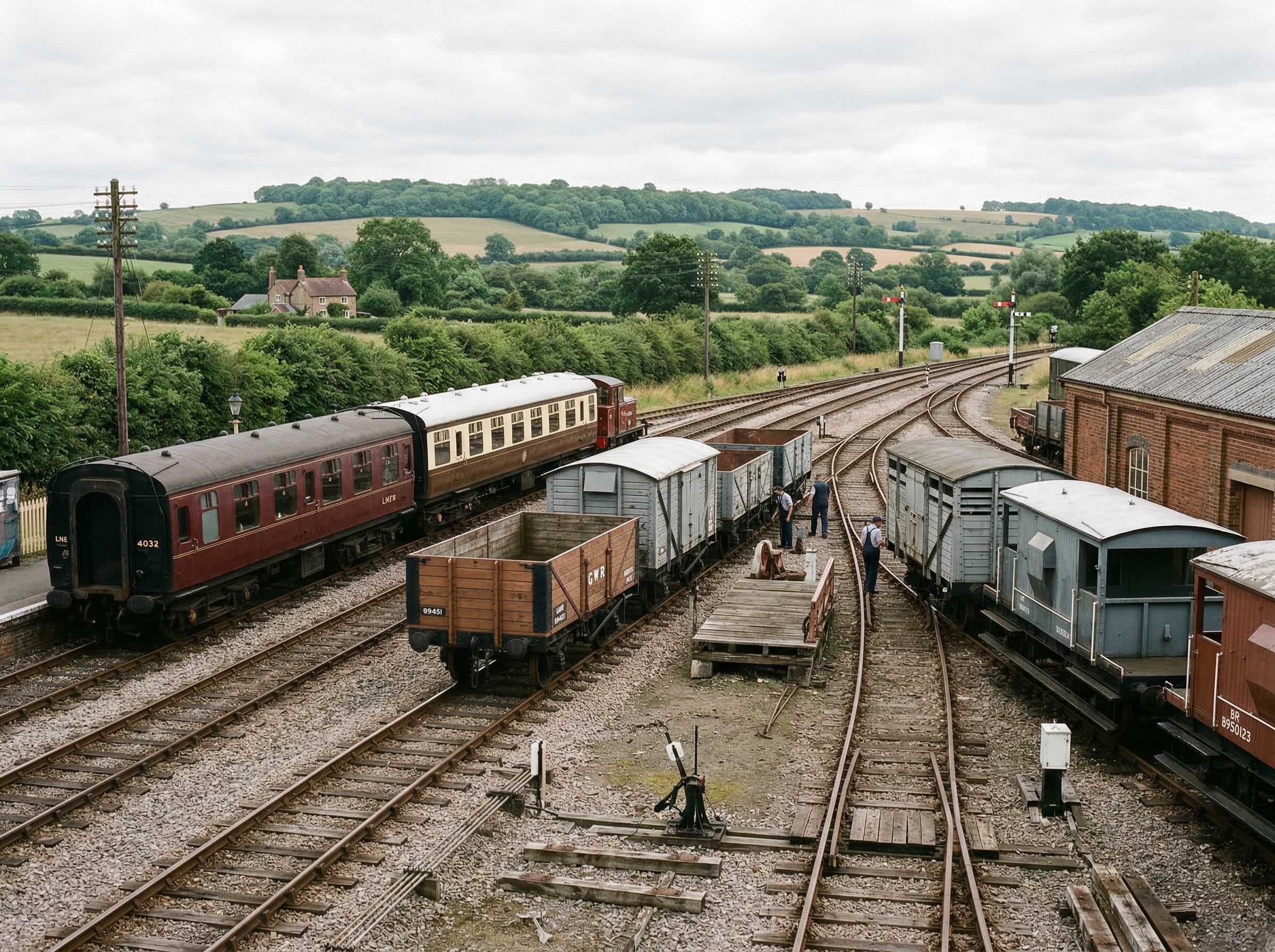
The centre houses around 170 items of locomotives and rolling stock in buildings dating from 1874 to the 1960s. Steam, diesel and industrial locomotives sit alongside elegant Pullman coaches, goods wagons and brake vans spanning more than a century of British railway history.
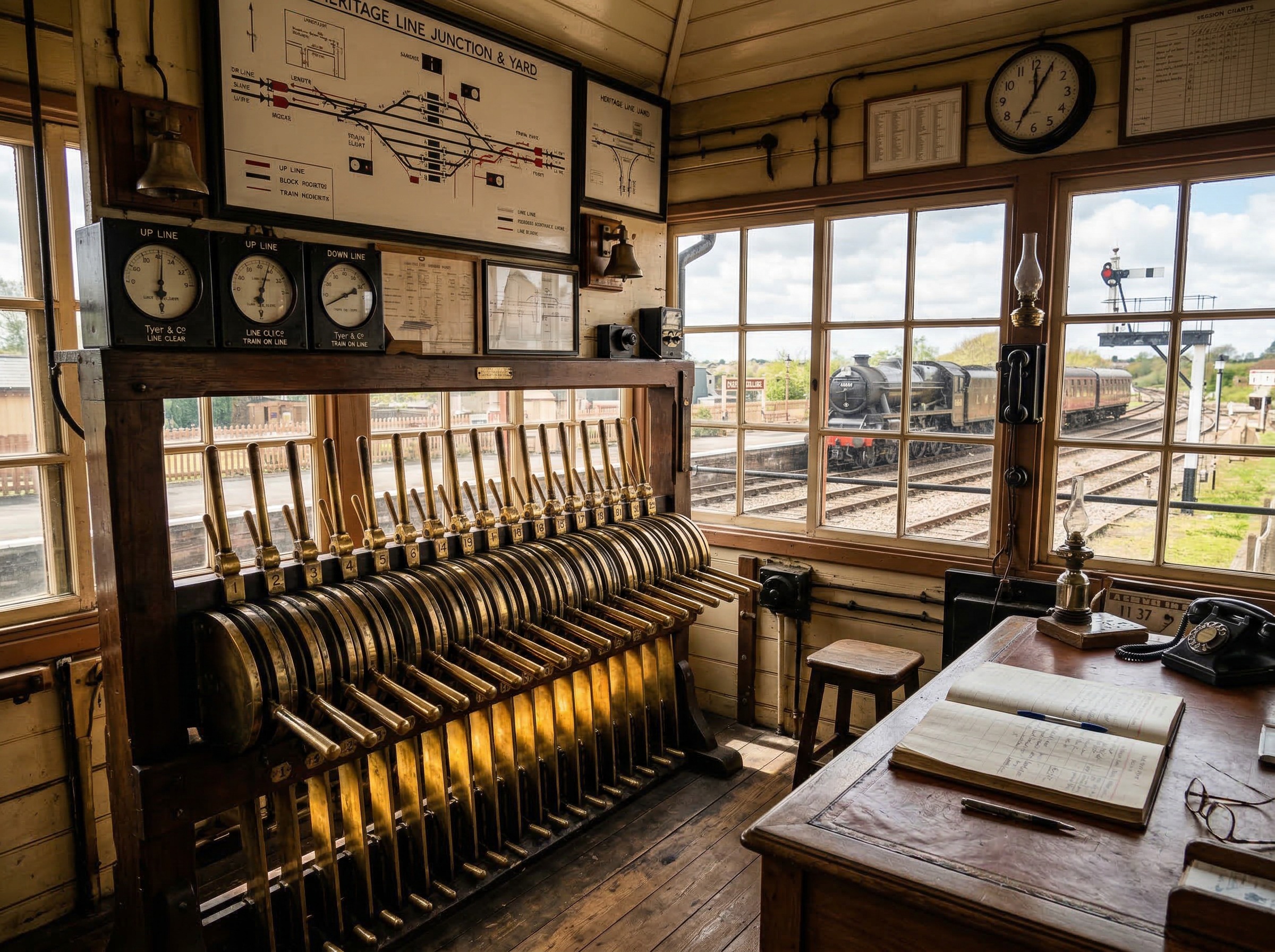
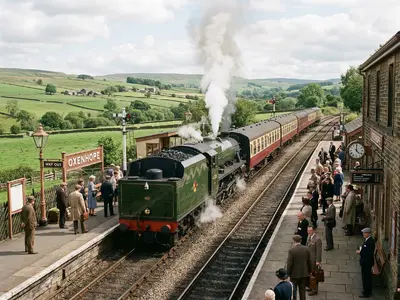
Among the highlights is the Rewley Road signal box, a beautifully preserved Victorian structure originally from Oxford, complete with its working lever frame. Several locomotives have been restored to full working order and regularly haul passenger trains on steaming days, giving visitors the chance to experience the sights, sounds and smells of the steam age first-hand.
The 25-acre site also includes a miniature railway, a one-third-scale replica of the Rocket, and an extensive collection of railway signage, equipment and memorabilia housed in the Visitor Centre.
The centre runs a packed calendar of special events throughout the year. The Day Out With Thomas weekends are perennially popular with families, while enthusiast galas bring visiting locomotives from other heritage railways. Seasonal events include Santa Specials in December and vintage vehicle rallies in summer.
On standard steaming days visitors can ride behind a steam locomotive, explore the signal box, browse the gift shop and enjoy home-cooked food in the Railway Café. The café and shop are also open on weekday mornings without an entry ticket — handy if you just want a bacon roll and a browse. Check the website before visiting, as the centre is not open every weekend and the programme varies by season.
Special event days carry a surcharge — check the website for current prices
The centre only opens fully on steaming days and special events — not every weekend. Check the website to avoid a wasted journey.
Popular events like Day Out With Thomas sell out and car parks fill early. Arrive at opening time for the best experience.
The 25-acre site includes gravel paths, grass areas and railway trackbed. Sturdy shoes or wellies are a good idea, especially after rain.
There are picnic tables dotted around the grounds with lovely countryside views. The café is good but can get busy on event days.
Between the train rides, locomotive sheds, signal box and miniature railway, there is more to see than you might expect from a first glance.

London Travel Writer · 12+ years covering UK attractions and tourism
Last reviewed: March 10, 2026