Bethlem Museum of the Mind
Free museum at the historic Bethlem Royal Hospital — exploring 770 years of mental health care through art, archives and artefacts
Free museum at the historic Bethlem Royal Hospital — exploring 770 years of mental health care through art, archives and artefacts
Bethlem Royal Hospital — the original "Bedlam" — has been treating mental illness since 1247, making it the oldest psychiatric institution in the world. Its museum, opened in 2015 by artist Grayson Perry, holds an extraordinary collection spanning nearly eight centuries of care, confinement and recovery.
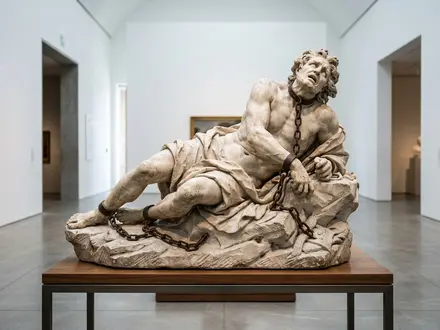
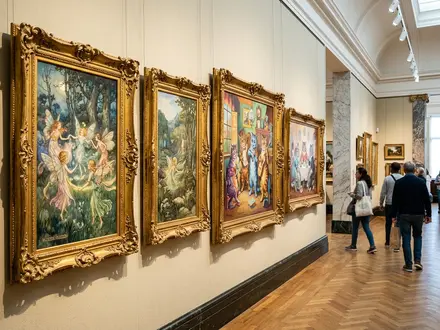
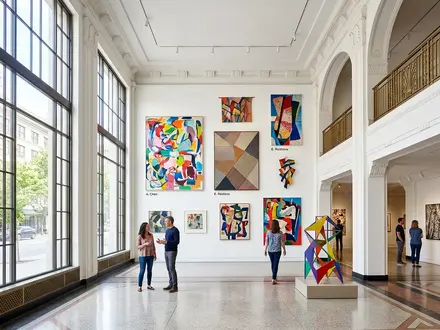
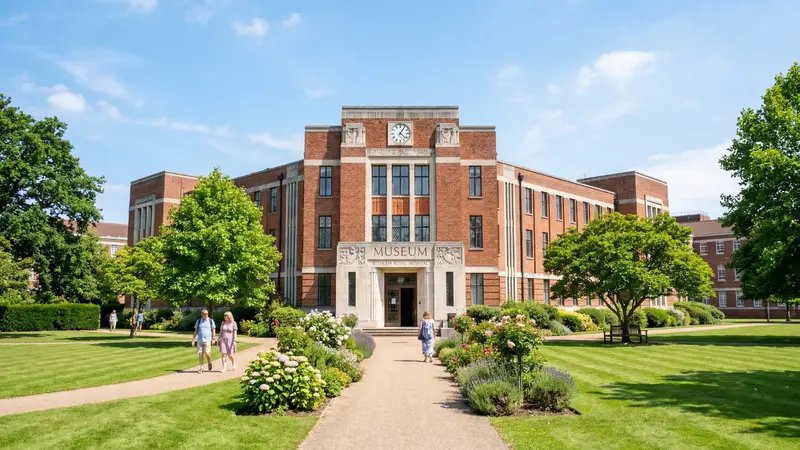
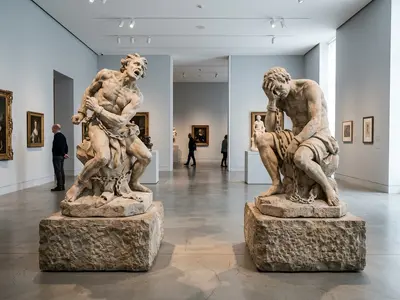
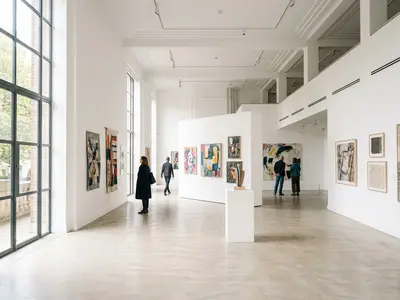
Visitors can see Caius Gabriel Cibber's 1676 sculptures of Raving and Melancholy Madness, artworks by former patients Richard Dadd and Louis Wain, and archives stretching back to the 1550s. The museum sits in a handsome Art Deco building on the hospital's green Beckenham grounds, shared with the Bethlem Gallery of contemporary art.
Bethlem Royal Hospital traces its origins to 1247, when Simon FitzMary, an alderman of the City of London, granted land outside Bishopsgate for a priory dedicated to St Mary of Bethlehem. By the fourteenth century it was caring for the mentally ill, and by the seventeenth century the name "Bedlam" had become synonymous with chaos and disorder. The hospital moved to a grand Robert Hooke building in Moorfields in 1676, then to St George's Fields in Southwark in 1815, and finally to its current 200-acre site in Beckenham in 1930.
The museum itself was established by the Bethlem Art and History Collections Trust, a charity founded in 1970 to preserve the hospital's remarkable archives and art collection. After decades of limited access, the collection was given a permanent public home in a refurbished Art Deco building on the hospital grounds, formally opened by Grayson Perry in March 2015.
The permanent displays chart the evolution of mental health care from medieval restraint to modern therapeutic approaches. Cibber's 1676 statues of Raving and Melancholy Madness are the centrepiece — two powerful figures originally positioned at the Moorfields gates to solicit donations from passers-by. Nearby, works by Richard Dadd, whose intensely detailed fairy paintings were created during over four decades of confinement, hang alongside Louis Wain's progressively abstract cat illustrations.
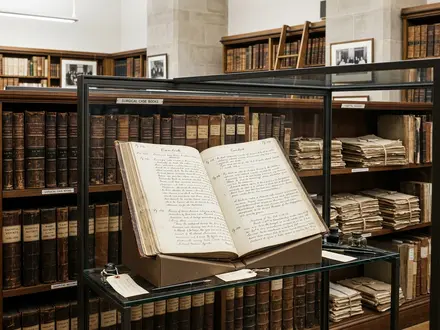
The archives section holds records dating from the 1550s, including patient casebooks, administrative ledgers and medical registers that reveal shifting attitudes to diagnosis and treatment. Temporary exhibitions, staged three times a year, explore the intersection of art, creativity and mental health. The adjacent Bethlem Gallery showcases contemporary work by artists connected to the South London and Maudsley NHS Foundation Trust.
The hospital sits within 200 acres of green space in Beckenham, a peaceful setting that feels far removed from central London. The grounds include mature woodland, open meadows and a community farm, and are open to walkers. Several cafes operate on site, though hours and payment methods vary — the main restaurant is open weekdays only and accepts cards, while the community centre cafe takes cash.
Beckenham Place Park, a restored Georgian parkland with a swimming lake and cafe, is a short drive or bus ride away. The centre of Beckenham itself has independent shops and restaurants along the high street, reachable in ten minutes by bus from the hospital.
Admission is free — the museum relies on donations to remain open to all visitors
The museum is only open Wednesday to Saturday. Monday and Tuesday are reserved for pre-booked group visits, and Sundays are closed entirely.
The hospital sits in 200 acres of green space with woodland walks and meadows. Bring comfortable shoes and enjoy the parkland after your museum visit.
The main restaurant is closed on Saturdays and accepts cards only. The community centre cafe takes cash only. Check which is open before relying on lunch on site.
The contemporary art gallery shares the same building and is free to enter. Exhibitions change regularly and feature work by artists with lived experience of mental health care.
If walking from Eden Park station feels too far, the 356 bus runs directly to the hospital gates. It saves a fifteen-minute walk along Monks Orchard Road.

London Travel Writer · 12+ years covering UK attractions and tourism
Last reviewed: June 2, 2026