Bentley Wildfowl and Motor Museum
A Sussex estate where over 1,000 wildfowl roam free alongside vintage cars — set in 23 acres of formal gardens and parkland
A Sussex estate where over 1,000 wildfowl roam free alongside vintage cars — set in 23 acres of formal gardens and parkland
Gerald and Mary Askew bought Bentley House in 1937, and after the war began transforming its grounds into something unusual — a place where rare wildfowl and vintage motor cars would share the same Sussex estate. Inspired by a visit to Peter Scott's Wildfowl Trust at Slimbridge in 1962, the Askews dug ponds in the parkland and started collecting waterfowl. Within a decade, Bentley held one of the largest private wildfowl collections in Britain.
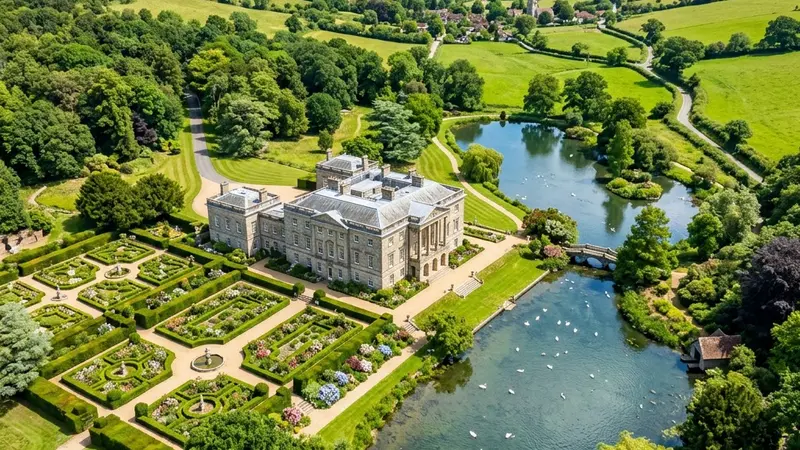
Today the estate covers 23 acres and is home to over 1,000 birds representing 115 species, including every species of swan found in the world. A motor museum housing more than 100 veteran, Edwardian, vintage and classic vehicles was added in 1982. The house itself, remodelled in Palladian style by architect Raymond Erith, contains fine furniture, paintings and the Philip Rickman Gallery of wildfowl watercolours.
Bentley Wildfowl and Motor Museum occupies a 23-acre estate near the village of Halland, tucked into the East Sussex countryside between Lewes and Uckfield. It is one of the most unusual visitor attractions in the south of England — a place where flamingos wade past vintage Bentleys and children ride miniature steam trains through grounds designed by a Downing Street architect.
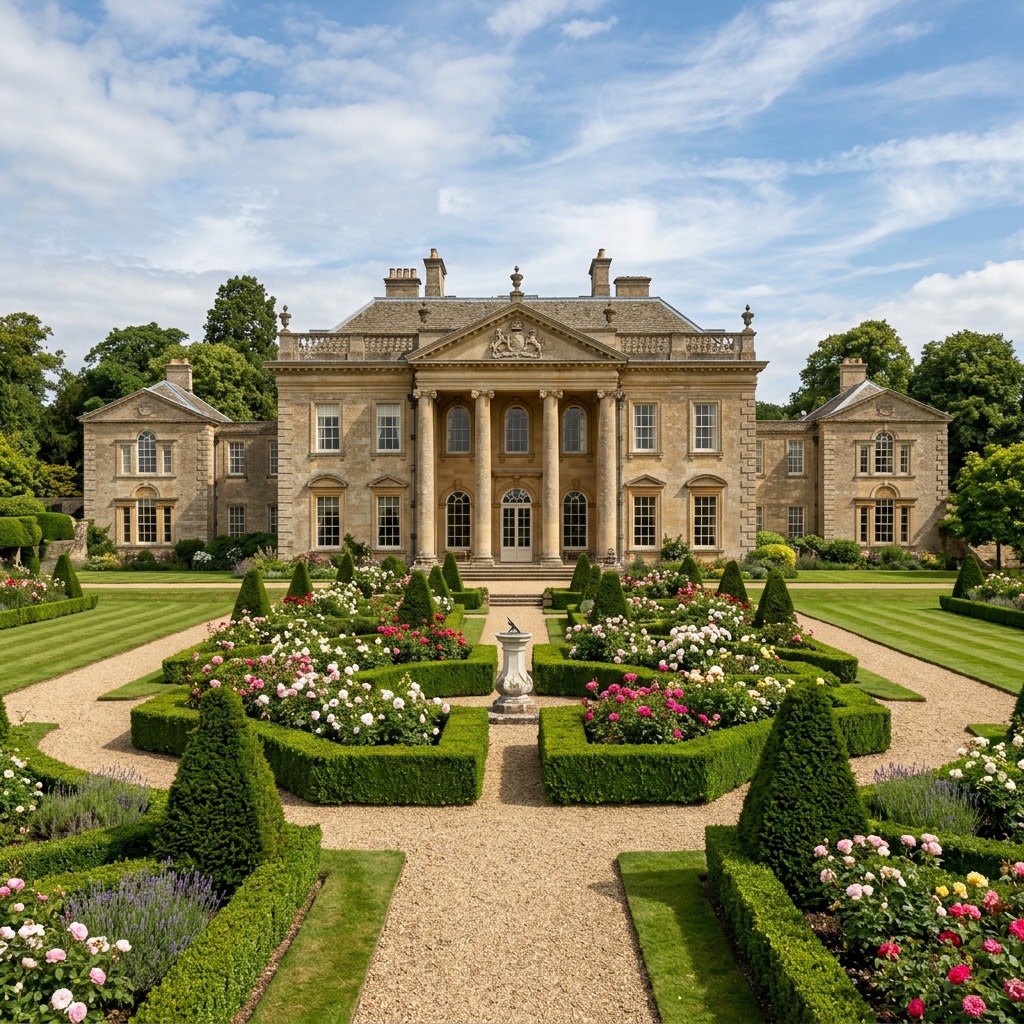
The story begins with Gerald and Mary Askew, who bought the property in 1937. After the Second World War, the couple set about transforming both house and grounds. Gerald commissioned the architect Raymond Erith — later responsible for restoring 10, 11 and 12 Downing Street — to add two Palladian wings to the original 17th-century farmhouse. The result is a handsome country house with interiors that include fine period furniture, paintings and the celebrated Chinese Room. In 1962, after visiting Sir Peter Scott's Wildfowl Trust at Slimbridge, the Askews began their wildfowl collection by digging ponds in a nearby field. Gerald died in 1970, and in 1978 his widow Mary gave the estate to East Sussex County Council, who opened it to the public.
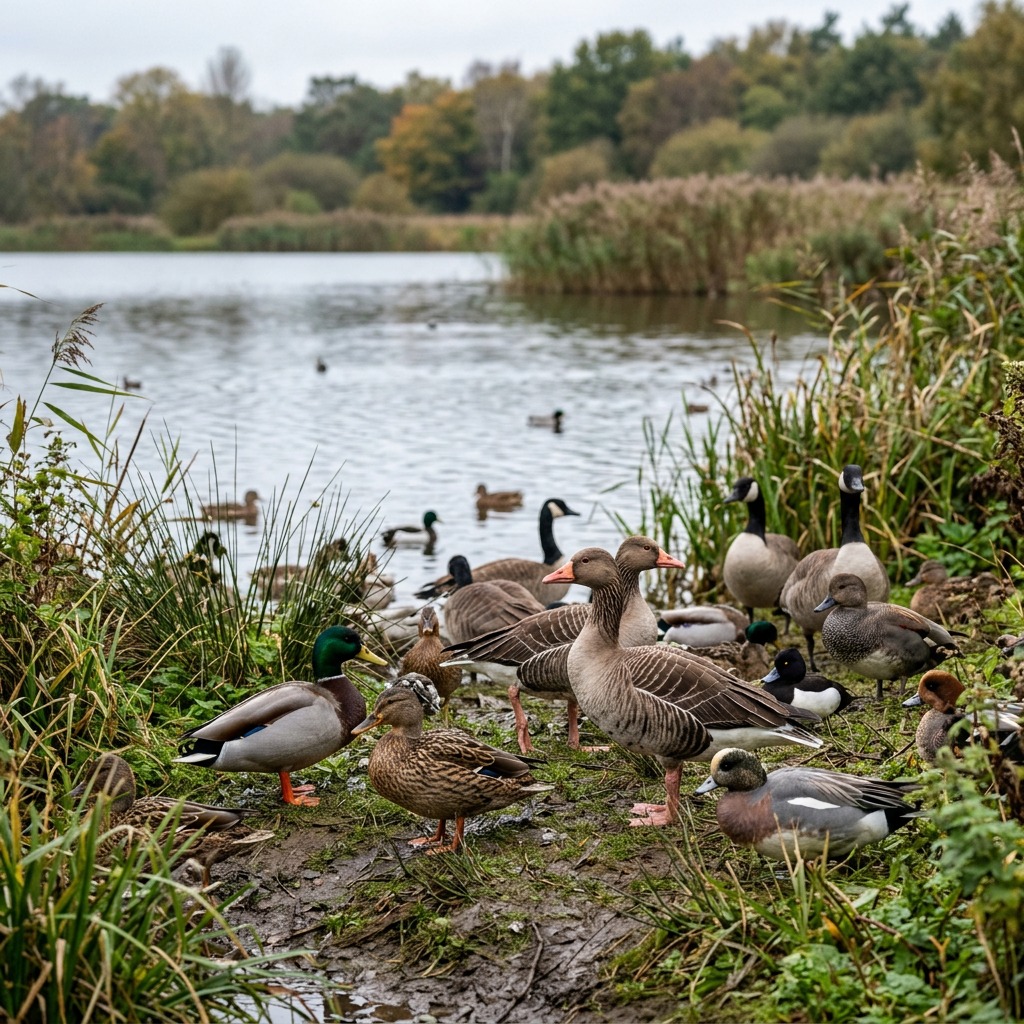
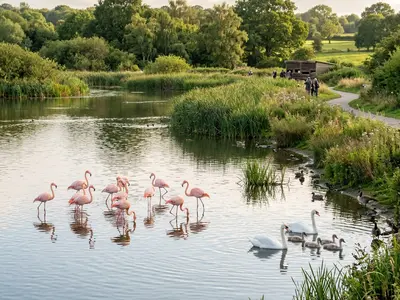
The wildfowl reserve is the heart of Bentley. Over 1,000 birds representing 115 species live across the estate's lakes, ponds and parkland. Visitors walk freely among swans, geese, ducks, flamingos and other waterfowl from six continents. Bentley is one of very few places in the world where all seven species of swan can be seen together. Spring is the best time to visit for nesting activity and newly hatched broods, though the reserve is rewarding in any season.
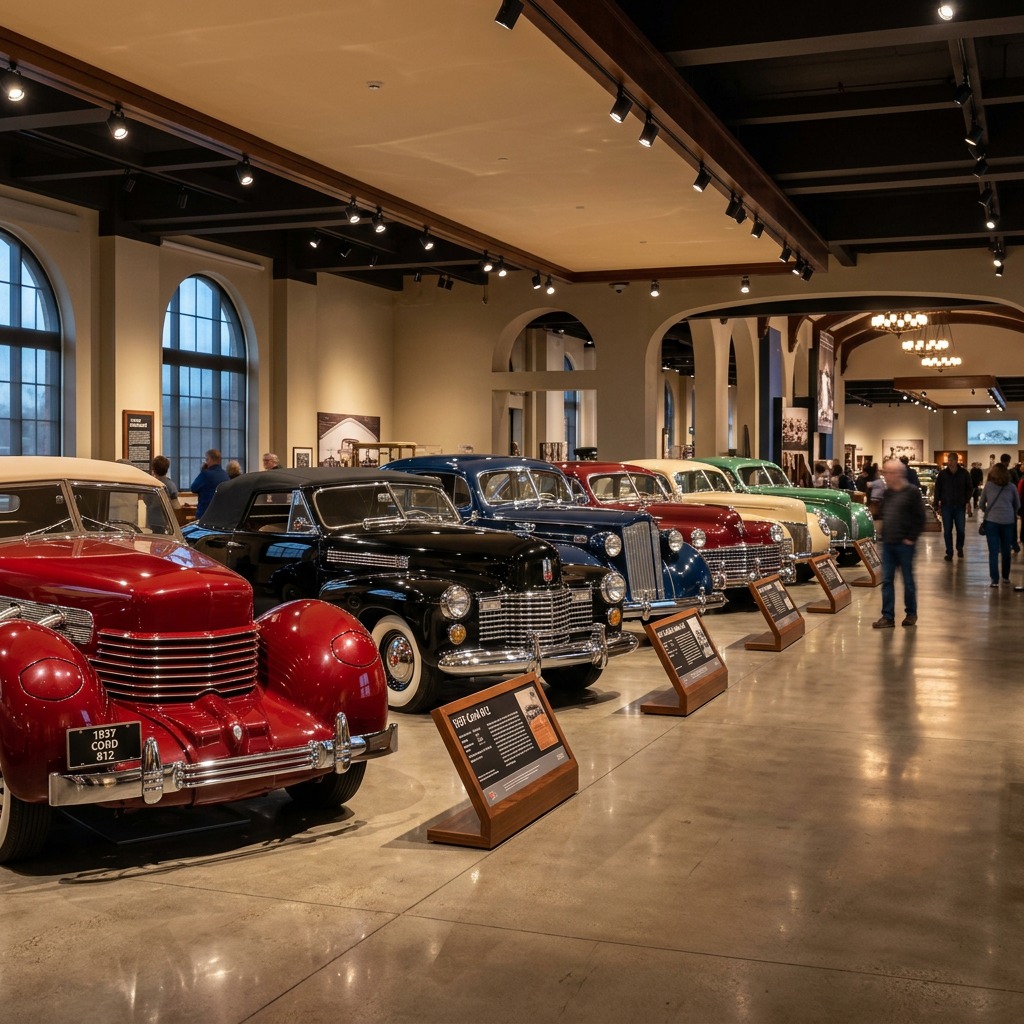
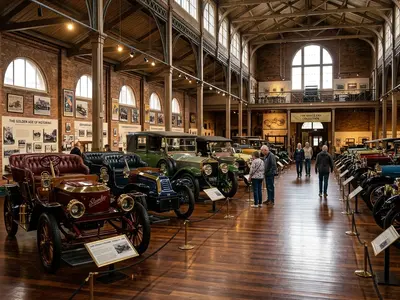
The motor museum, added in 1982, houses more than 100 vehicles in a purpose-built hall. Unlike many motor collections, most cars here are privately owned and on loan, so the display changes regularly. Exhibits span the full history of motoring, from veteran and Edwardian machines through vintage tourers to post-war classics and motorcycles. The collection is well presented with informative panels explaining the significance of each vehicle.
The formal gardens were designed as a sequence of outdoor rooms divided by tall yew hedges. Each room has its own character — a white garden, a blue garden, and a rose garden devoted to heritage varieties including Bourbons, Gallicas and Damasks. The Philip Rickman Gallery, housed inside Bentley House, displays over 150 watercolour paintings of wildfowl by the Sussex artist who first inspired Gerald Askew's passion for birds.
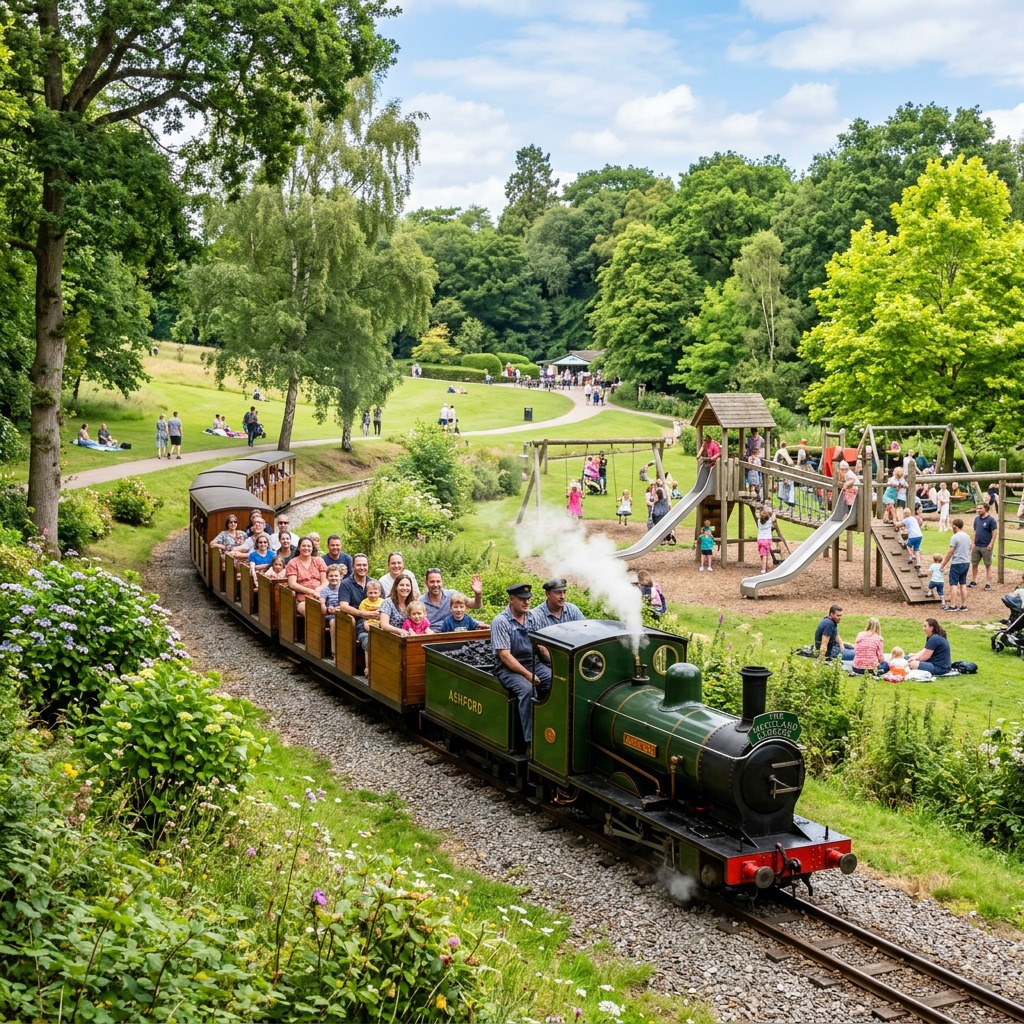
Bentley is a particularly good choice for families. The miniature steam railway runs through the grounds on weekends and bank holidays from Easter to September, with additional services on Wednesdays in August. A large adventure playground keeps younger children occupied, while the woodland trail and indoor discovery trail offer quieter activities. The tearoom serves light lunches, cakes and drinks, and there are generous picnic areas across the grounds.
The estate is open seasonally from mid-March to late October, daily from 10:30am. Allow three to four hours for a comfortable visit covering the wildfowl reserve, motor museum, house and gardens. The grounds are largely flat and accessible, though some paths around the lakes can be muddy after rain. Bentley sits about 60 miles from central London, making it a feasible day trip by car or a rewarding stop on a longer tour of the Sussex countryside.
Prices are a guide and may vary — check the official website for current admission charges before visiting. The miniature railway runs weekends and bank holidays from Easter to September, weather permitting.
April and May are the best months to see nesting wildfowl and newly hatched chicks. The reserve is at its liveliest and the gardens are in full bloom.
The miniature steam railway only runs on weekends and bank holidays from Easter to September, plus Wednesdays in August. Confirm running days before you visit if the train is a priority.
Paths around the lakes and through the woodland trail can be muddy after rain. Sturdy shoes or wellies are a good idea, especially in spring and autumn.
While many birds are at close quarters, binoculars help you spot species on the far side of the lakes and pick out detail on the rarer waterfowl.
Between the wildfowl reserve, motor museum, house, gardens and playground, there is enough here for a full half-day. Budget time for the tearoom too.

London Travel Writer · 12+ years covering UK attractions and tourism
Last reviewed: March 10, 2026