Bank of England Museum
Three centuries of British banking history beneath Threadneedle Street — gold bars, rare banknotes and a stunning Soane interior
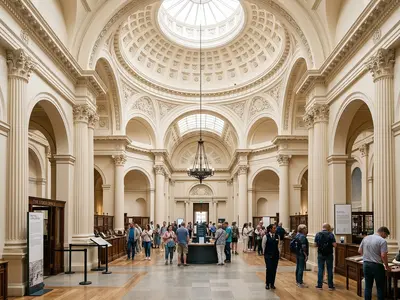
Three centuries of British banking history beneath Threadneedle Street — gold bars, rare banknotes and a stunning Soane interior
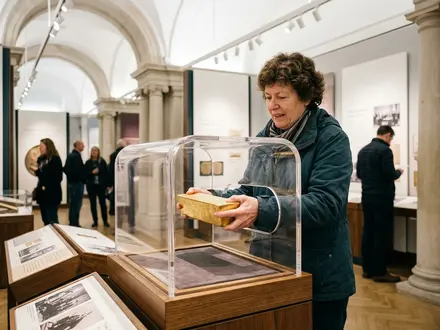
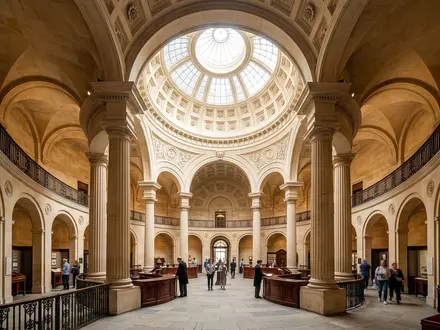
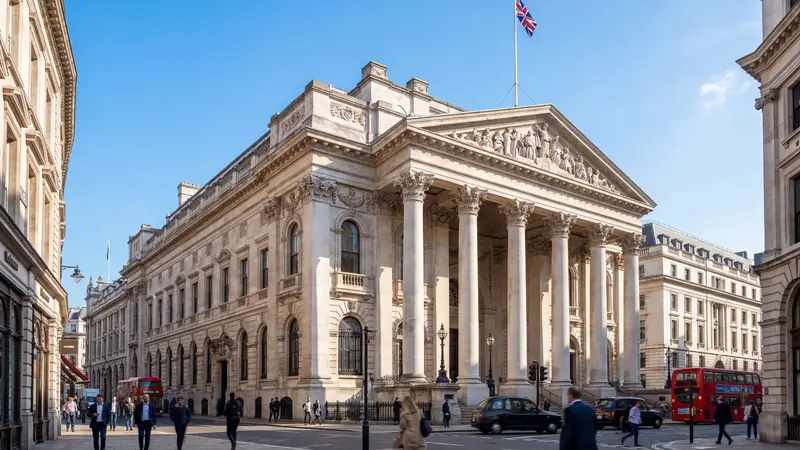
Tucked behind the Bank of England's imposing Threadneedle Street facade, this free museum lets visitors lift a genuine 13-kilogram gold bar worth over £500,000 and trace 330 years of British monetary history. The centrepiece is a faithful reconstruction of the Stock Office designed by Sir John Soane, the architect who shaped the Bank for 45 years.
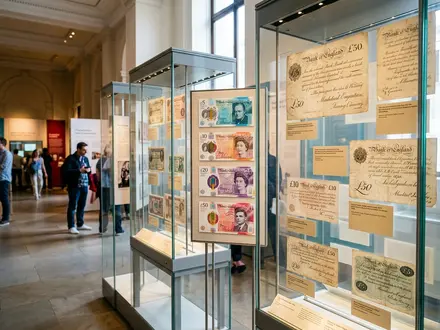
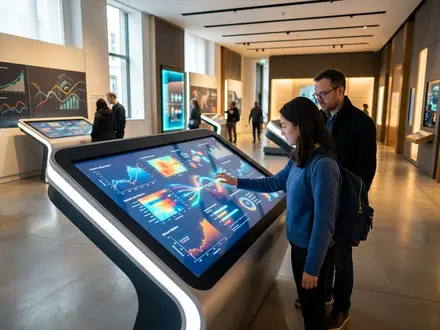
Galleries cover everything from the earliest handwritten banknotes of 1694 to modern monetary policy, with interactive displays explaining inflation, interest rates and how the Bank maintains financial stability. The collection spans over 40,000 objects including Roman gold, Georgian silver and anti-counterfeiting technology.
The Bank of England was founded in 1694 by Royal Charter to fund the war against France, making it one of the oldest central banks in the world. It operated from rented rooms on Cheapside before moving to Grocers' Hall and finally settling on Threadneedle Street in 1734. The museum opened in 1988, the year the Bank celebrated the tercentenary of the Glorious Revolution, and occupies a series of rooms within the Bank's headquarters.
The building itself has a dramatic architectural history. Sir John Soane served as the Bank's architect from 1788 to 1833, transforming it into a self-contained fortress covering 3.25 acres — an island site enclosed by windowless walls. His elegant neoclassical interiors were considered masterpieces, which made their demolition during Herbert Baker's controversial 1920s reconstruction one of the greatest losses in British architectural history. Sir Nikolaus Pevsner called it "the greatest architectural crime, in the City of London, of the twentieth century."
The museum's centrepiece is the reconstructed Stock Office, a domed banking hall that faithfully recreates Soane's original 1790s design. The space demonstrates his mastery of natural light and classical proportion, with a lantern dome flooding the room with daylight in the way Soane originally intended.
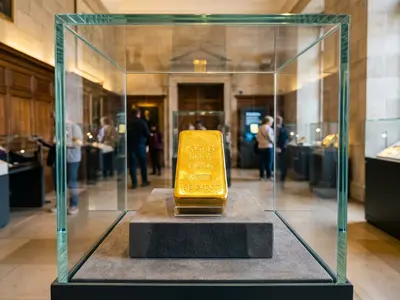
The Banknote Gallery traces currency from the Bank's earliest handwritten notes through to modern polymer designs. Visitors can examine forgeries, printing plates and the security features that have evolved to combat counterfeiting over three centuries. A genuine gold bar sits in a perspex case nearby, and visitors are encouraged to reach in and try to lift its 13 kilograms — a surprisingly difficult task that brings the density of gold to life.
Interactive displays in the Modern Economy section explain how the Bank sets interest rates and manages inflation. Touchscreens let visitors simulate monetary policy decisions, while clear visual panels explain quantitative easing and financial regulation. Temporary exhibitions rotate throughout the year, often exploring themes from economic history to the design of banknotes.
The museum sits at the heart of the City of London's financial district, surrounded by historic and modern landmarks. The Royal Exchange, directly opposite, now houses luxury shops and restaurants and makes a good stop for coffee. The Guildhall Art Gallery and its Roman amphitheatre are a five-minute walk north, while the Monument to the Great Fire of London is six minutes south.
St Paul's Cathedral is a ten-minute walk west along Cheapside, and Leadenhall Market — the ornate Victorian covered market that doubled as Diagon Alley in the Harry Potter films — is just four minutes east. The museum has a small shop selling books, prints and Bank-themed souvenirs. Every third Thursday of the month, the museum stays open until 8pm for Museum Lates, offering a quieter evening visit with last entry at 7:30pm.
Entry is completely free with no ticket or booking required — simply walk in during opening hours
The museum is only open Monday to Friday, so plan accordingly. Mornings tend to be quieter than lunchtimes, when City workers often pop in during their break.
Every third Thursday of the month the museum stays open until 8pm. These evening sessions are less crowded and offer a relaxed way to explore the galleries.
The 13-kilogram gold bar is heavier than it looks. Use both hands and brace yourself — the weight is concentrated in a very small block of incredibly dense metal.
The Guildhall Art Gallery and its Roman amphitheatre are free and a five-minute walk away. Together they make an excellent free morning in the City of London.
The museum occasionally closes for private events or maintenance. Check the Bank of England website on the day of your visit to confirm opening hours and any closures.

London Travel Writer · 12+ years covering UK attractions and tourism
Last reviewed: March 9, 2026