1066 Battle of Hastings, Abbey and Battlefield
English Heritage site in Battle, East Sussex — walk the battlefield where Harold fell and explore the abbey William built to atone for it
English Heritage site in Battle, East Sussex — walk the battlefield where Harold fell and explore the abbey William built to atone for it
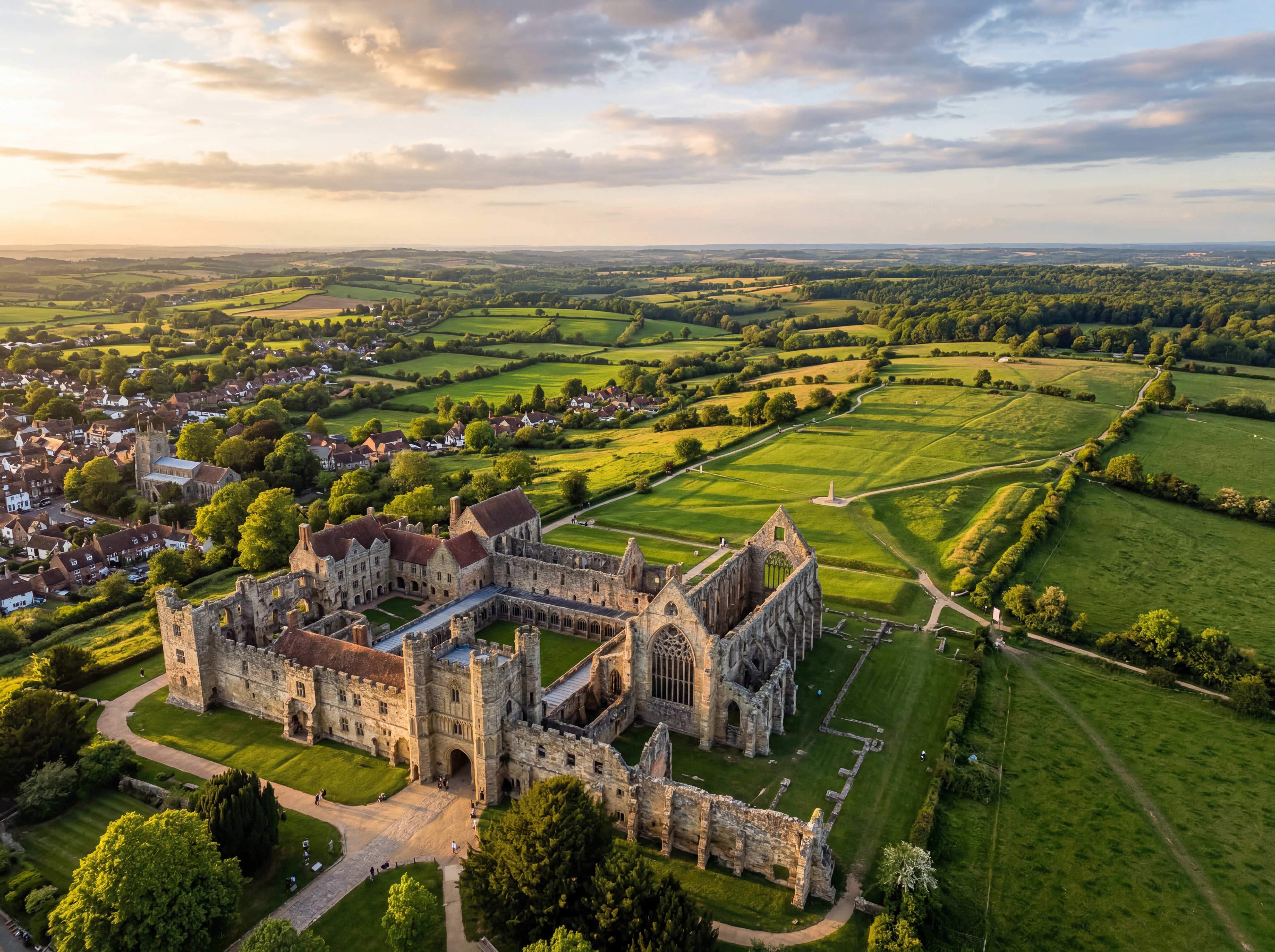
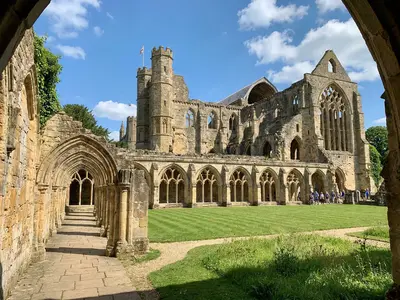
On 14 October 1066, the army of William, Duke of Normandy, met King Harold's English forces on a ridge just outside what is now the town of Battle. The outcome changed the course of English history. The abbey that William founded on this site soon afterwards still stands in partial ruin, its high altar said to mark the exact spot where Harold fell.
Today the site is managed by English Heritage and includes the abbey ruins, a battlefield walk with audio tour, an interactive visitor centre and the imposing 14th-century gatehouse. Between the medieval architecture and the rolling Sussex countryside, it is one of the most evocative historic sites in England.
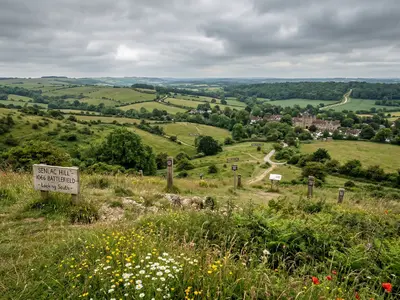
The events of 14 October 1066 need little introduction. When Harold Godwinson's exhausted army — fresh from defeating a Norwegian invasion at Stamford Bridge — took up position on Senlac Hill, they faced a well-rested Norman force of around 7,000 infantry, cavalry and archers. The English held the high ground in a tight shield wall, but after a day of fierce fighting and feigned retreats, the Norman cavalry broke through. Harold was killed, his army scattered, and within weeks William was crowned at Westminster Abbey.
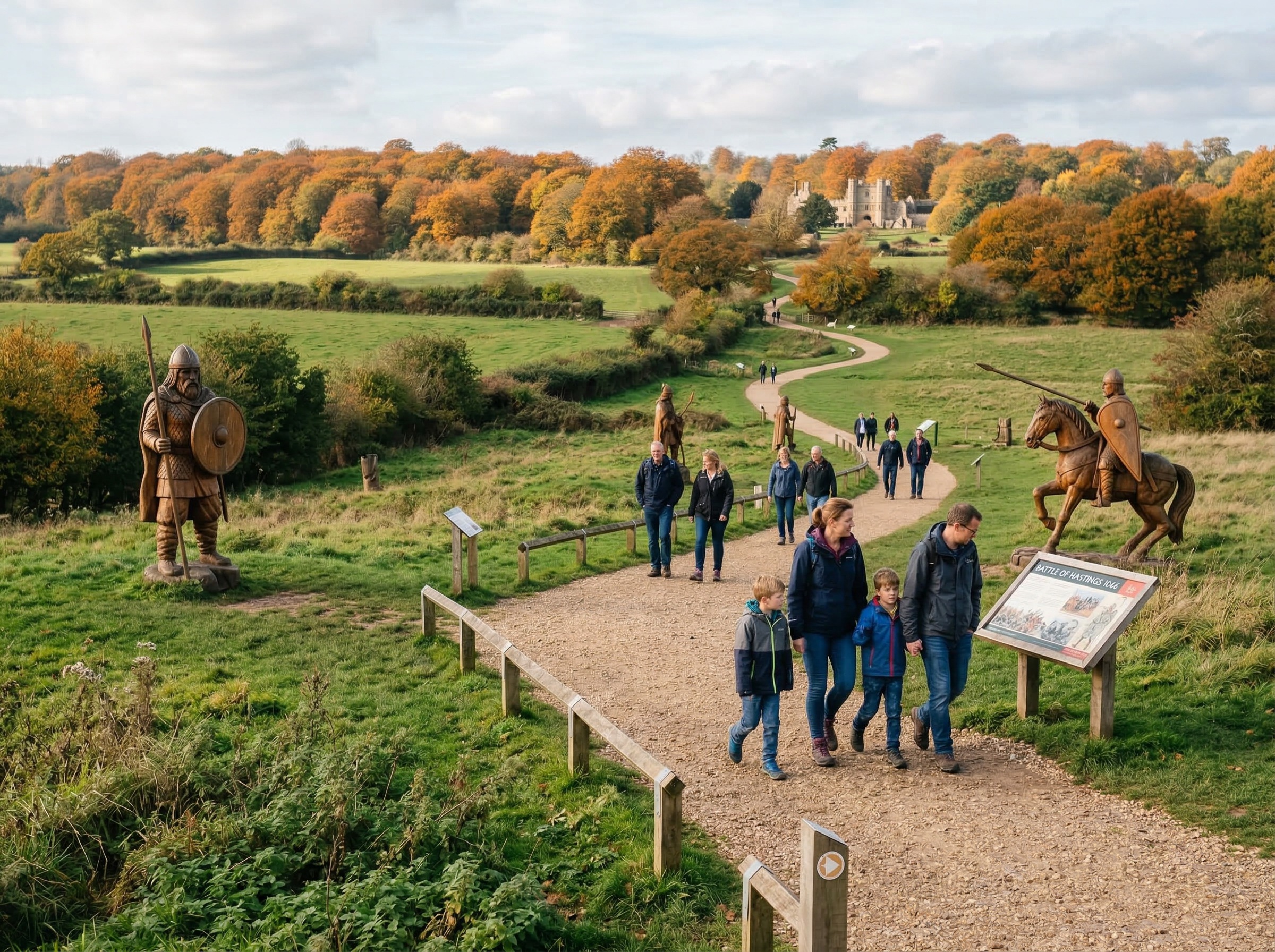
The battlefield has changed surprisingly little. The ridge where Harold's forces formed their line is still clearly visible, and the slope the Norman cavalry charged up remains open ground. Walking the site with the audio tour, which is included in the admission price, gives a vivid sense of the terrain and the tactical choices both commanders made.
William founded the abbey around 1071, reportedly as penance ordered by the Pope for the bloodshed of the Conquest. The high altar of the abbey church was placed on the spot where Harold fell — or so tradition holds. The Benedictine community that grew here became one of the wealthiest in Sussex, and the abbey's estates stretched across the county.
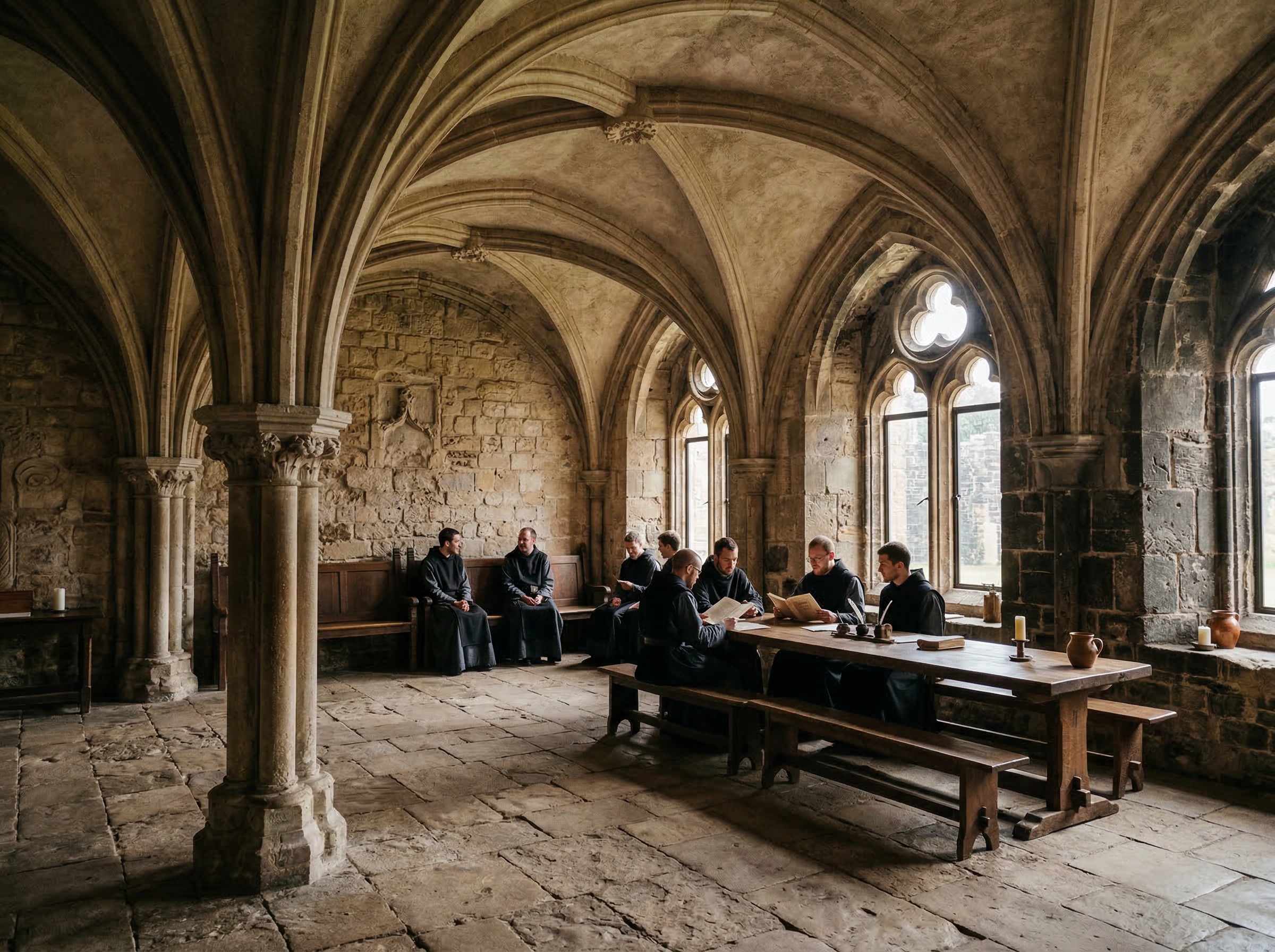
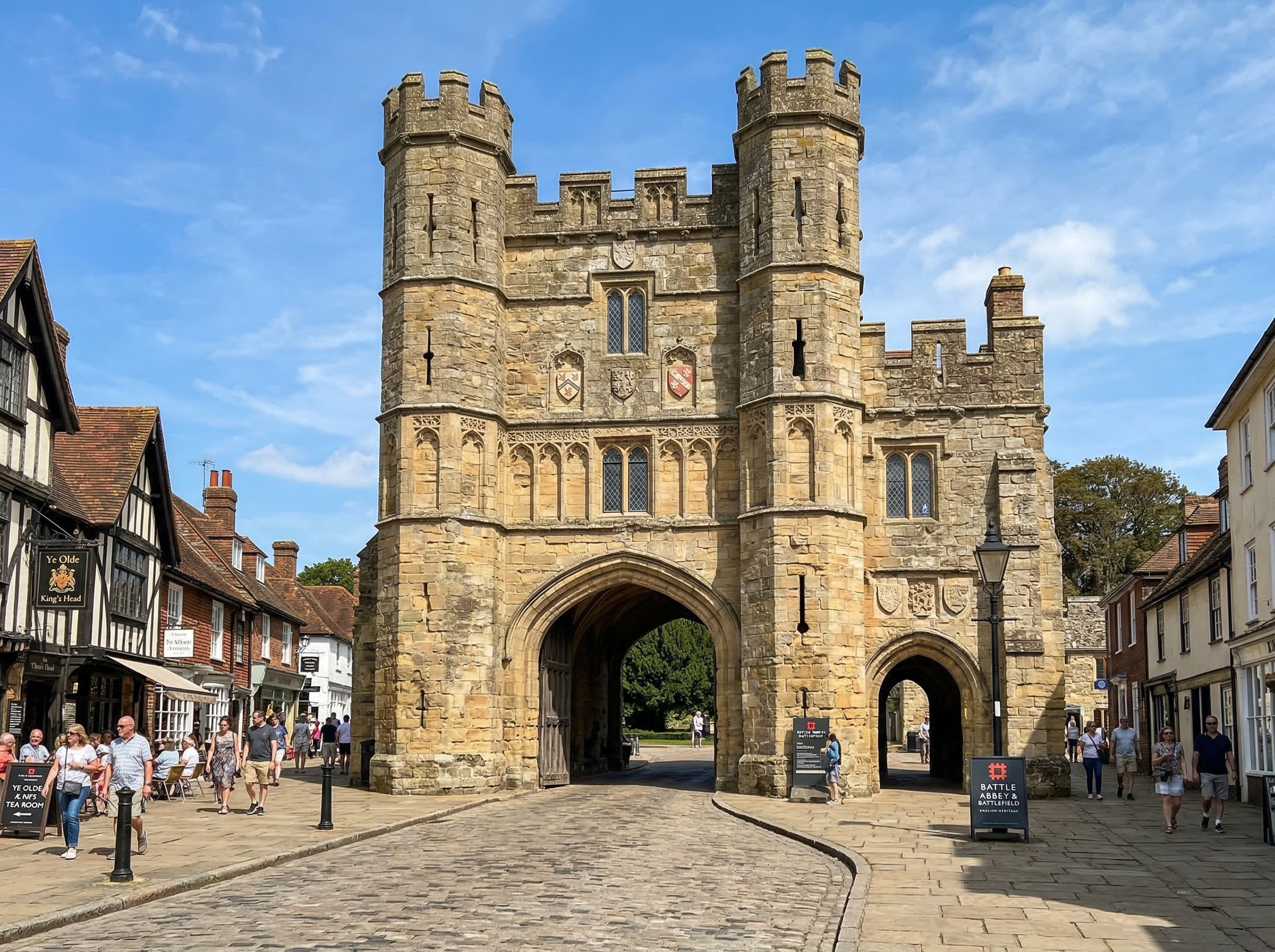
What survives today is substantial: the 13th-century dormitory undercroft with its elegant rib vaulting, the novices' common room, and long sections of precinct wall. The abbey church itself was demolished after the Dissolution in 1538, but its footprint is marked out on the ground. The imposing gatehouse, mostly 14th-century, dominates the south end of Battle High Street and houses an exhibition on monastic life. Climbing to the rooftop terrace rewards visitors with panoramic views across the battlefield and the Sussex Weald.
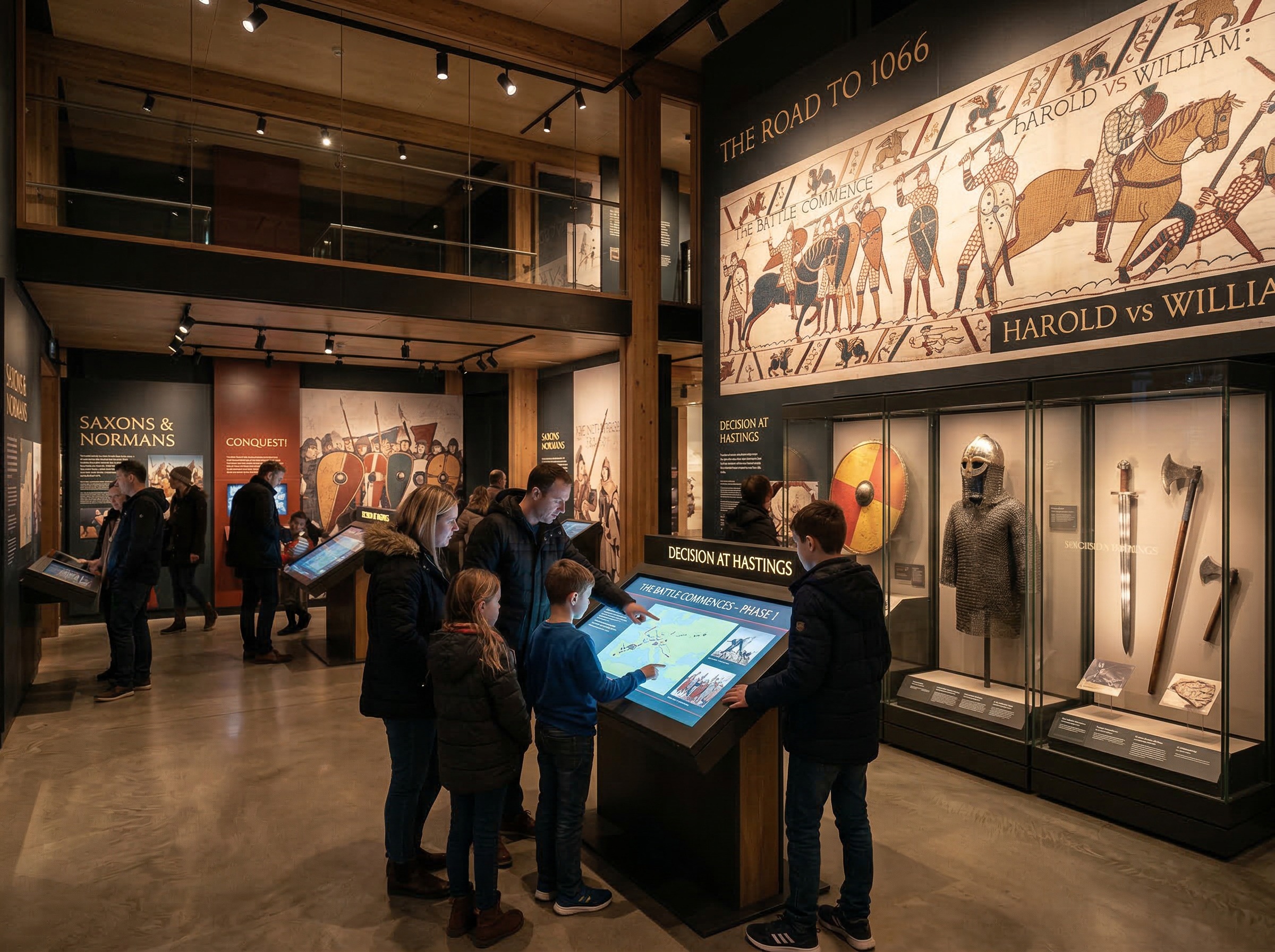
The visitor centre is the natural starting point. A short film and interactive displays cover the political crisis that led to 1066, the three-way succession struggle, and the course of the battle itself. From there, collect your audio guide and walk the battlefield trail. The full circuit takes 30 to 40 minutes over uneven grassland, so sturdy footwear is advisable; a shorter loop of 15 to 20 minutes covers the key viewpoints on flatter ground.
Battle itself is a pleasant market town with independent shops, pubs and cafes along the High Street. The nearby town of Hastings is worth combining — the Jerwood Gallery and the remains of Hastings Castle are both within easy reach. Bodiam Castle, another English Heritage property, is a 20-minute drive away and makes an excellent companion visit. Allow a full morning or afternoon for the abbey and battlefield alone; if you combine it with the town, plan for most of the day.
Under 5s free. English Heritage members enter free. Advance online booking saves 15% on gate prices. Audio tour included in admission.
The audio guide is included in your ticket and is essential for the battlefield walk. Pick it up at the visitor centre before heading outside — first-time visitors especially benefit from the narrated route.
The full battlefield trail crosses open grassland over uneven ground that can be muddy after rain. The shorter loop is on firmer paths but walking shoes are still advisable.
Advance tickets bought through the English Heritage website are cheaper than gate prices. You can book up to 8.45am on the day of your visit and still get the discount.
The site is quietest on weekday mornings, especially outside school holidays. The battlefield walk is far more atmospheric when you have the ridge largely to yourself.
Bodiam Castle is a 20-minute drive away and another English Heritage site. The two make a full day out and English Heritage members enter both for free.

London Travel Writer · 12+ years covering UK attractions and tourism
Last reviewed: March 10, 2026