How to Arrange a Visit
Tours of the Elizabeth Tower that houses Big Ben are managed by the UK Parliament rather than a commercial ticket provider. UK residents must contact their local Member of Parliament to request a place on a guided tour. The MP's office handles the booking, and demand is consistently high, so securing a spot can take time.
The tours are free of charge but are restricted to UK residents only. This means international tourists visiting London cannot currently access the inside of the tower through the standard programme. There is no alternative public ticket system or commercial tour operator offering access.
The 334-Step Climb
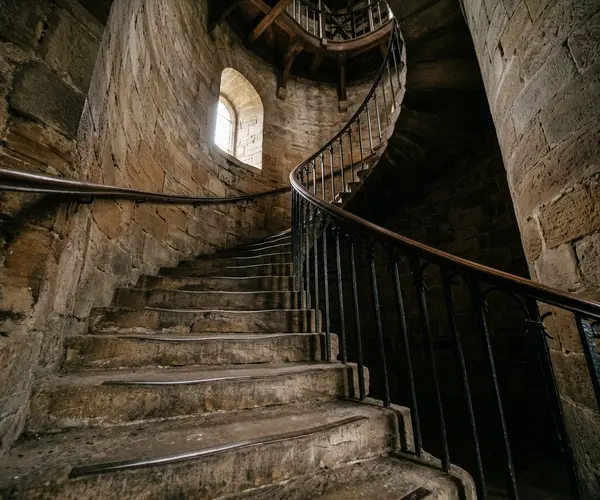
There is no lift inside the Elizabeth Tower. The entire ascent is made on foot via a narrow spiral staircase of 334 stone and cast-iron steps. The staircase is tight, and the climb is physically demanding, particularly in the upper sections where the steps become steeper and the space more confined.
Visitors need to be reasonably fit. The minimum age is 11, and anyone with mobility issues, heart conditions or severe claustrophobia is advised against attempting the climb. There are brief stopping points along the way where guides provide information about the tower's history and construction.
What You See Inside
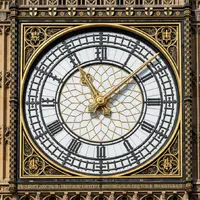
The tour passes through several distinct levels of the tower. The first major stop is the clock room, where the Victorian mechanism of the Great Clock is on display. The mechanism is a remarkable piece of 19th-century engineering, with its pendulum still regulated by the addition or removal of old penny coins to adjust the timekeeping.
Above the clock room, visitors reach the belfry level where Big Ben and the four quarter bells hang. Standing next to the Great Bell while it strikes the hour is one of the most memorable parts of the experience, though ear protection is provided for good reason. The bell, not the clock or the tower, is what the name Big Ben actually refers to. The bell produces a sound measured at around 118 decibels at close range, roughly equivalent to standing near a jet engine.
The tour does not extend to the very top of the spire, but the belfry level offers views out through the tower's louvred openings over the rooftops of Westminster.
The Tower's Interior History
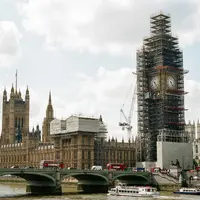
The inside of the Elizabeth Tower has changed relatively little since its completion in 1859. The original stone staircase, the iron framework, and much of the internal brickwork are Victorian originals. During the major restoration between 2017 and 2022, the interior was cleaned and repaired, but the fundamental character of the space was preserved.
One notable feature is a small prison room at the base of the tower. The last person held there was Emmeline Pankhurst, the suffragette leader, in 1902. The room is now part of the tour route and serves as a reminder of the tower's varied history beyond timekeeping.
Why Access Is So Limited
The restrictions exist for practical reasons. The narrow staircase can only accommodate small groups safely, and the tower is part of a working parliamentary estate with significant security requirements. Running large-scale public tours would create logistical problems for the daily operations of Parliament.
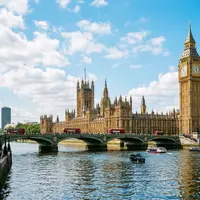
There have been periodic discussions about widening access, particularly for international visitors, but no changes have been implemented. For now, overseas tourists can admire the tower from the outside, hear Big Ben strike, and enjoy views of the exterior from Westminster Bridge and Parliament Square.