The Bell, the Tower and the Clock
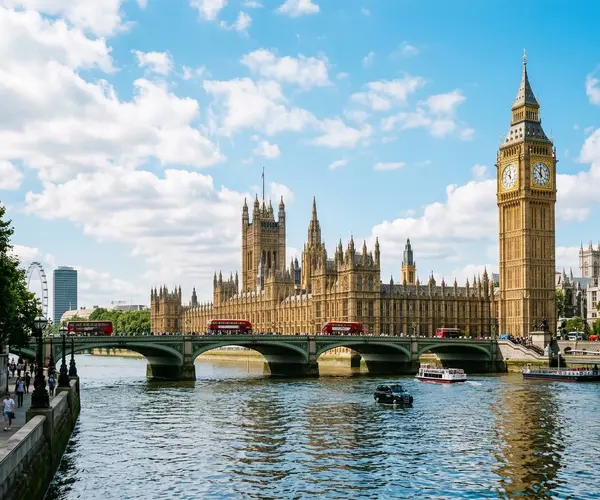
Three distinct elements make up the structure tourists see at the north end of the Palace of Westminster, and each one has its own official name. The confusion between them is one of London's most widespread mix-ups, but the distinction is straightforward once you know what each term refers to at Big Ben.
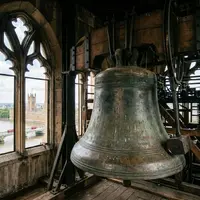
Big Ben is the bell. More precisely, it is the nickname for the Great Bell, a 13.7-tonne bronze bell that hangs in the belfry near the top of the tower. It was cast at the Whitechapel Bell Foundry and first rang on 11 July 1859. The bell is responsible for the deep, resonant bong heard on the hour. It cracked within weeks of its first use and has never been repaired, which gives it its characteristic slightly imperfect tone.
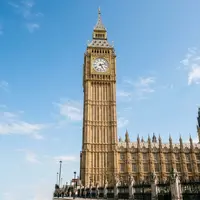
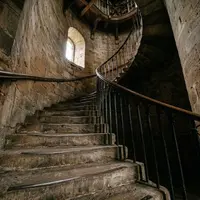
Elizabeth Tower is the tower. The Gothic Revival structure stands 96 metres tall and was completed in 1859 as part of Charles Barry and Augustus Pugin's design for the rebuilt Palace of Westminster. It contains 334 steps, the clock mechanism, the belfry, and a small former prison room at its base.
The Great Clock of Westminster is the clock. Four clock faces, each 7 metres in diameter, are mounted on the four sides of the tower. The Victorian mechanism behind them was designed by Edmund Beckett Denison and continues to operate with remarkable accuracy, fine-tuned by the placement of old penny coins on the pendulum.
Why Was the Tower Renamed?
For 153 years, from 1859 until 2012, the tower was officially called the Clock Tower. It had no grander title. In 2012, a parliamentary motion proposed renaming it the Elizabeth Tower to honour Queen Elizabeth II's Diamond Jubilee, marking 60 years on the throne.
The motion passed, and the Clock Tower became the Elizabeth Tower. The renaming was largely symbolic and received mixed reactions. Some felt it was a fitting tribute, while others argued that nobody would actually use the new name in everyday conversation. The sceptics were mostly right. The tower is still overwhelmingly referred to as Big Ben by the public, tourists and even many news organisations.
How the Names Get Confused
The confusion is almost entirely visual. When you look at the tower from Westminster Bridge or Parliament Square, the most prominent feature is the clock. Four massive illuminated dials catch the eye immediately. The bell is hidden behind louvred openings and cannot be seen from outside.
Since the most famous name is Big Ben and the most visible feature is the clock, people naturally connect the two. Many visitors assume Big Ben is either the clock or the tower, and tourism materials have often reinforced this by using Big Ben as a catch-all term for the entire structure.
The BBC has contributed to the naming confusion in a positive way. Since 1924, the broadcaster has transmitted the sound of Big Ben as a time signal, beamed around the world. For millions of people, the sound of Big Ben is the sound of London. But what they are hearing is the bell, not the clock and not the tower.
Does It Matter?
In practical terms, calling the whole thing Big Ben causes no real problems. Everyone knows what you mean. But understanding the correct terminology reveals something about how the structure was conceived. Barry and Pugin designed a tower. Denison designed a clock. The Whitechapel Bell Foundry cast a bell. Each element was a separate achievement, created by different people with different expertise.
Knowing the difference also helps you appreciate why Big Ben sounds the way it does. That slightly off-key tone is not a design choice. It is the result of a crack that appeared just weeks after the bell first rang in 1859 and was never fixed. The bell was rotated rather than replaced, and the sound Londoners hear today is the sound of a flaw that became a feature.