The Solstice at Stonehenge
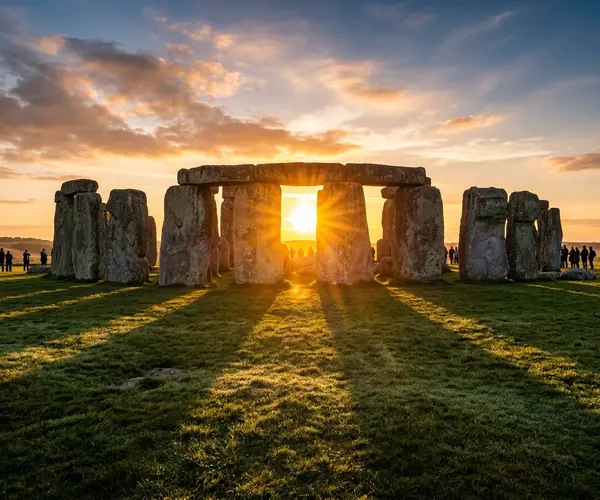
The summer solstice at Stonehenge is the longest day of the year and the moment when the sun reaches its highest point in the sky. On this date, the sunrise aligns with the Heel Stone and the central axis of the monument, sending light directly through the entrance and into the heart of the stone circle. This alignment was clearly intentional and is one of the strongest pieces of evidence that the builders of Stonehenge had a deep understanding of solar astronomy.
English Heritage, which manages the site, opens Stonehenge for free public access to mark the occasion. The event typically runs from the evening before the solstice through to the morning after, allowing people to be present for both sunset and sunrise.
What to Expect
The solstice gathering is a unique and atmospheric event. People begin arriving in the late evening, and by the early hours of the morning, several thousand people are usually present. The crowd is a diverse mix of families, tourists, modern Druids, pagans, musicians and people who simply want to experience something out of the ordinary.
As sunrise approaches, the atmosphere builds. When the sun appears over the horizon and its light strikes the stones, there is often cheering and applause. The experience of standing among the massive stones at dawn, surrounded by people who have come from all over the world, is genuinely memorable.
Walking Among the Stones
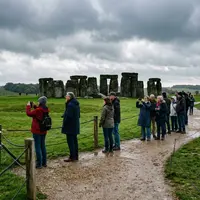
During normal visiting hours, visitors are kept at a distance from the stones by a rope barrier. The summer solstice is the main exception to this rule. During the open access period, you can walk right up to the stones, touch them and stand in the centre of the circle. For more on when and how you can touch the stones at Stonehenge, including the bookable Stone Circle Access visits, see our dedicated guide. This proximity gives a completely different sense of the monument's scale and the skill of its builders.
Practical Information
The solstice event is free, and no tickets or booking are required. However, there are some practical considerations worth knowing about.
Parking is available but fills up quickly. Many people arrive by coach or arrange transport in advance. The nearest train station is Salisbury, about 10 miles away, and some transport services run special solstice routes.
The weather in late June can be unpredictable. Even in summer, overnight temperatures on Salisbury Plain can drop significantly, and rain is always possible. Warm layers, waterproof clothing and comfortable shoes are essential. The ground around the stones can become muddy if it has rained.
There are no fires, barbecues or glass bottles allowed at the event. Alcohol is discouraged and English Heritage staff and police are present throughout. The atmosphere is generally peaceful and good-natured.
The Winter Solstice
Stonehenge also opens for free access on the winter solstice, usually around 21 December. The winter solstice marks the shortest day of the year. Some researchers believe that the winter solstice was actually more important to the builders of Stonehenge than the summer one, since the monument's main axis is aligned more precisely with the midwinter sunset than the midsummer sunrise.
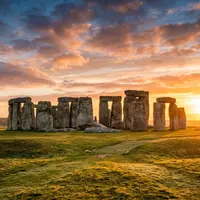
The winter event attracts a smaller crowd than the summer gathering but has its own distinctive atmosphere. Watching the sun set through the trilithons on the shortest day of the year, with the stones silhouetted against a winter sky, is a powerful experience.
A Living Monument
The solstice gatherings connect the present to the deep past. While we cannot know exactly how the builders of Stonehenge marked the solstice, the alignment of the stones makes it clear that this astronomical event was central to the monument's purpose. Standing among the stones at sunrise on the longest day of the year, you are witnessing something that has been happening at this site for 5,000 years.