Planning Your Time
A visit to the Churchill War Rooms naturally divides into two parts. The first is the preserved underground bunker itself, where you walk through the original wartime rooms. The second is the Churchill Museum, a modern interactive exhibition about Churchill's life. Together, they deserve at least 1.5 hours, though 2 hours will give you a more comfortable pace.
The War Rooms circuit takes most visitors between 45 minutes and an hour. The Churchill Museum can easily absorb another 45 minutes to an hour, particularly if you spend time with the Lifeline interactive table. History enthusiasts and those with a particular interest in Churchill or World War Two should plan for closer to 2.5 hours.
Why the Audio Guide Matters
The audio guide is included with your admission and you should absolutely use it. Without it, the rooms are interesting but can feel like a series of furnished spaces without much context. The audio guide brings each room to life with explanations, eyewitness accounts, and recordings that help you understand what happened in each space.
The commentary is well-paced and never feels rushed. It includes details you would not pick up on your own, such as the significance of certain marks on the maps, the reason for the sugar cube on Churchill's desk, and the true purpose of the room labelled as a private toilet. You can skip sections if you want to move faster, but most visitors find themselves listening to every stop.
The Physical Experience
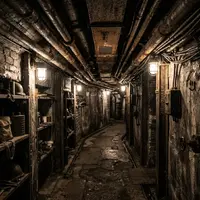
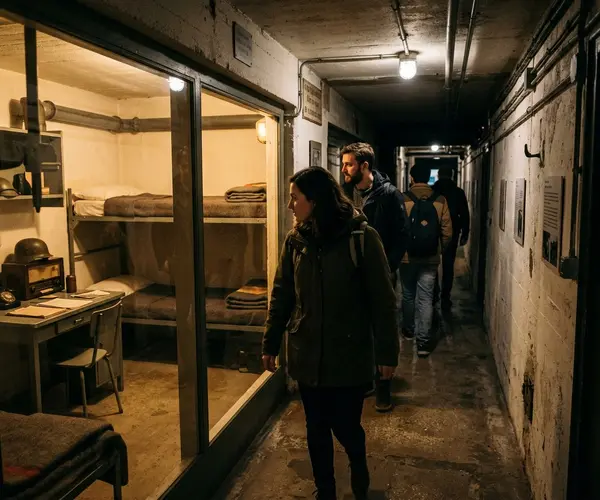
The War Rooms are genuinely cramped. The corridors are narrow, the ceilings low, and there is a persistent sense of being enclosed underground. This is not a criticism but rather one of the most powerful aspects of the visit. You get a physical understanding of what it was like to work in these conditions for hours and days on end.
People who are uncomfortable in enclosed spaces should be aware of this. The route through the rooms does not involve any extremely tight sections, but you are underground throughout and the spaces are compact. The Churchill Museum section is more open and modern in its layout.
Best Time to Visit
The War Rooms can become crowded, particularly during school holidays and on weekends. The narrow corridors mean that large groups can create bottlenecks. Early morning visits tend to be quieter, and weekday afternoons outside school holiday periods are generally the least busy times.
Arriving when the site opens gives you the best chance of moving through the rooms at your own pace. If you arrive during a busy period, you may find yourself queuing at certain points, which can add 15 to 20 minutes to your visit time.
Making the Most of Your Visit
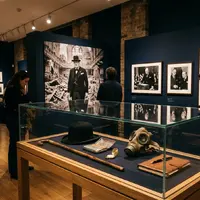
Start with the War Rooms circuit rather than the museum. The preserved rooms create an emotional impact that is strongest when you encounter them fresh. The museum then fills in the broader context of Churchill's life and career, building on what you have just experienced.
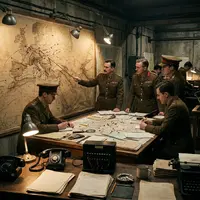
Take your time in the underground bunker and its key rooms, especially the Map Room and the Cabinet Room, as these are the two most historically significant spaces. Read the information panels, look at the details on the maps, and let the audio guide explain what you are seeing. These rooms reward close attention and you will notice more the longer you spend in them.