Landseer's Lions
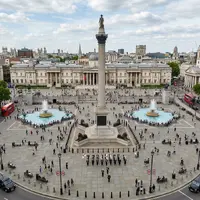
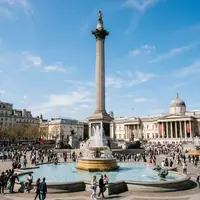
The four bronze lions that sit at the base of Nelson's Column in Trafalgar Square are among the most recognisable sculptures in London. They were designed by Sir Edwin Landseer, a painter best known for his animal subjects, particularly dogs and deer. The lions were his only major sculptural commission, and the project proved far more difficult than anyone had anticipated.
Landseer was appointed to design the lions in 1858, but struggled with the transition from painting to three-dimensional sculpture. He reportedly studied dead lions at London Zoo and at one point had a deceased lion delivered to his studio so he could work from the real animal. The process took years, and by the time the lions were finally cast and installed in 1867, they had been anticipated for more than two decades. Nelson's Column itself had been completed in 1843.
The Design and Casting
Each lion is approximately 20 feet long and sits in a recumbent pose, gazing outward from the base of the column. Despite Landseer's reputation as a meticulous animal painter, some critics at the time noted that the lions looked slightly more like large cats at rest than the fierce guardians one might expect. There were complaints that they appeared too docile, more domestic than heroic.
The lions were cast in bronze by Baron Marochetti's foundry. A longstanding story claims that the bronze came from captured French cannons, mirroring the material used for the relief panels on the column's pedestal. However, this claim has been disputed by historians, and the actual source of the metal remains uncertain.
A Favourite Photo Spot
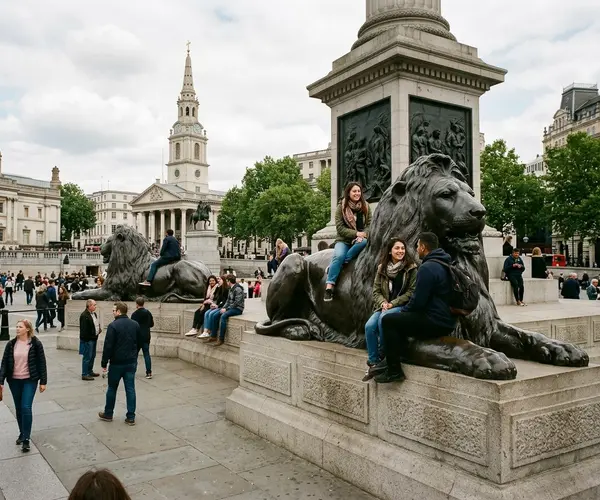
Whatever the artistic debates that surrounded their creation, the lions have become one of the most popular attractions in the square. Visitors queue throughout the day to climb onto the lions' backs for photographs. The smooth, well-worn bronze of their backs is testament to generations of people sitting, straddling and posing on them.
The lions sit on large granite plinths, making them accessible enough for most people to climb, though the ascent requires a bit of effort. There are no barriers or signs prohibiting climbing, and the practice is generally tolerated, making the lions one of the few pieces of public sculpture in London that visitors are effectively invited to touch.
Wear and Conservation
Decades of climbing, sitting and general contact have taken their toll on the lions. The bronze surfaces have been worn smooth in places, and the patina varies significantly between the well-touched areas and the less accessible parts of each sculpture. Conservation work is carried out periodically to ensure the structural integrity of the lions, though the worn surfaces are generally considered part of their character rather than damage to be reversed.
Cultural Significance
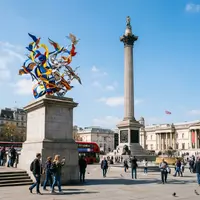
The Landseer Lions have become symbols of London itself, appearing on postcards, in films and as reference points in descriptions of Trafalgar Square. They represent a softer, more approachable side of the square's otherwise military character, offering visitors a direct physical connection to one of the city's great public spaces. Their positioning at the foot of Nelson's Column creates a natural gathering point, and on busy days, the area around the lions is often the liveliest part of the square. Nearby, the Fourth Plinth hosts rotating contemporary art commissions, providing a modern counterpoint to the Victorian sculptures.