From Top to Bottom
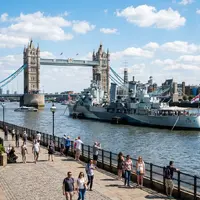
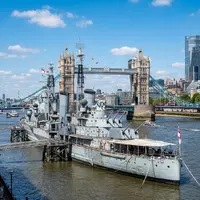
HMS Belfast offers one of the most thorough warship experiences in Europe, with nine decks open for visitors to explore. The route through the ship takes you from the windswept bridge, where the captain directed operations, down through multiple levels of living quarters, operational spaces and machinery compartments to the boiler rooms far below the waterline.
The sheer vertical scale of the ship is something many visitors do not expect. Moving between decks involves climbing steep ladders and passing through narrow hatches, which gives an authentic sense of how cramped and physically demanding life aboard a warship really was. The journey from the bridge to the lowest accessible deck covers a considerable distance, and the change in atmosphere as you descend is striking.
The Bridge and Upper Decks
The bridge sits high above the main deck and gives commanding views of the Thames, Tower Bridge and the London skyline. This is where the captain and his officers directed the ship in action, and the original compass binnacle, voice pipes and engine order telegraph are still in place. Standing here and looking out through the bridge windows gives a real sense of the responsibility carried by the men who commanded this warship.
The flag deck, just below the bridge, was used for signalling and communications. The open-air positions here give the best views from the ship and provide a good vantage point for understanding the layout of the vessel below.
The upper decks also include the 4-inch gun positions and the Bofors anti-aircraft mountings, where you can stand beside the weapons and imagine the intensity of trying to engage fast-moving aircraft from a rolling ship.
Living Quarters
Several decks are dedicated to the spaces where the crew lived, ate, slept and socialised. The captain's cabin, located near the bridge, is surprisingly modest, a small space with a desk, a bunk and a few personal touches. The wardroom, where officers dined, is more spacious but still compact by civilian standards.
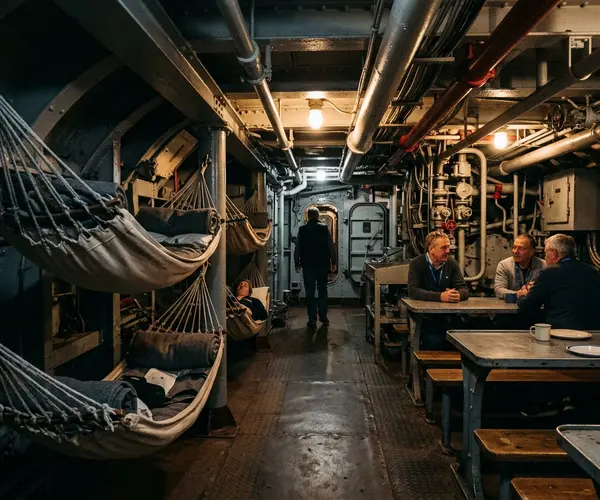
The sailors' mess decks show how the majority of the 800-plus crew lived. Hammocks were slung from hooks in the deckhead, tables folded down from bulkheads for meals, and personal possessions were stored in small lockers. The spaces are reconstructed with mannequins and period items to show how they looked when the ship was in service.
The galley, where all meals for the crew were prepared, and the ship's bakery, which produced bread daily, are both accessible. The sick bay, with its operating table and medical equipment, gives a sobering impression of what medical care looked like aboard a warship in the 1940s and 1950s.
Gun Turrets and Shell Rooms
Visitors can enter one of the main 6-inch gun turrets and see the cramped interior where 27 men worked to load, aim and fire the guns. The size of the shells and the mechanical complexity of the loading system are impressive at close quarters.
Below the turrets, you can descend into the shell rooms and magazines where ammunition was stored. These spaces sit deep in the ship, protected by armour plate, and the route down follows the same path the shells took on their way up to the guns during action.
Engine Rooms and Boiler Rooms
The deepest accessible spaces on the ship are the engine rooms and boiler rooms, reached by a long descent down steep ladders. These cavernous compartments housed the four boilers and four turbines that produced the power to drive the ship at over 32 knots.
The machinery is enormous. The boilers, pipes, condensers and turbines fill the space from floor to ceiling, and the walkways between them are narrow. These were some of the most dangerous working environments on the ship, with extreme heat from the boilers, the constant noise of the machinery and the knowledge that they were well below the waterline with armoured hatches above them.
The physical experience of descending to these depths and standing among the machinery is one of the most memorable parts of a visit to HMS Belfast. The contrast between the open bridge at the top and the enclosed, mechanical world at the bottom illustrates just how varied life aboard a warship could be. The ship's permanent berth on the Thames ensures these spaces remain accessible to the public as a living museum.