At a Glance
| Feature | Buckingham Palace | Windsor Castle |
|---|---|---|
| Primary role | Official London residence | Weekend and preferred residence |
| Location | Central London (SW1) | Windsor, Berkshire (35 km west) |
| Founded | 1703 (as Buckingham House) | 1070 (by William the Conqueror) |
| Rooms | 775 | Approximately 1,000 |
| Size (floor area) | 77,000 square metres | 55,000 square metres |
| Grounds | 39-acre garden | 13-acre castle grounds, plus Great Park |
| Public access | State Rooms in summer | Year-round (most areas) |
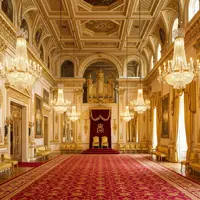
| State banquets | Yes, in the Ballroom | Yes, in St George's Hall |
Different Roles for Different Purposes
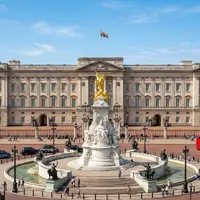
Buckingham Palace is the administrative engine of the British monarchy. It is where the King holds weekly audiences with the Prime Minister, receives foreign ambassadors, hosts state visits and conducts investitures. The 92 offices within the palace house the staff who manage the day-to-day business of the Crown. When people think of the working monarchy, they are thinking of Buckingham Palace.
Windsor Castle serves a different function. It is the place where the monarch retreats from the intensity of London. Queen Elizabeth II spent increasingly long periods at Windsor, particularly after the COVID-19 pandemic, and King Charles III has continued to use it as a regular base. The castle offers something Buckingham Palace cannot: genuine privacy, extensive grounds and a sense of distance from the capital.
Age and History
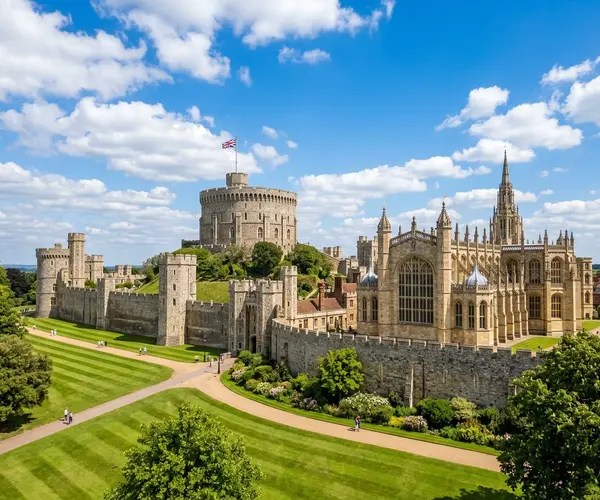
Windsor Castle is almost a thousand years older than Buckingham Palace. William the Conqueror established it around 1070 as a wooden motte-and-bailey fortification, one of a ring of castles built to secure Norman control of London. It has been in continuous royal use ever since, making it the longest-occupied palace in Europe.
Buckingham Palace, by contrast, started as a townhouse in 1703 and did not become a royal residence until 1761. Our guide to how old Buckingham Palace is traces the full story of its transformation from private house to palace. Its transformation into a palace came even later, in the 1820s, and it only became the official residence in 1837. In terms of history, Windsor dwarfs it.
Size and Scale
The comparison is not straightforward because the two properties are measured differently. Buckingham Palace has a larger building footprint at approximately 77,000 square metres of floor space, spread across 775 rooms. Windsor Castle's buildings contain around 1,000 rooms in approximately 55,000 square metres of floor space, but the castle sits within a 13-acre fortified precinct that includes multiple towers, courtyards, St George's Chapel and the Norman Gate.
When you add the surrounding estate, Windsor pulls further ahead. The Home Park extends to 655 acres, and the Great Park covers a further 4,800 acres of woodland, farmland and parkland. Buckingham Palace's 39-acre garden is impressive for central London but modest by comparison.
What Visitors Experience
Buckingham Palace is only open to general visitors during the summer State Rooms opening, typically late July to September. The tour covers 19 rooms and takes around two hours. Outside this window, the Queen's Gallery and Royal Mews are accessible at various times.
Windsor Castle is open to visitors year-round, except when closed for state events. The standard visit includes the State Apartments, St George's Chapel (where Henry VIII, Charles I and Elizabeth II are buried), Queen Mary's Dolls' House and the Semi-State Rooms during winter months. The experience is broader and more varied than what Buckingham Palace offers.
For those deciding between the two, Windsor Castle generally provides the richer visitor experience. The combination of medieval architecture, the chapel, the State Apartments and the surrounding town make for a full day out. Buckingham Palace offers the prestige of the London setting and the summer-only exclusivity that comes with limited opening times.
Which Does the King Prefer?
By most accounts, Windsor Castle is the preferred personal residence. It offers more space, better security, direct access to countryside and a domestic character that Buckingham Palace, with its constant stream of official business, cannot match. The castle has private apartments that have been used and personalised by generations of monarchs, giving it a lived-in quality that the more institutional Buckingham Palace lacks.
That said, Buckingham Palace remains indispensable. It is where the work of the monarchy happens, and its central London location makes it the natural base for the packed schedule of audiences, meetings and events that fill the royal calendar. The two residences complement each other, and the monarchy needs both.