The London Bridge Experience
Interactive walk-through attraction in medieval vaults beneath London Bridge — 2,000 years of gruesome history plus a live scare maze
Interactive walk-through attraction in medieval vaults beneath London Bridge — 2,000 years of gruesome history plus a live scare maze
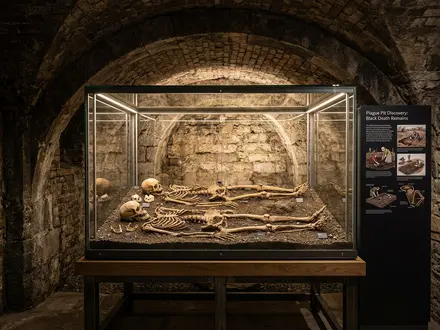
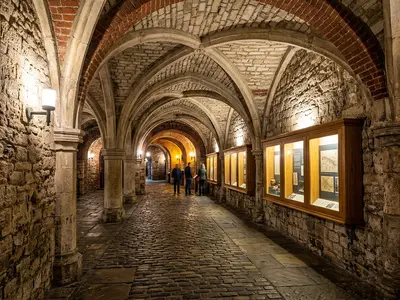
Built inside the medieval vaults beneath the southern end of London Bridge, this attraction sits on the site of a genuine plague pit where builders unearthed a collection of skeletons dating from the 11th to 17th century. The two-part experience opened in 2008 at a cost of two million pounds and has since won the SCAR Award for the UK's best year-round scare attraction every year from 2009 to 2019.
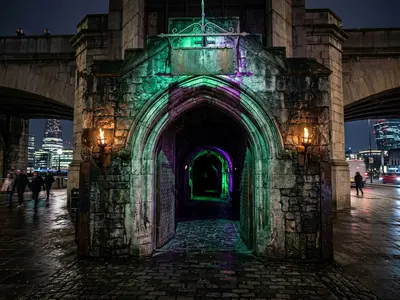
The first half is a guided historical tour through 2,000 years of the bridge's past, from Roman construction in 53 AD through the Great Fire of 1666. The second half plunges visitors into the London Tombs, a live-actor scare maze set in the plague pit tunnels beneath the vaults.
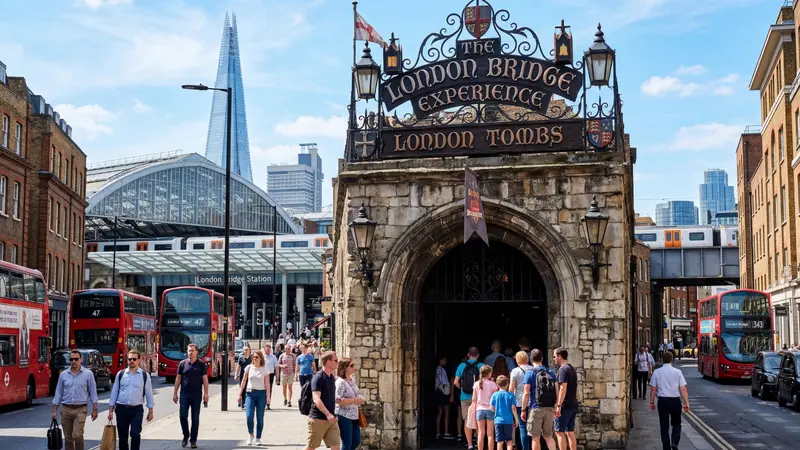
The London Bridge Experience occupies a network of medieval vaults directly beneath the southern abutment of London Bridge, accessed from Tooley Street opposite London Bridge station. The attraction opened in February 2008, built at a cost of around two million pounds. During construction, workers discovered a genuine plague pit containing human remains dated between the 11th and 17th centuries — a find that shaped the design of the second half of the attraction.
The experience divides into two distinct parts. The first is a guided historical tour lasting roughly 35 to 50 minutes, led by costumed actors through theatrical sets depicting key moments in the bridge's 2,000-year history. The second is the London Tombs, a live-actor scare maze set in the tunnels above the plague pit itself.
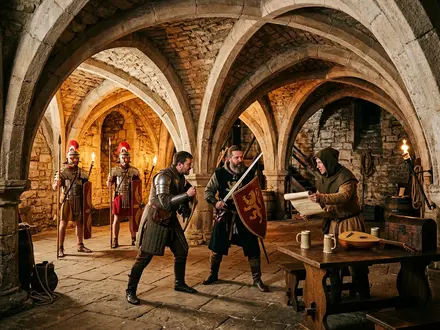
The historical section moves chronologically from the Roman construction of the first bridge around 53 AD through the medieval period, the reign of Henry VIII, and the Great Fire of 1666. Actors portray figures including Roman soldiers, William Wallace and Jack the Ripper. The sets use practical effects, sound design and even scent to create an immersive multi-sensory environment. Groups of around 20 to 30 visitors move through together.
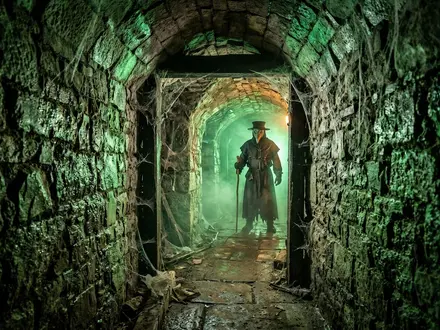
The London Tombs section shifts gear entirely. Live scare actors — plague doctors, zombies and assorted creatures — emerge from hidden passages and chase visitors through dark corridors. The maze layout changes periodically, which means repeat visitors encounter different scares. For younger children, the Guardian Angel tour option provides a guide who leads them ahead of the most intense sequences, turning the experience into a monster hunt rather than a fright.
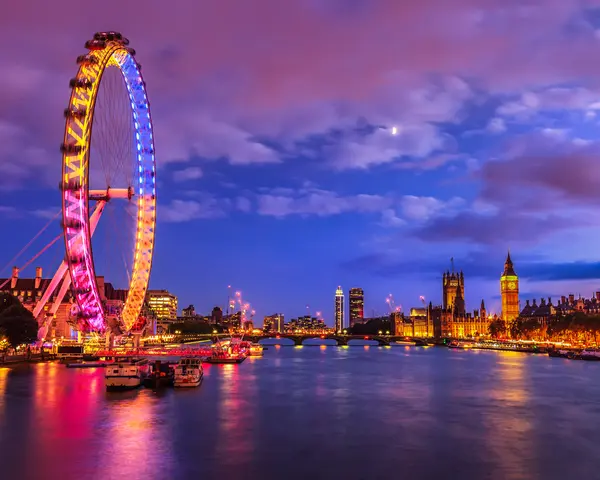
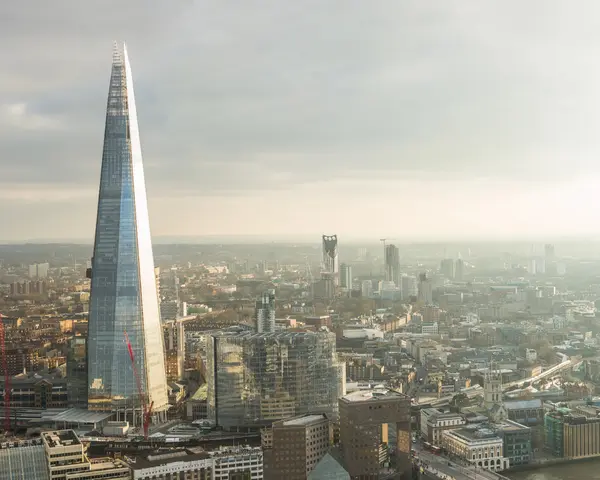
The London Bridge area offers plenty to combine with a visit. Borough Market is a five-minute walk west along Tooley Street, open for street food and fresh produce Wednesday to Saturday. The Shard observation deck is directly across the road, and Southwark Cathedral sits just beyond it. HMS Belfast is moored on the Thames a short walk east.
For those heading further along the river, the Tower of London and Tower Bridge are 15 minutes on foot heading east, while the Tate Modern and Shakespeare's Globe are a similar distance west along the South Bank path.
Online booking includes a £1 booking fee per ticket — walk-up prices are typically higher
Walk-up prices are higher than online bookings. Pre-booking also lets you choose a specific time slot, which avoids the longer waits that build up on weekend afternoons.
Weekday sessions between 2pm and 4pm tend to have smaller groups than weekends or school holidays. Smaller groups mean more interaction with the actors and a better experience overall.
The scare maze is genuinely frightening for younger children. The Guardian Angel tour softens the experience for under-10s, but even so, children under 5 are not recommended.
Photography and filming are strictly prohibited inside the attraction. Leave your phone in your pocket or bag. A professional photo opportunity is available at the exit for purchase.
The route includes uneven stone floors, narrow passages and some stairs. The vaults are also cooler than street level, so a light layer is sensible even in summer.

London Travel Writer · 12+ years covering UK attractions and tourism
Last reviewed: March 9, 2026