Chislehurst Caves
Twenty-two miles of ancient hand-carved tunnels beneath suburban Kent — a wartime shelter, rock venue and underground labyrinth
Twenty-two miles of ancient hand-carved tunnels beneath suburban Kent — a wartime shelter, rock venue and underground labyrinth
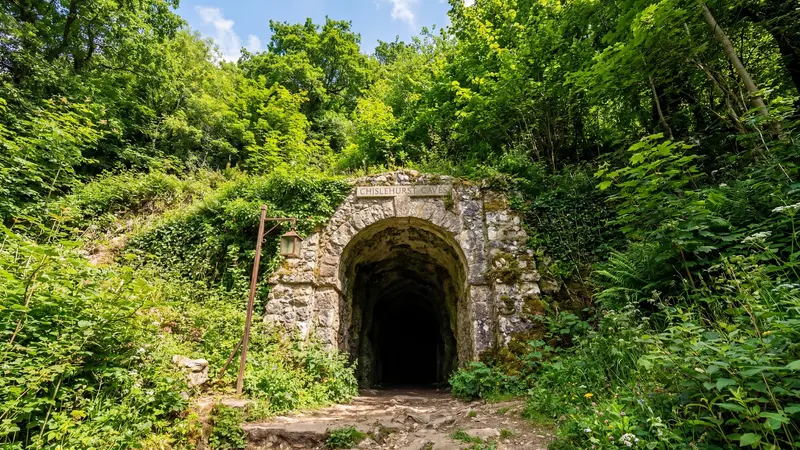
Beneath the quiet streets of suburban Chislehurst lies a 22-mile labyrinth of hand-carved tunnels dating back over a thousand years. Originally dug for chalk and flint, these passageways sheltered 15,000 Londoners each night during the Blitz and later hosted concerts by Jimi Hendrix, David Bowie and Pink Floyd.
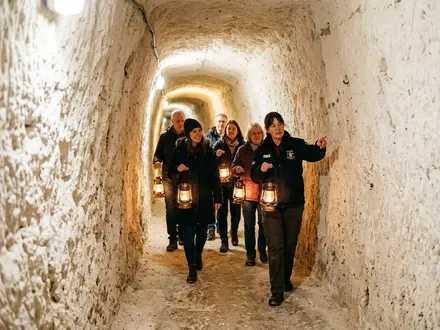
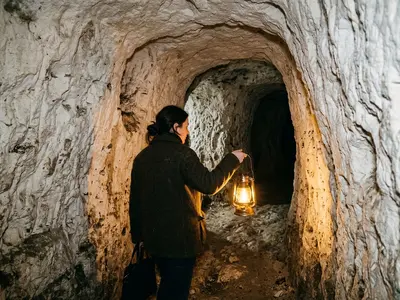
Guided tours lead you through a mile of winding tunnels divided into Druid, Saxon and Roman sections. Armed with a lantern, you will see wartime graffiti, a chapel carved from chalk and evidence of centuries of mining — all at a constant cool temperature deep underground.
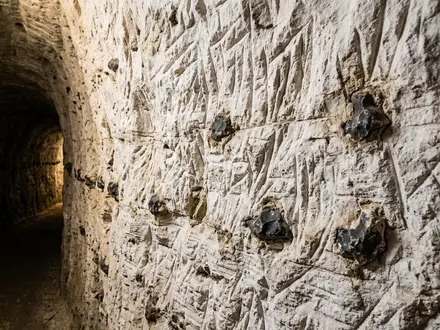
The tunnels beneath Chislehurst were first mentioned in a 9th-century Saxon charter, though their exact origins remain debated. What is certain is that generations of miners carved these passages by hand to extract chalk for lime-burning and flint for weapons and tinderboxes. The workings expanded over centuries, reaching their peak during the 18th and 19th centuries when London's construction boom demanded vast quantities of building materials. Mining ceased around the 1860s, and by 1900 the tunnels had opened to the public as a Victorian showplace.
The caves are divided into three sections — labelled Druid, Saxon and Roman by early guides, though these names reflect Victorian imagination rather than archaeological evidence. The total network extends across 22 miles of interconnecting passages, making it one of the largest hand-dug tunnel systems in Britain.
Entrance is by guided tour only, with groups departing every hour from 10am. Each visitor receives a hand-held lantern — there is no electric lighting inside the caves — and the tour covers roughly one mile of tunnels over 45 minutes. Guides bring the history to life with stories of wartime shelters, mining operations and the caves' unlikely career as a music venue.
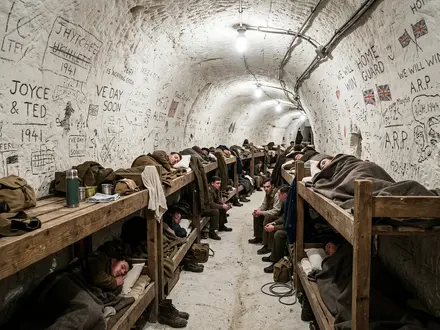
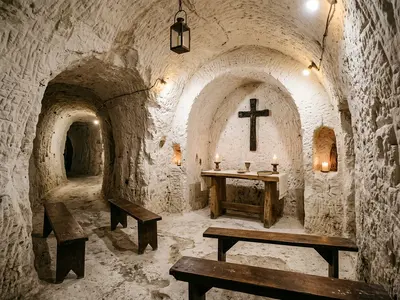
The wartime sections are particularly striking. When the Blitz began in September 1940, the caves were requisitioned as an air-raid shelter. Within weeks, an underground community of 15,000 people had established itself here, complete with electric lighting, a hospital, a barber, a chapel and even a cinema. The chalk walls still bear graffiti from wartime residents, and you can see the remains of the chapel and sleeping bays.
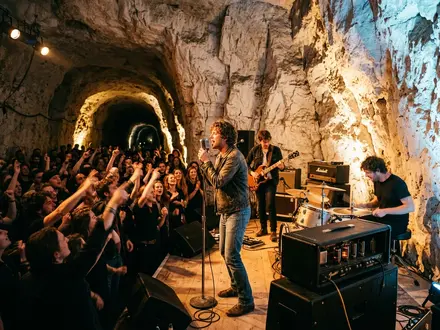
The caves' second life as a concert venue began in the 1950s when skiffle bands performed in the tunnels. By the 1960s, major acts were playing here — Jimi Hendrix, David Bowie, Pink Floyd and the Rolling Stones all performed underground. Led Zeppelin launched their debut album with a party in the caves in 1969. The venue hosted events until 2001, and traces of this era remain visible.
Above ground, the caves sit on the edge of Chislehurst Commons, 60 acres of ancient woodland ideal for a post-tour walk. The village itself has a good selection of pubs and cafes. The on-site cafe serves breakfast and light meals, and the gift shop stocks local history books and souvenirs. Chislehurst is also within easy reach of Eltham Palace and the Meridian Line at Greenwich.
Children must be accompanied by an adult aged 18 or over
The caves maintain a constant temperature of around 10°C year round. Even in summer, bring a jacket or jumper as it feels cold after 45 minutes underground.
The 10am and 11am tours on weekdays tend to have the smallest groups. Smaller numbers mean more room to explore and more time to ask your guide questions.
The cave floors are uneven, damp and sometimes muddy. Trainers or walking boots are ideal. Heels and sandals are not recommended.
The caves border 60 acres of ancient woodland commons. After your tour, walk off the experience through the woods — there are several waymarked paths from the car park.
The caves open daily during Kent school holidays, including Monday and Tuesday. Outside holidays, they are open Wednesday to Sunday only.

London Travel Writer · 12+ years covering UK attractions and tourism
Last reviewed: June 2, 2026