Celtic Harmony Camp
Reconstructed prehistoric settlement in Hertfordshire woodland — hands-on ancient skills from the Stone Age to the Iron Age
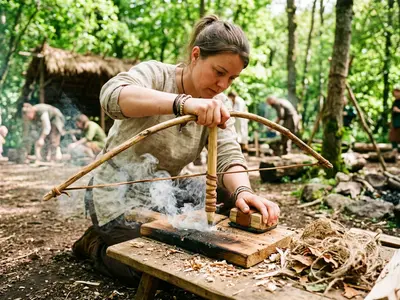
Reconstructed prehistoric settlement in Hertfordshire woodland — hands-on ancient skills from the Stone Age to the Iron Age
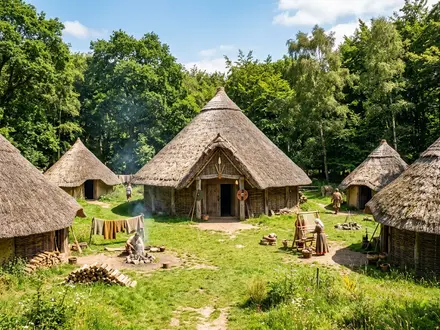
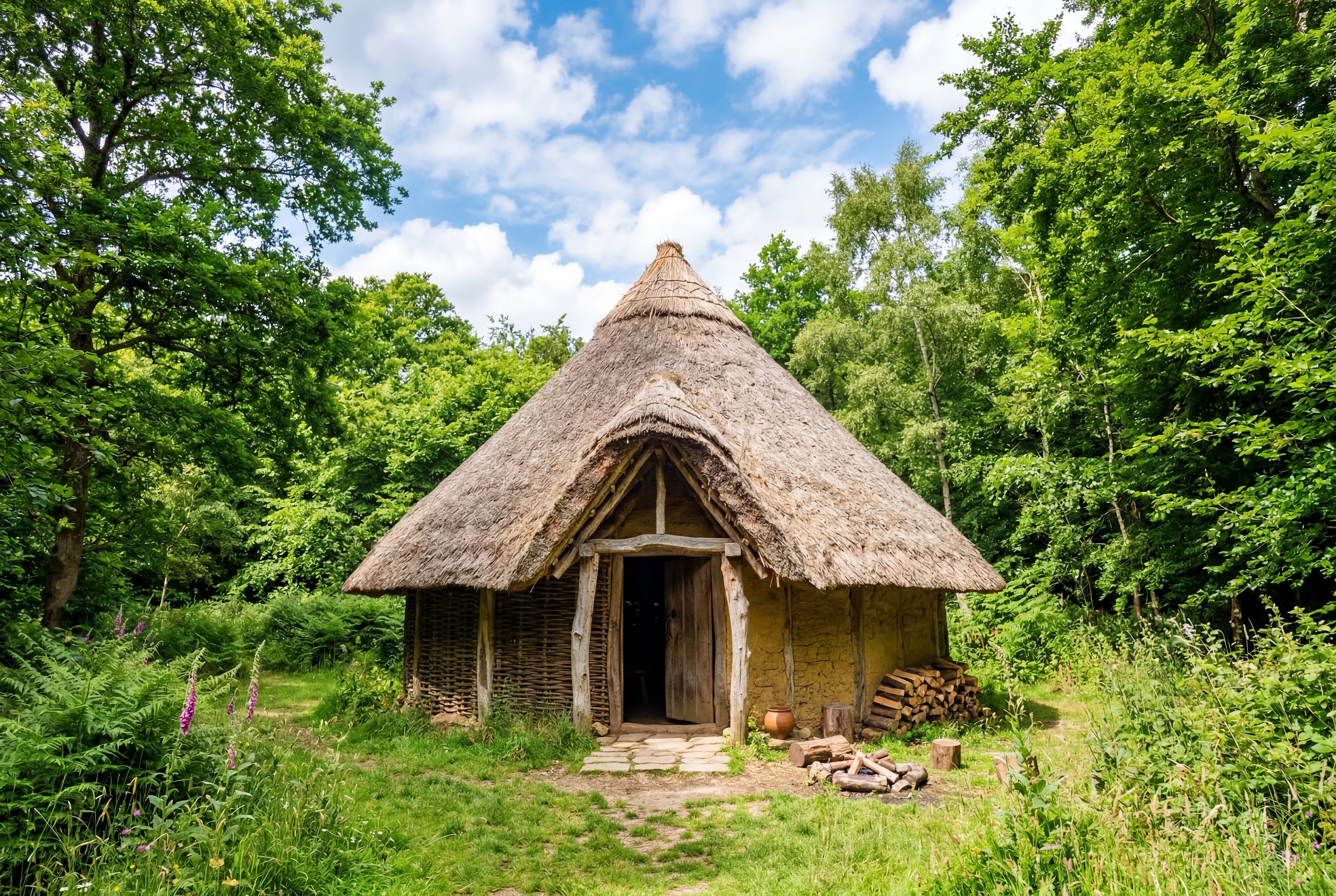
Celtic Harmony Camp is a reconstructed prehistoric settlement set within ancient woodland near Hertford in Hertfordshire. The site features seven Iron Age roundhouses, a Bronze Age dwelling and a Stone Age encampment, built using authentic materials and traditional construction methods. It has been running educational programmes and public events for over 25 years.
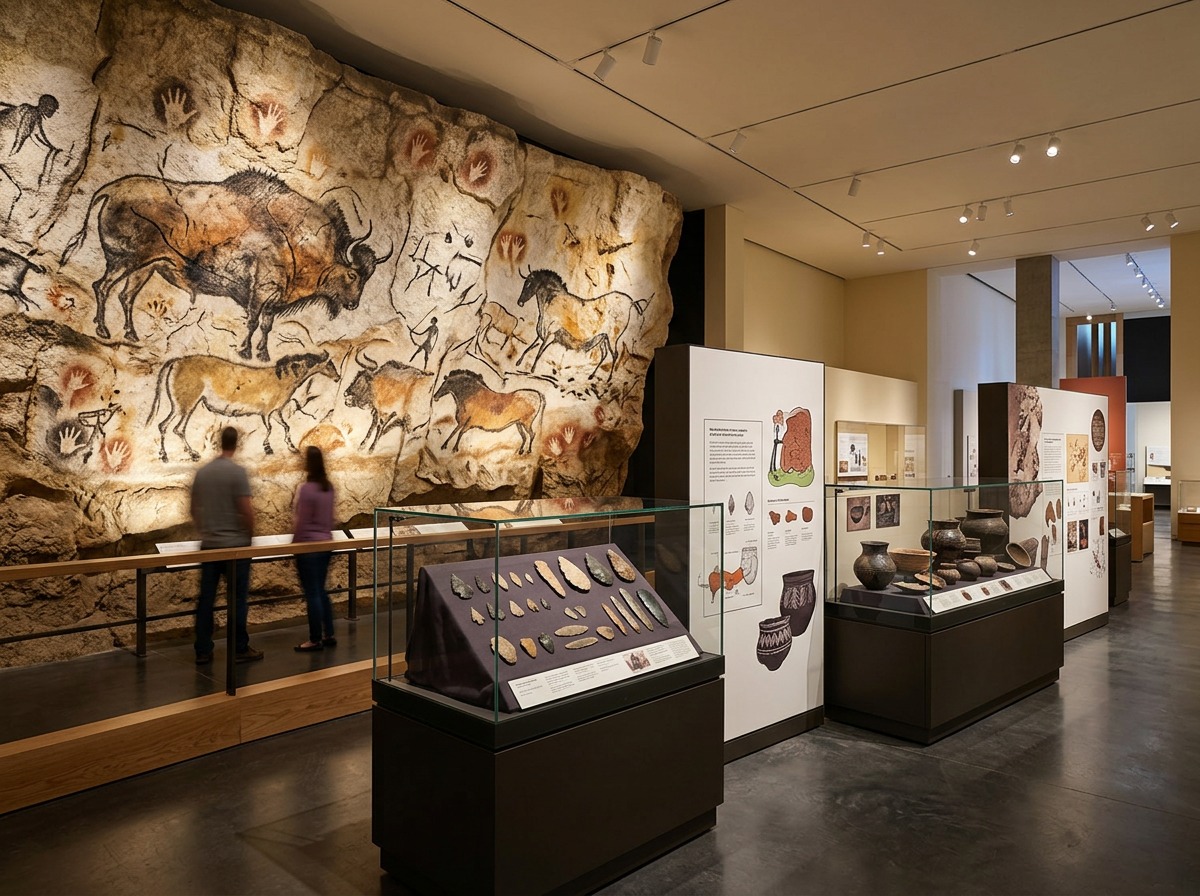
Visitors take part in hands-on workshops covering skills practised by ancient Britons across 800,000 years of prehistory. Activities include friction fire-lighting, flint knapping, pottery making, archery, weaving on warp-weighted looms, and shelter building. A Prehistory Centre with a Palaeolithic cave display, a herb garden and woodland walks complete the site.
Celtic Harmony Camp occupies a clearing within ancient woodland on the Brickendon Liberty estate, roughly three miles south-east of Hertford. The site began as a small educational project in the late 1990s and has grown into one of the largest reconstructed prehistoric settlements in Britain, now featuring seven Iron Age roundhouses, a Bronze Age dwelling and a Stone Age encampment. All structures have been built using methods and materials consistent with archaeological evidence — hazel wattle frames, daub walls, reed and straw thatch — giving the site an authenticity that sets it apart from museum reconstructions behind glass.
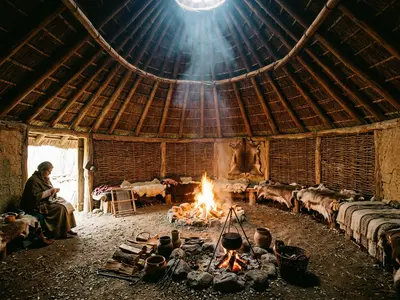
The largest structure is the Chieftain Roundhouse, measuring 11 metres in diameter with a thatched conical roof, central hearth and raised sleeping platforms around the perimeter. Five smaller roundhouses at six metres each serve as workshop spaces and overnight accommodation for school groups. A Bronze Age roundhouse demonstrates the differences in construction between the two periods, with a lower roof line and simpler internal layout. The Stone Age area recreates a temporary hunting camp with lean-to shelters built from branches and animal hides.
The camp's programme is built around practical participation rather than passive observation. Workshops rotate through the day, and visitors move between activity stations set up across the settlement. Friction fire-lighting using the bow-drill method is the most popular session, with instructors demonstrating the technique before visitors attempt it themselves. Flint knapping teaches the basics of striking stone tools from raw nodules. Pottery workshops use Bronze Age coil-building and thumb-pot methods, with finished pieces dried by the fire.
Weaving on full-size warp-weighted looms introduces textile production as it was practised for thousands of years before the spinning wheel. Warrior training offers a more physical session, with participants learning to use replica wooden shields and blunted Iron Age weapons in formation drills. Archery is available using simple longbows, and a grinding shelter demonstrates how grain was processed into flour using saddle querns. The activities are designed for all ages, though younger children will need adult assistance with some of the more technical crafts.
Celtic Harmony runs a calendar of seasonal events tied to the ancient festivals that would have marked the prehistoric year. Beltane in spring and Samhain in autumn are the largest, featuring live storytelling around the fire, craft stalls, communal feasting and nature-based rituals. Smaller events include wreath-making workshops, flint-knapping masterclasses, wild pottery evenings and enchanted woodland storytelling sessions after dark.
The camp is open every weekend and daily during school holidays, with reduced hours in winter. Most public events require advance booking through the website, and popular sessions sell out quickly during half-term weeks. The site is entirely outdoors, so waterproofs and sturdy footwear are essential regardless of the forecast. Paths are natural woodland tracks and can be muddy after rain. The Woodland Bistro on site serves hot drinks, light meals and snacks. For school groups, the camp offers full-day and residential programmes covering the National Curriculum for the Stone Age to Iron Age period, with over 300,000 pupils having visited since the project began.
Prices vary depending on the event or session booked. Family days and seasonal events are ticketed in advance through the website. School trips include a full day of workshops and activities. Children entitled to free school meals attend school trips at no charge. Special events such as Beltane and Samhain festivals may have different pricing
Most family days and seasonal events require pre-booked tickets through the website. Popular half-term and weekend sessions sell out well in advance, particularly Beltane and Samhain.
The entire site is outdoors on natural woodland paths that can be muddy after rain. Dress for the weather and bring waterproofs even if the forecast looks dry.
There are multiple workshop stations to visit and queues can form at popular activities like fire-lighting. A half-day visit gives enough time to try most things without rushing.
The on-site cafe serves hot drinks, light meals and snacks. Card payments are accepted but having cash as a backup is useful given the rural location.
The camp is closed on weekdays outside school holidays and opening hours are reduced in winter. Always check the website for confirmed dates before making the journey.

London Travel Writer · 12+ years covering UK attractions and tourism
Last reviewed: March 10, 2026