Beale Wildlife Park
A 350-acre Thames-side wildlife park near Reading — over 160 species of animals and birds set within ornamental gardens and ancient parkland
A 350-acre Thames-side wildlife park near Reading — over 160 species of animals and birds set within ornamental gardens and ancient parkland
Beale Wildlife Park sits on 350 acres of Thames-side parkland between Pangbourne and Lower Basildon in Berkshire, established in 1956 when farmer Gilbert Beale gifted his private estate to the public through the Child-Beale Trust. A passionate breeder of peacocks, Beale's birds still roam freely across the grounds, and the park has since grown into a proper wildlife collection with over 160 species of animals and birds.
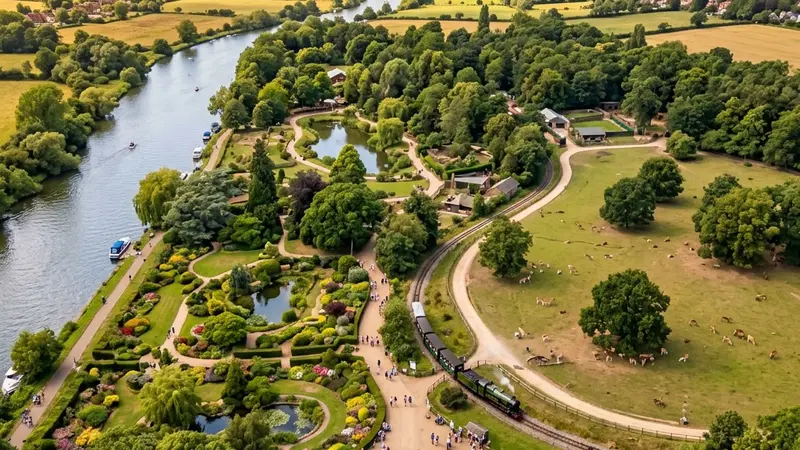
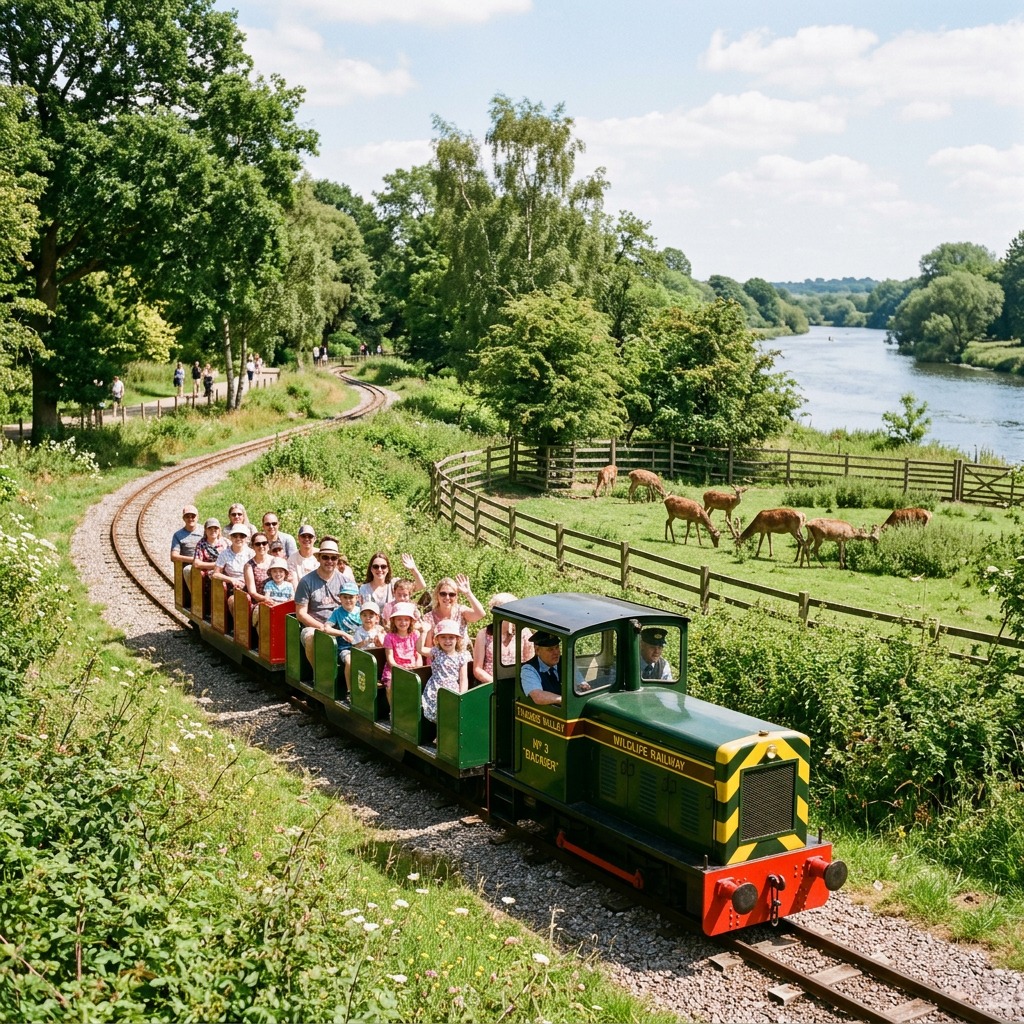
Visitors follow paths through themed aviaries, mammal enclosures and ornamental gardens that stretch down to the River Thames. A one-mile narrow gauge railway loops through the grounds, and indoor and outdoor play areas, a deer park and paddling pools make this a reliable full-day family outing roughly 50 minutes west of London by car.
Gilbert Beale was a farmer and passionate peacock breeder who, in 1956, decided to gift his 350-acre Thames-side estate to the public. He established the Child-Beale Trust as a non-profit charitable organisation, converting the land between Pangbourne and Lower Basildon from private farmland into an open park. The peacocks he bred became the park's first residents, and their descendants still roam freely across the lawns and gardens today, giving the site its early local nickname of "The Peacock Farm."
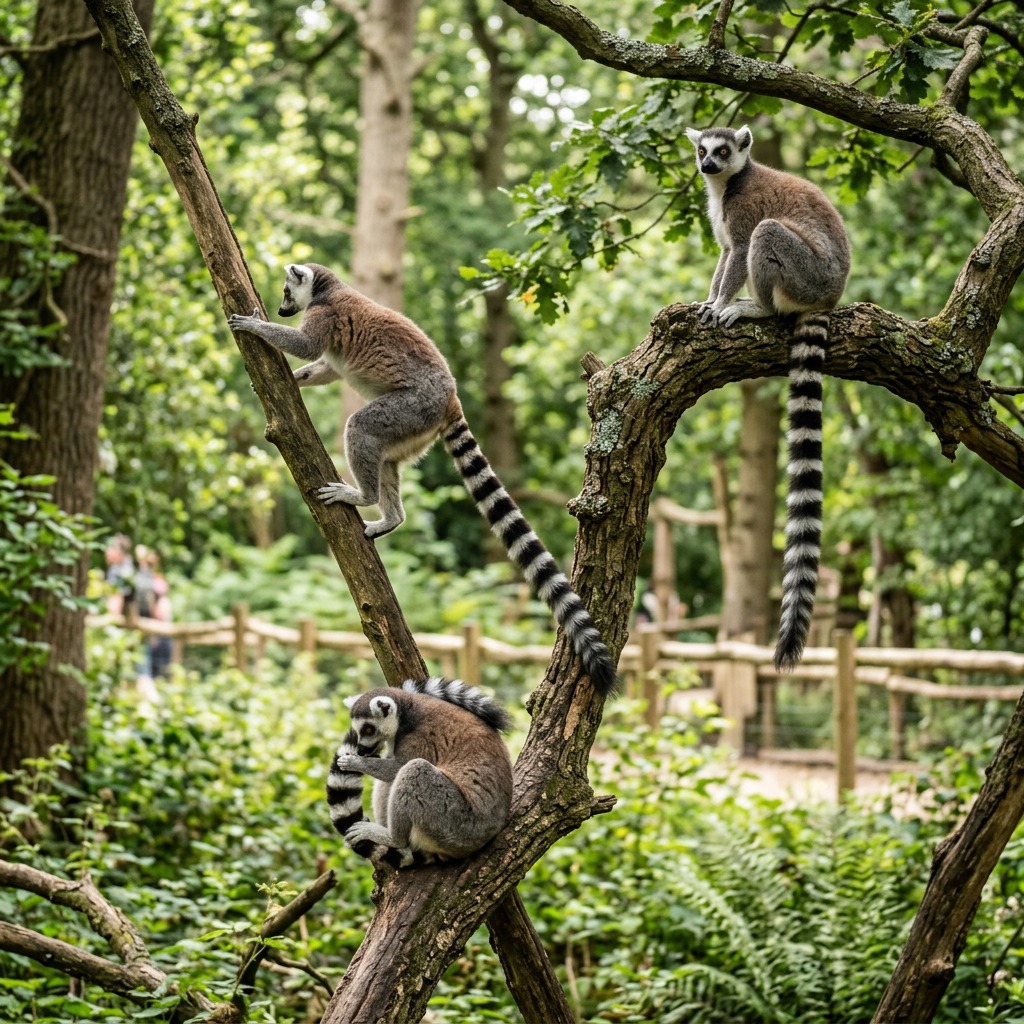
The park expanded steadily from its origins as an ornamental bird collection. Themed aviaries for African, Asian and Australian species were added through the following decades, and from 2007 the collection broadened significantly with the arrival of meerkats, prairie dogs, tamarins and lemurs. The wildlife park now houses over 160 species of animals and birds, with active breeding programmes for endangered species including Bali starlings, green peafowl and mountain peacock pheasants. Several birds bred at the park have been released back into the wild as part of international conservation efforts.
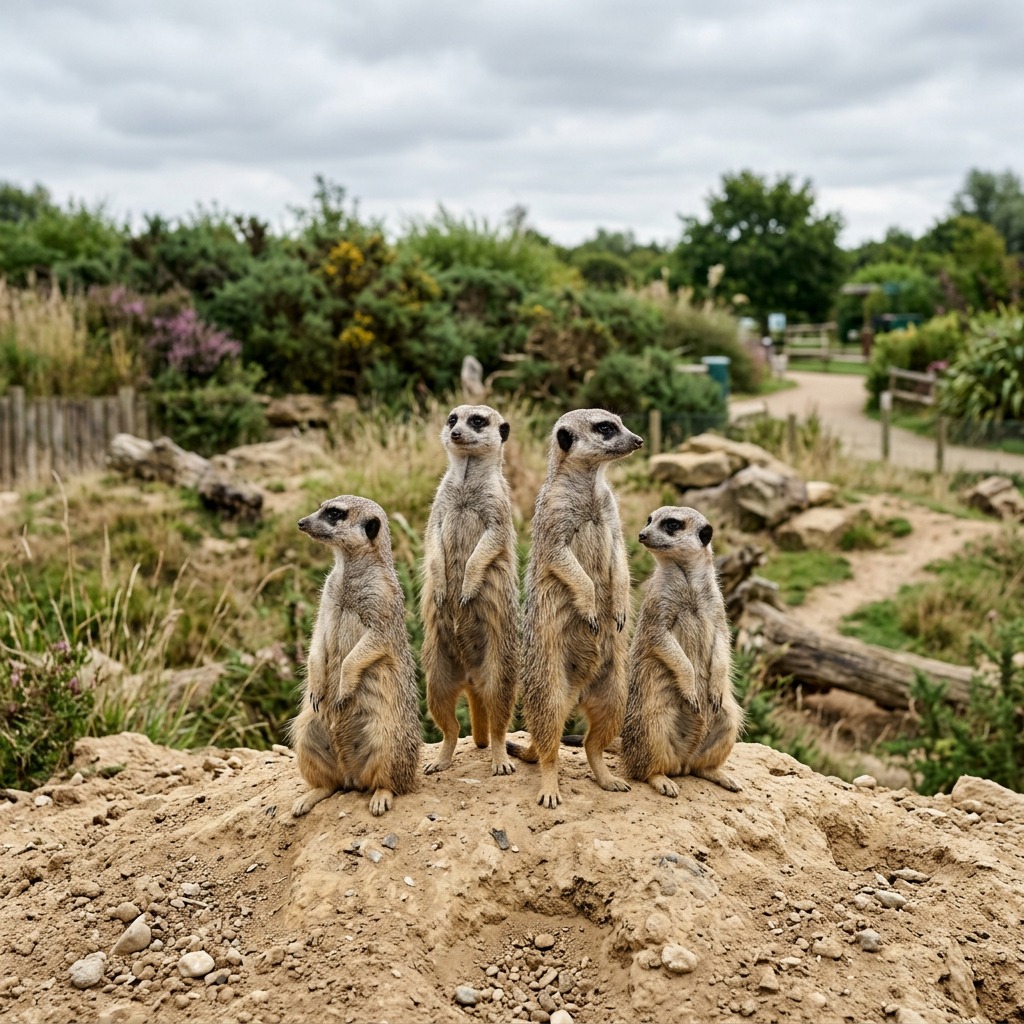
The park divides roughly into three areas: animal collections, gardens, and play facilities. Mammal enclosures are home to meerkats, Asian short-clawed otters, ring-tailed lemurs, wallabies, capybaras, bat-eared foxes and yellow mongooses, among others. A deer park allows visitors to walk among fallow deer, while Shetland ponies and various farm animals provide a more hands-on experience for younger children. Daily animal talks and feeding sessions run throughout the park.
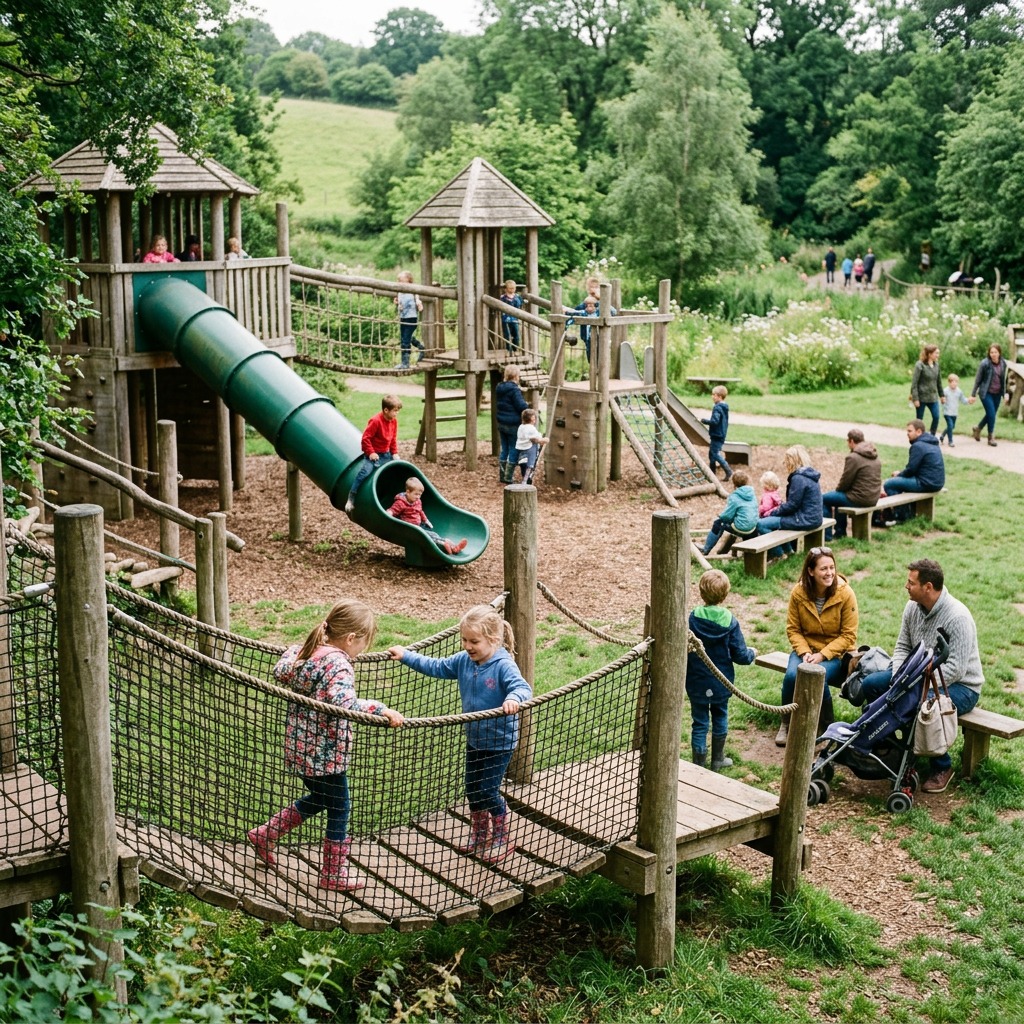
The ornamental gardens and woodland trails stretch down to the River Thames, with decorative bridges crossing small lakes and well-maintained flower beds providing seasonal colour. The one-mile Beale Railway, a narrow gauge line that has operated since the 1980s, runs diesel locomotive Sir Humphrey Davy on a loop from Howard's Halt near the entrance through most of the zoo, carrying up to 50 passengers per trip. Indoor and outdoor play areas, a paddling pool, splash zone and sand pits are spread across the grounds.
Beale Wildlife Park is open daily from 10am, with closing times at 5pm during the main season from March to November. Last entry is at 4pm and attractions begin closing at 4:30pm. The park is closed on Christmas Day and Boxing Day. Summer weekdays outside school holidays are the quietest times to visit, with shorter queues for the train and play areas.
The site is largely pushchair and wheelchair accessible, though some paths are on grass and may be uneven in wet weather. A cafe and gift shop are on site, and picnics can be brought in and eaten at tables and benches dotted around the grounds. Free parking is available. The park sits roughly 50 minutes from central London by car, or a short taxi ride from Pangbourne station, making it a practical day trip from the capital or a straightforward outing from anywhere in the Thames Valley.
Book online in advance to save around £2 per ticket versus buying on the day. Prices shown are advance booking rates
Advance tickets are around £2 cheaper per person than buying on the gate. Book before midnight the day before your visit to guarantee the lower rate and avoid any risk of sell-out on busy bank holiday weekends.
Most animals are liveliest in the morning, particularly the meerkats and otters. Getting there for 10am also means you can catch the first train ride before queues build up later in the day.
Many paths are on grass and the Thames-side location means the ground can be soft after rain. Wellies or walking shoes will make the visit far more comfortable than trainers, especially between November and March.
The paddling pool and splash zone are open during the warmer months and children will want to use them. Bring towels and a change of clothes to avoid a damp car journey home.
Keeper talks and feeding sessions run at set times throughout the day. Check the boards near the entrance when you arrive and plan your route around the talks that interest you most.

London Travel Writer · 12+ years covering UK attractions and tourism
Last reviewed: March 10, 2026