Syon Park
Grand ducal estate in west London — Robert Adam interiors, Capability Brown gardens and a pioneering glass conservatory
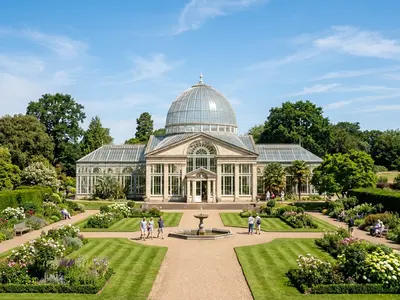
Grand ducal estate in west London — Robert Adam interiors, Capability Brown gardens and a pioneering glass conservatory
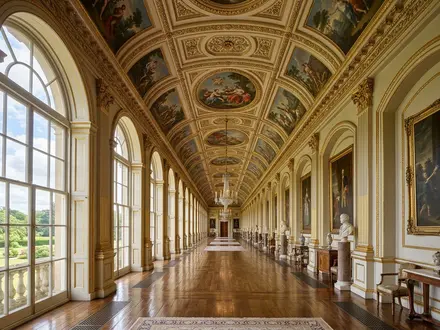
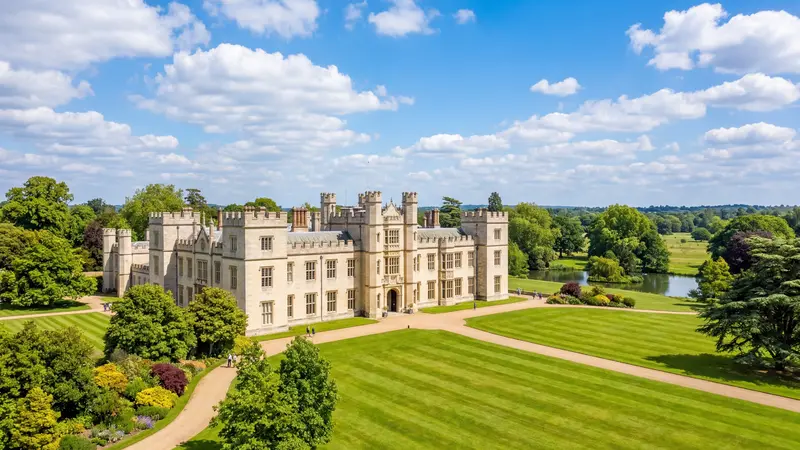
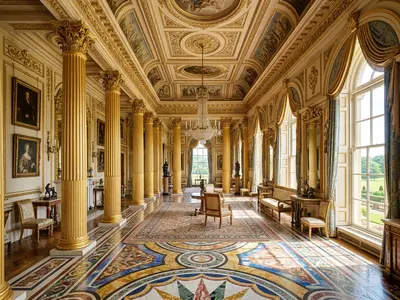
Behind a plain castellated exterior on the banks of the Thames lies one of the finest neoclassical interiors in Britain. Robert Adam's 1760s state rooms at Syon House — still the London home of the Duke of Northumberland — are a sequence of colour, gilding and classical geometry that defined an entire architectural movement.
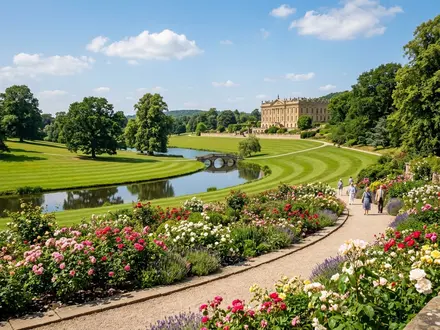
The 200-acre grounds are equally impressive. Capability Brown shaped the parkland, Charles Fowler's Great Conservatory pioneered the use of metal and glass on a grand scale, and a tidal water meadow beside the Thames draws herons and kingfishers within earshot of the Piccadilly line.
Syon's history begins in 1415, when Henry V founded a Bridgettine monastery on the site dedicated to the heavenly Mount Zion. After the Dissolution of the Monasteries, Henry VIII seized the property and it passed through several hands before Edward Seymour, Duke of Somerset, built the Tudor house that still forms the shell of the building today. It was here in 1553 that the teenage Lady Jane Grey was offered the English crown, beginning a reign that lasted just nine days.
The Percy family, Dukes of Northumberland, acquired Syon in 1594 and have held it ever since. In the 1760s, the 1st Duke commissioned Robert Adam to transform the interiors and Lancelot "Capability" Brown to reshape the grounds. Adam's work at Syon is considered a turning point in British architecture — the five state rooms he completed established the neoclassical principles that would define his career and influence design across the Western world.
The state rooms are the centrepiece of any visit. Adam's sequence begins with a deliberately austere entrance hall in black-and-white marble, designed to create a dramatic contrast with the richly decorated rooms beyond. The ante-room gleams with gilded trophies and twelve verde antico columns dredged from the bed of the Tiber in Rome. The long gallery, stretching 136 feet along the east front, is a masterpiece of delicate plasterwork and painted decoration.
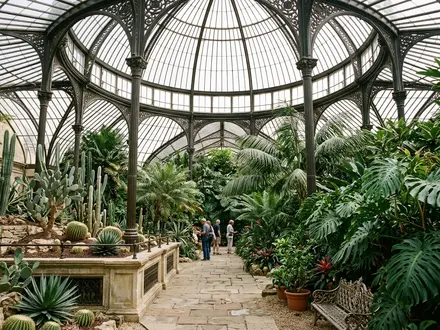
Outside, the gardens reward a leisurely circuit. The Great Conservatory — a graceful dome of gunmetal and glass completed in 1827 by Charles Fowler — predates the Crystal Palace and remains a functioning glasshouse filled with cacti and tropical plants. Beyond it, Capability Brown's parkland rolls down to the Thames, where tidal water meadows attract wading birds and kingfishers. A rose garden, ornamental lake and arboretum of over 200 rare tree species round out the grounds.
Syon Park sits just nine miles west of central London, making it one of the most accessible stately homes from the capital. The simplest public transport route is the train from Waterloo to Syon Lane, followed by a 15-minute walk. Alternatively, take the District line or Overground to Gunnersbury and catch the 237 or 267 bus to Brent Lea. Drivers can use the free car park accessed from Park Road.
Note that the house is only open on Wednesdays, Thursdays, Sundays and bank holidays between mid-March and the end of October. The gardens open on additional days. Allow at least three hours to see the house and gardens, and wear comfortable shoes — the parkland paths cover a fair distance. A cafe in the garden centre offers refreshments, and picnics are welcome on the lawns.
Concession tickets available at reduced rates. Children under 5 enter free. The house is only open on selected days — check the website before visiting
Syon House is only open Wednesday, Thursday, Sunday and bank holidays from mid-March to October. The gardens open on additional days. Always check the website first.
The Royal Botanic Gardens at Kew are just across the Thames. You can visit both in a full day, walking between them via Kew Bridge in about 20 minutes.
Head to the Conservatory early before it gets warm inside on sunny days. The exotic plant collection is best appreciated in cooler morning light.
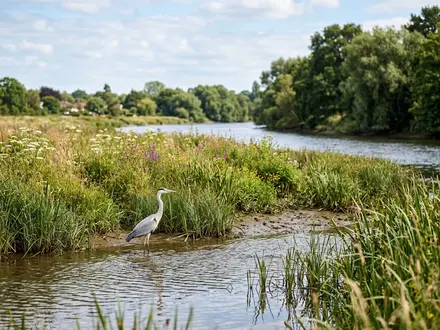
The tidal water meadows along the river attract herons, kingfishers and wading birds. Bring binoculars and walk down to the Thames path for the best sightings.
The 200-acre grounds are extensive. Budget at least 90 minutes for the gardens alone — the rose garden, lake and arboretum are spread across a wide area.

London Travel Writer · 12+ years covering UK attractions and tourism
Last reviewed: March 9, 2026