Royal Gunpowder Mills
A historic explosives factory in Waltham Abbey — 300 years of gunpowder and munitions history across 175 acres
A historic explosives factory in Waltham Abbey — 300 years of gunpowder and munitions history across 175 acres
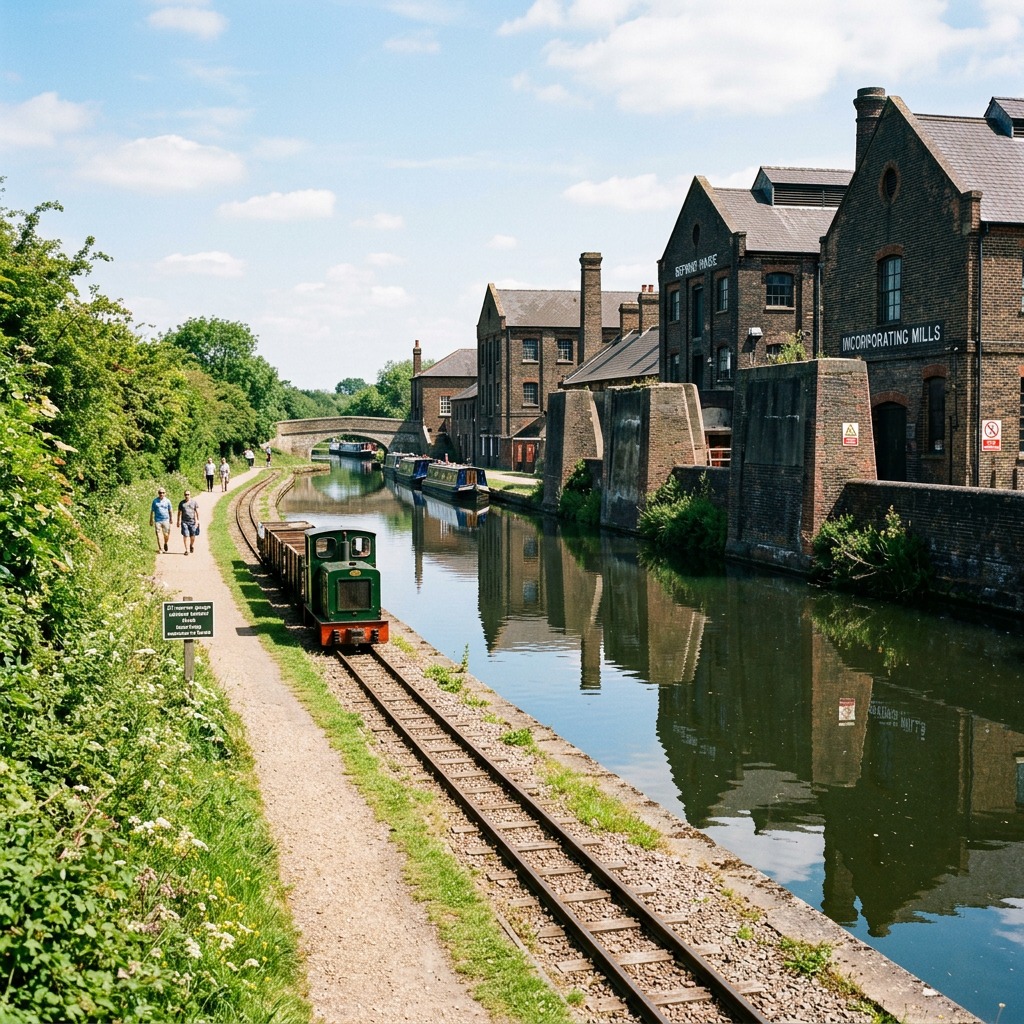
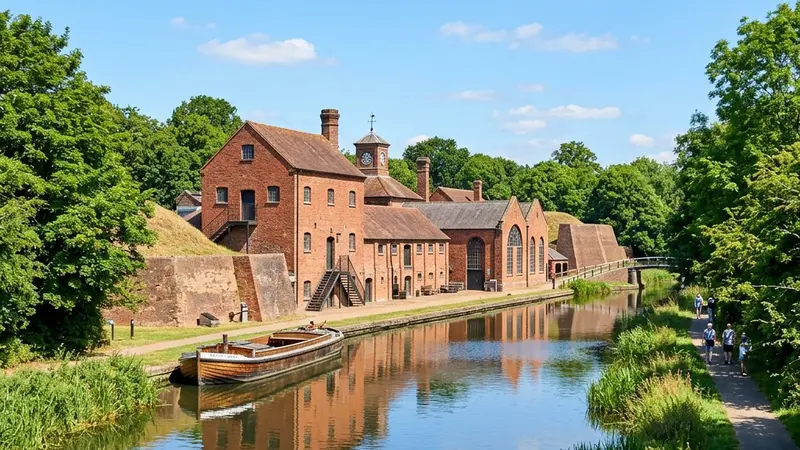
The Royal Gunpowder Mills at Waltham Abbey operated as a munitions factory for over three hundred years, from the mid-seventeenth century until the site closed in 1991. The Crown purchased the mills in 1787, and at its peak during the First World War the factory employed more than six thousand people producing cordite and other propellants. The 175-acre site contains 21 listed buildings, a network of canals originally built to transport volatile materials safely between workshops, and a narrow gauge railway that once carried explosives around the perimeter. It is both a Scheduled Ancient Monument and a Site of Special Scientific Interest.
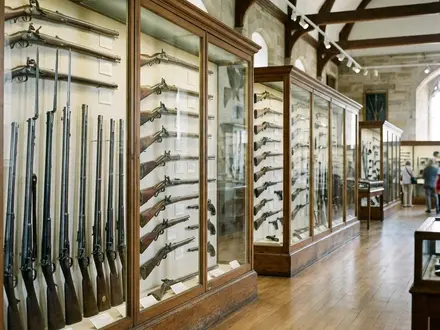
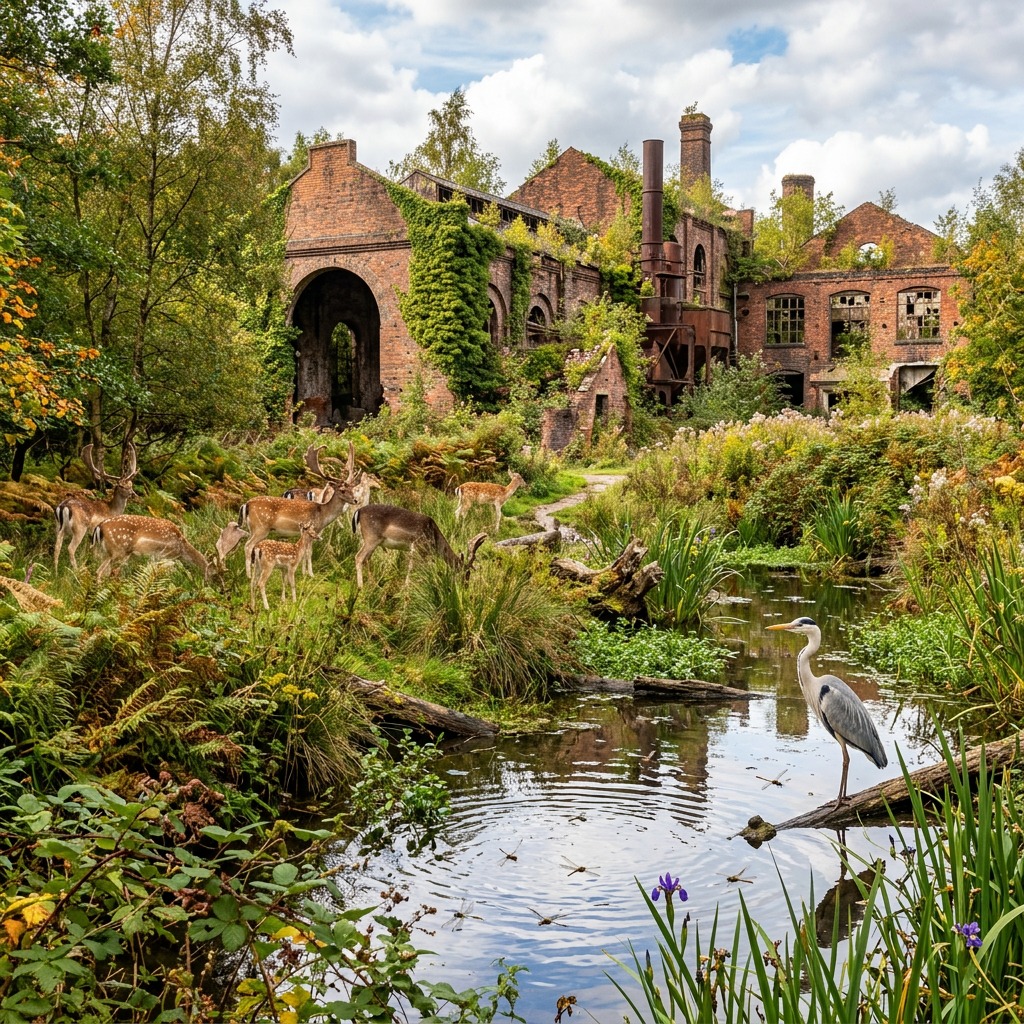
Today the site operates as a heritage attraction and nature reserve, opening on selected Sundays throughout the year. Visitors can explore indoor exhibitions including the Rocket Vault, which charts the development of British rocketry from Congreve's gunpowder rockets to Cold War guided missiles, and the Armoury, housing over two hundred historic firearms spanning four centuries. Guided walking tours and tractor-pulled trailer rides take visitors through the extensive grounds, past blast walls, incorporating mills and press houses that once handled some of the most dangerous substances on earth. The northern section of the site has rewilded into a rich nature reserve, home to fallow deer, barn owls, herons, grass snakes and several species of bat.
The story of the Royal Gunpowder Mills begins in the seventeenth century, when an existing oil mill on the banks of the River Lea was converted to gunpowder production. Ralph Hudson acquired the site in 1665 during the Second Dutch War, using saltpetre sourced from Bedfordshire and Hertfordshire. By the mid-eighteenth century the mills were described by historian Thomas Fuller as "the largest and compleatest works in Great Britain." In October 1787 the Crown purchased the factory from John Walton for ten thousand pounds, beginning over two centuries of government ownership.
The site evolved dramatically through each major conflict. During the Napoleonic Wars it supplied gunpowder to the Royal Navy and Army. From the 1850s onwards, Waltham Abbey became central to the development of revolutionary nitro-based explosives and smokeless propellants, replacing traditional black powder. By the First World War the factory employed more than six thousand people, producing vast quantities of cordite. During the Second World War the site served as the sole British producer of RDX for the first two years of the conflict. After 1945 it continued as a government research establishment, becoming the Explosives Research and Development Establishment and later the Propellants, Explosives and Rocket Motor Establishment, until final closure in 1991.
The indoor exhibitions form the core of any visit. The Rocket Vault traces the history of British rocketry from William Congreve's early nineteenth-century gunpowder rockets through to the guided missiles of the Cold War era and satellite launch motors. Original artefacts, engineering drawings and interactive displays explain how the propellant technology developed at Waltham Abbey contributed to modern aerospace and defence. The Armoury houses over two hundred historic firearms covering the period from the English Civil War to present-day conflicts, placing each weapon in the context of the ammunition and propellants manufactured on site.
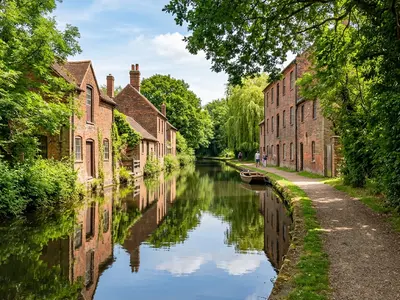
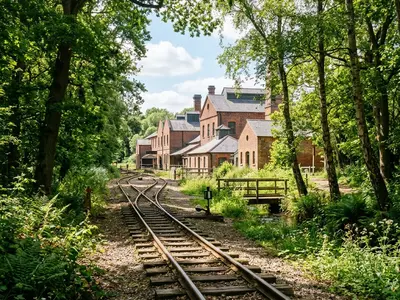
Outside, guided walking tours and tractor-pulled trailer rides cover the extensive grounds. Visitors pass blast walls designed to contain accidental explosions, pressing houses where gunpowder was compacted into cakes, incorporating mills where the ingredients were ground together, and the remains of the cordite production lines. The internal canal network, built from 1806, carried volatile materials between buildings by barge. Uniquely, the barges were always towed by men rather than horses, as a bolting animal could have caused a devastating accident. The narrow gauge Gunpowder Railway, running roughly one kilometre along the site perimeter, is preserved as part of the heritage trail.
The northern section of the site has been left largely untouched since the factory closed, creating an exceptional nature reserve. Ancient alder woodland, historic waterways and abandoned buildings provide habitats for fallow deer, barn owls, herons, grass snakes and several species of bat. The waterways hold large carp and pike, while summer brings clouds of dragonflies and damselflies to the canal margins.
The Royal Gunpowder Mills opens on selected Sundays only, roughly every other Sunday from late March. The site does not operate on a regular daily schedule, so checking the website calendar before travelling is essential. In 2026, every general open day ticket includes an annual pass, allowing unlimited returns on weekend open days throughout the season. The International Living History Festival, held annually, requires a separate ticket.
Getting to the site is straightforward. Waltham Cross station, served by Greater Anglia from London Liverpool Street in around 25 minutes, is the nearest rail connection. The Victoria Line to Tottenham Hale provides a convenient interchange. From the station the mills are a 25-minute walk east or a short taxi ride. By car, exit the M25 at junction 26 and follow the A121 to Waltham Abbey. The entrance on Beaulieu Drive is signposted from Highbridge Street. Free on-site parking is available. Allow three to five hours for a thorough visit covering the exhibitions, a guided tour and the nature reserve. The nearby town of Waltham Abbey, with its twelfth-century abbey church and independent shops, combines well for a full day out in the Lea Valley.
All general open day tickets purchased in 2026 include an annual pass allowing unlimited returns on weekend open days. The International Living History Festival is excluded from annual pass admission
The mills only open on selected Sundays, roughly every other week from late March. The website calendar lists exact dates. Never travel without confirming your chosen date is operational.
The 175-acre site includes woodland paths, canal towpaths and gravel tracks that can be muddy after rain. Walking boots or wellies are advisable in wet weather.
Walking tours and tractor rides fill up quickly on busy open days. Head to the tour departure point soon after arrival to secure a place on the first available guided circuit.
The nature reserve in the north of the site is home to fallow deer, barn owls and herons. Binoculars greatly improve the experience, especially along the canal network.
The twelfth-century abbey church is a ten-minute walk from the mills entrance. The town has independent cafes and shops, making it a natural pairing for a full day out.

London Travel Writer · 12+ years covering UK attractions and tourism
Last reviewed: March 10, 2026