Mersea Island
Essex's only inhabited island — famous for native oysters, colourful beach huts and a tidal causeway that vanishes at high water
Essex's only inhabited island — famous for native oysters, colourful beach huts and a tidal causeway that vanishes at high water
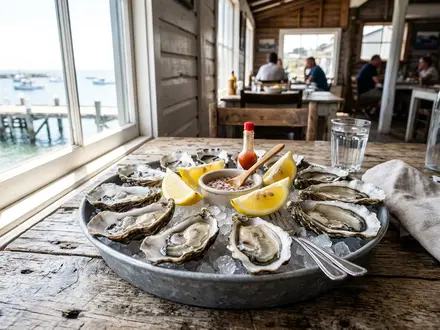
Mersea Island sits at the mouth of the Blackwater and Colne estuaries, connected to the Essex mainland by a Roman-era causeway that still floods at high tide. Oysters have been harvested from these waters for over two thousand years, and the island's no-frills seafood sheds now draw food lovers from across the country.
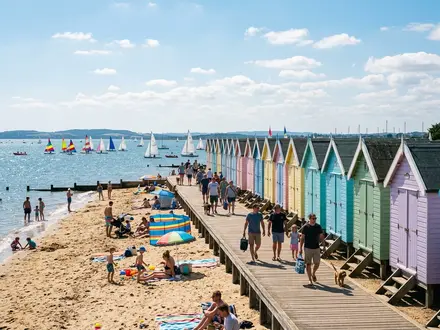
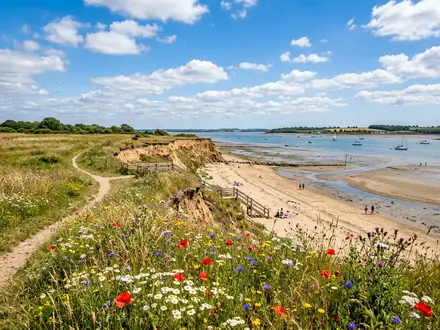
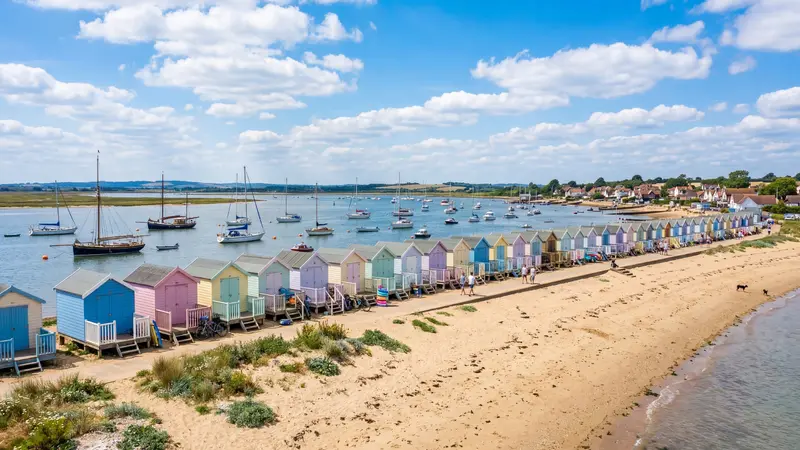
Beyond the oyster beds, seven square miles of salt marsh, shingle beach and quiet lanes reward a full day of exploring. Colourful beach huts line the West Mersea waterfront, fossil-rich cliffs edge Cudmore Grove, and the whole place moves at a pace several gears slower than London.
Mersea Island has been inhabited since the Bronze Age, around 2500 BC, but it was the Romans who first recognised its potential. Officers stationed at Camulodunum — modern-day Colchester — used the island as a holiday retreat, and they began harvesting its native oysters, a tradition that continues unbroken to this day. The Strood causeway they built to connect the island to the mainland still carries the only road in and out.
After the Romans departed, Mersea's story intertwined with fishing, smuggling and military defence. Henry VIII built a blockhouse at East Mersea in 1547, and the island served as a focal point for coastal troops in both world wars — concrete pillboxes and gun emplacements still punctuate the shoreline. Through it all, the oystering families worked the creeks, and their descendants run many of the same beds today.
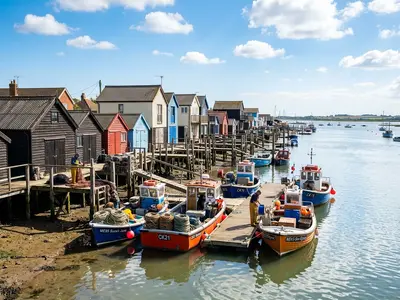
West Mersea is the island's main settlement, centred on a waterfront lined with colourful beach huts, sailing clubs and seafood sheds. The Company Shed is the most famous — a no-frills weatherboarded hut where diners bring their own bread and wine to accompany platters of oysters, crab and whelks. Nearby, the Coast Inn and the West Mersea Oyster Bar offer more conventional dining with estuary views.
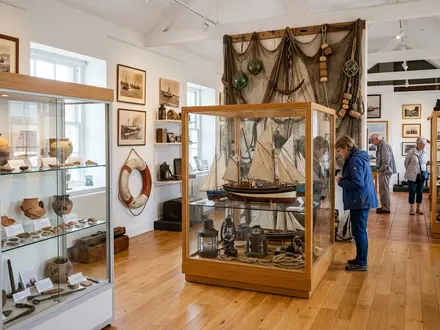
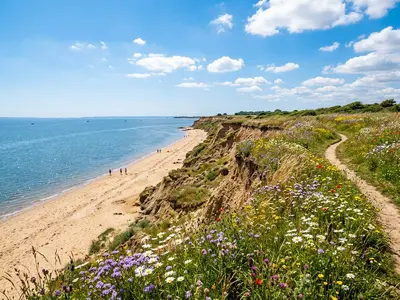
At the eastern end, Cudmore Grove Country Park is the island's wildest corner. Crumbling cliffs here have produced fossils dating back 300,000 years, including bones of mammoth and straight-tusked elephant. Wildflower meadows bloom in summer, and the quiet sandy beach is far less busy than the main West Mersea stretch. Between the two, the Mersea Island Museum tells the story of island life through Roman finds, fishing artefacts and boatbuilding tools.
The most reliable route is by car via the A12 and B1025, taking around 90 minutes from central London. By public transport, trains from Liverpool Street reach Colchester in under an hour, then the 67 bus runs to West Mersea in 30 minutes. Whichever route you take, check the Strood tide tables before travelling — the causeway floods during high spring tides about once a month, closing the road for roughly three hours either side of high water.
The island rewards a full day. Walk the 21-kilometre coast path for marshland views over the Blackwater Estuary, hire a kayak from the waterfront, or simply settle onto the beach with fish and chips. Bring layers — the Essex coast catches the wind even in summer — and book The Company Shed in advance if visiting at weekends, as queues can stretch well down the lane.
Mersea Island is free to visit with no admission charges. Parking at West Mersea waterfront and Cudmore Grove is free. The museum is donation-based
The causeway floods during high spring tides about once a month. Check the tide timetable on the West Mersea Town Council website before travelling to avoid being stranded.
This tiny seafood shack draws crowds year-round. At weekends and in summer, arrive early or book ahead. Remember to bring your own bread, salad and wine — they only supply the seafood.
The 21-kilometre circuit takes around five hours and loops past salt marshes, oyster sheds and WWII pillboxes. Wear sturdy shoes — sections along the north coast can be muddy after rain.
Even on warm summer days, the Essex coast catches a stiff breeze. Pack a windproof jacket and an extra layer, especially if you plan to sit on the beach or walk the exposed north shore.
The sandy beach at Cudmore Grove is at its best when the tide is out, exposing more sand and rock pools. Check tide times and aim for two hours before low water.

London Travel Writer · 12+ years covering UK attractions and tourism
Last reviewed: March 9, 2026