A Modern Addition to a Medieval Castle
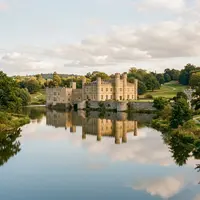
The maze at Leeds Castle was created in 1988, making it a relatively recent addition to a castle with over 900 years of history. Despite its modern origins, the maze has become one of the most popular features of the castle grounds and is often the highlight of a visit for families with children. It is worth noting that the castle is located in Kent, not Yorkshire, so make sure you head to the right part of the country.
The maze was designed by three collaborators. Randoll Coate, a diplomat-turned-maze designer, conceived the overall pattern. Adrian Fisher, one of the world's leading maze designers, worked on the technical layout. Vernon Gibberd designed the underground grotto that awaits those who successfully navigate to the centre.
The Maze Design
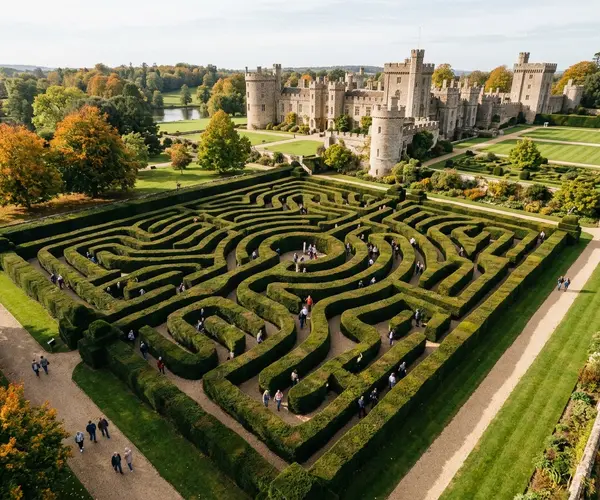
The maze is formed from 2,400 yew trees planted in a design that, when seen from above, takes the shape of a queen's crown. This aerial pattern is a nod to Leeds Castle's history as a residence for medieval queens of England. The yew hedges have grown tall and dense over the decades since planting, creating narrow passages that feel enclosed and disorienting.
The maze covers a relatively compact area, but its design is deceptive. Dead ends, loop paths and misleading turns mean that finding the centre can take considerably longer than the distance might suggest. Most visitors spend between 15 and 30 minutes working their way through, though some take considerably longer.
The Underground Grotto
What sets the Leeds Castle maze apart from most other hedge mazes in England is what happens when you reach the centre. Rather than simply finding a bench or a viewing platform, visitors descend a spiral staircase into an underground grotto designed by Vernon Gibberd.
The grotto is a fantastical underground chamber decorated with shells, minerals and sculpted mythical creatures. A waterfall cascades through the space, and the walls are encrusted with thousands of shells arranged into intricate patterns. The effect is deliberately otherworldly, creating a strong contrast between the green formality of the maze above and the dark, glittering cave below.
The grotto's sculptures include figures from myth and legend, and the shell work references the long tradition of decorative grottos in English country houses. The combination of water, light and natural materials creates an atmosphere that is both mysterious and beautiful.
An Exit Through a Tunnel
After exploring the grotto, visitors do not have to retrace their steps through the maze. Instead, an underground passage leads out of the grotto and emerges in the castle grounds, providing a dramatic conclusion to the experience. This one-way design means the maze can handle a steady flow of visitors without the paths becoming too congested.
One of England's Best Castle Mazes
The Leeds Castle maze is regularly cited as one of the finest hedge mazes in the country, alongside the famous maze at Hampton Court Palace. While the Hampton Court maze is older and larger, the Leeds Castle version is arguably more inventive, thanks to the grotto that transforms a simple navigational puzzle into something more theatrical and surprising. The combination of the crown-shaped yew maze with the underground shell grotto makes it a genuinely original piece of garden design.