Norman Origins
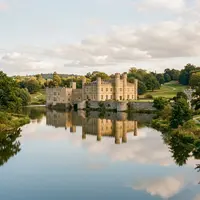
Leeds Castle was first constructed in 1119 by Robert de Crevecoeur, a Norman baron who built a simple stone fortification on the site of a Saxon manor. The location was strategic, positioned on two islands in a lake formed by the River Len in the Kent countryside. The earliest castle was a basic stone keep, typical of Norman military architecture, designed more for defence than comfort.
Before the stone castle, there had been a wooden structure on the site dating back to the Saxon period. The Domesday Book of 1086 records a manor at Leeds held by Odo, Bishop of Bayeux, half-brother of William the Conqueror. The transition from wooden manor to stone castle reflected the Norman practice of establishing permanent fortified positions across their newly conquered territory.
The Queens' Castle
Leeds Castle's most distinctive chapter began when it came into royal hands in 1278 under Edward I, who gave it to his wife, Eleanor of Castile. This began a remarkable tradition that saw six medieval queens of England make Leeds Castle their home over the following two centuries.
Eleanor oversaw significant improvements to the castle, transforming it from a military stronghold into a comfortable royal residence. The Gloriette, a D-shaped tower on the smaller of the two islands, dates from this period and remains one of the most atmospheric parts of the castle today.
Subsequent queens who lived at Leeds Castle included Margaret of France, Isabella of France, Anne of Bohemia, Joan of Navarre and Catherine de Valois. Each left their mark on the building, and the castle's association with these women gave it the informal title of "the ladies' castle." It is this combination of royal heritage and its stunning island setting that earned it the title of the loveliest castle in the world.
Henry VIII and the Tudor Period
The last monarch to use Leeds Castle as a residence was Henry VIII, who visited on several occasions and spent considerable sums converting it from a medieval fortress into a grand Tudor palace. He added new lodgings, improved the banqueting hall and created a more luxurious interior befitting the Renaissance tastes of the Tudor court.
Henry used the castle as a resting place on his way to the Field of the Cloth of Gold in 1520, the famous diplomatic summit with Francis I of France. After Henry's reign, the castle gradually lost its royal status and passed into private ownership.
Private Ownership and Restoration
From the 17th century onwards, Leeds Castle changed hands multiple times. Various owners made alterations and improvements, though the castle's basic medieval structure was preserved. The most significant modern restoration came under Olive, Lady Baillie, who purchased the castle in 1926 and spent decades returning it to its former glory.
Lady Baillie combined historical authenticity with modern comfort, furnishing the rooms with antiques and artwork while installing central heating and modern bathrooms. When she died in 1974, she left the castle to the Leeds Castle Foundation, a charitable trust that has maintained and opened it to the public ever since.
Over 900 Years Standing
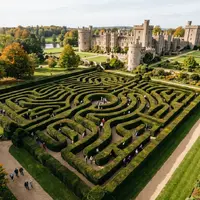
Today, Leeds Castle represents over nine centuries of continuous habitation and adaptation. The Norman stonework, medieval Gloriette, Tudor additions and 20th-century restoration all coexist within a single building, making it a living timeline of English architectural and social history.