Knebworth House and Gardens
Tudor Gothic stately home in Hertfordshire — 500 years of history, 28 acres of gardens, a dinosaur trail and legendary rock concert heritage
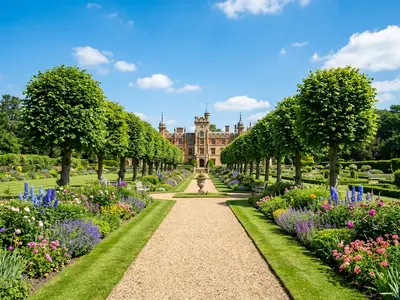
Tudor Gothic stately home in Hertfordshire — 500 years of history, 28 acres of gardens, a dinosaur trail and legendary rock concert heritage
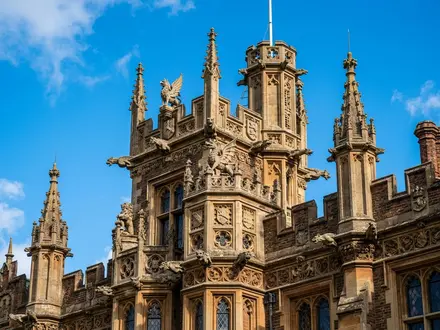
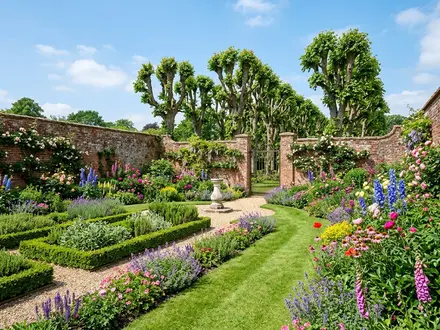
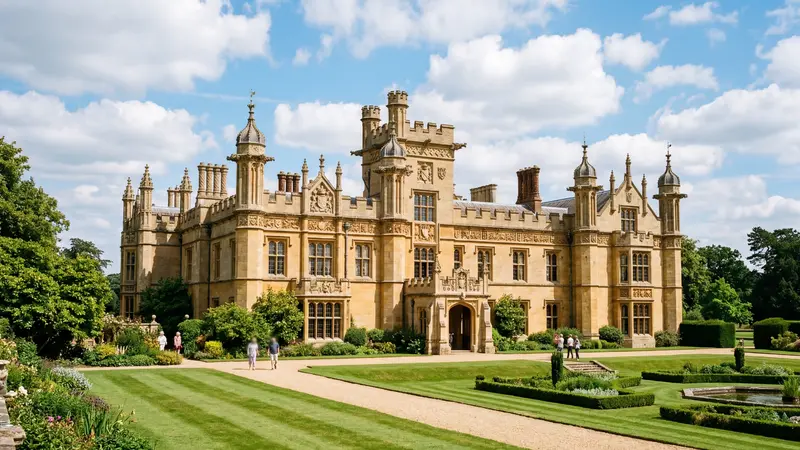
Home to the Lytton family since 1490, Knebworth House is a striking Tudor Gothic mansion wrapped in turrets, gargoyles and heraldic decoration — the work of Victorian novelist Edward Bulwer-Lytton, who transformed a modest red-brick manor into something resembling a fairytale castle. The 28-acre gardens were later redesigned by Sir Edwin Lutyens.
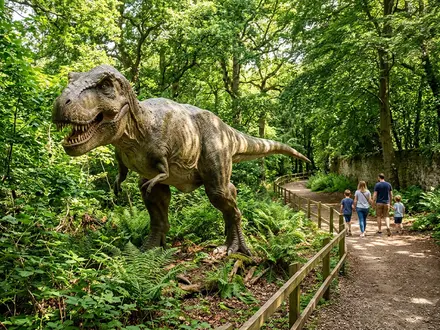
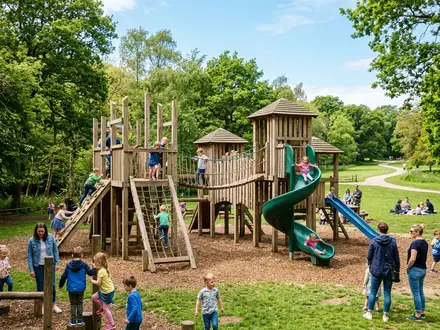
Beyond the house, 250 acres of parkland hold a dinosaur trail with 72 life-sized models, a Fort Knebworth adventure playground and the grounds where the Rolling Stones, Led Zeppelin, Oasis and Queen have played to crowds of over 100,000. It is a rare blend of history, horticulture and rock heritage.
Knebworth House has been home to the Lytton family since 1490, when Sir Robert Lytton acquired the manor. The original building was a red-brick Tudor house arranged around a central courtyard. In 1811, Elizabeth Bulwer-Lytton demolished three sides of the square, reducing it to the west wing. Her son Edward, the Victorian novelist, politician and playwright, then transformed the exterior between 1843 and 1845, adding the High Gothic turrets, gargoyles and heraldic creatures that define the house today.
Edward Bulwer-Lytton was one of the most popular authors of his age, responsible for phrases still in everyday use. His study at Knebworth remains much as he left it, lined with first editions and personal artefacts. The house later passed to his grandson, the Earl of Lytton, who served as Viceroy of India — a connection reflected in the Indian Exhibition displayed in the house. The family still lives at Knebworth, and the current custodian, the Hon. Henry Lytton Cobbold, opens the house to visitors each year.
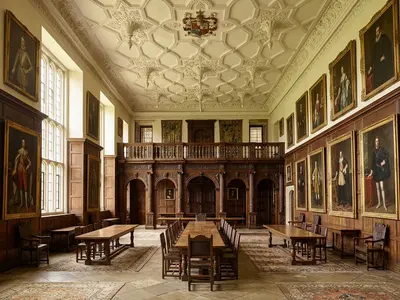
The house tour takes in rooms spanning five centuries. The Jacobean Banqueting Hall features a carved oak screen and minstrels' gallery, while the Victorian State Drawing Room holds elaborate ceiling work by John Crace and hand-painted Chinese wallpaper. Upstairs, bedrooms and dressing rooms reflect both Edwardian elegance and 20th-century comfort. A permanent exhibition chronicles the extraordinary history of rock concerts held in the park since 1974, with memorabilia, film clips and photographs.
Outside, the 28-acre gardens were redesigned by Sir Edwin Lutyens in the early 1900s. Pollarded lime avenues frame a series of garden rooms including a herb garden, walled garden and sunken lawn. The dinosaur trail winds through woodland with 72 life-sized models, and Fort Knebworth provides a large adventure playground for children. The wider parkland stretches to 250 acres and includes walking trails, a deer park and picnic areas.
Knebworth sits just off the A1(M) at junction 7, making it one of the most accessible stately homes from London by car — roughly 30 miles north of the capital. By train, services from King's Cross to Stevenage take around 25 minutes, with a connecting train or short taxi ride to the estate. The house opens on selected dates from March to September, so always check the website before visiting. Gardens and park typically open at 10:30am, with the house following at 11:30am.
Allow at least half a day to see the house and gardens properly, longer if children want to explore the dinosaur trail and playground. A cafe serves hot meals and snacks, and picnics are welcome in the park. The grounds are mostly accessible, though some garden paths are gravel and the house has stairs without a lift.
Under 3s enter free. Gardens and park tickets include the adventure playground, dinosaur trail and gardens. House admission is an additional supplement. Season tickets available at £55 per person
Knebworth opens only on selected dates from March to September, mainly weekends and school holidays. The website calendar shows exact opening days — do not assume daily opening.
The house does not open until 11:30am, so use the first hour to explore the gardens and dinosaur trail before the house tour. This also helps avoid the lunchtime rush.
The gardens-only ticket is good value, but the house interior is well worth the extra supplement. The Banqueting Hall and rock concert exhibition are highlights you would miss otherwise.
The 250-acre park has plenty of space for picnics, with designated areas near the adventure playground. The cafe is good but can get busy on sunny weekends.
The main entrance is directly off the junction 7 roundabout of the A1(M). Use postcode SG1 2AX for sat nav rather than the house postcode, which can send you to the wrong entrance.

London Travel Writer · 12+ years covering UK attractions and tourism
Last reviewed: March 9, 2026