Hatfield House
A magnificent Jacobean country house in Hertfordshire — where the young Elizabeth I learned she would be Queen
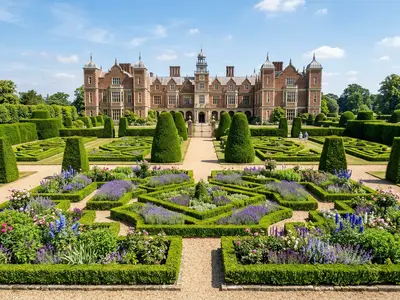
A magnificent Jacobean country house in Hertfordshire — where the young Elizabeth I learned she would be Queen
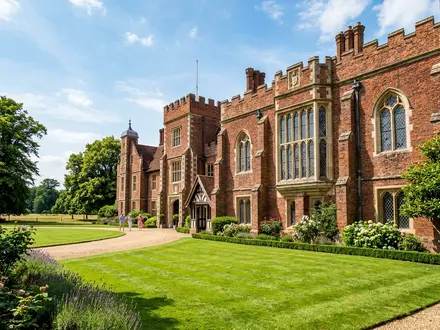
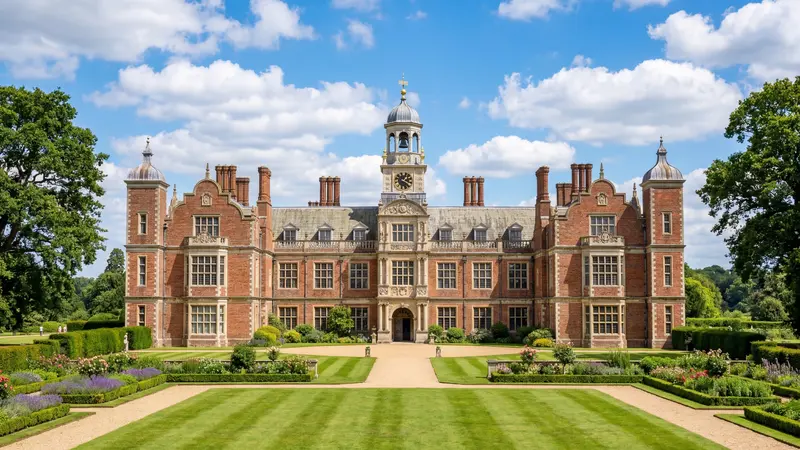
In November 1558, the young Princess Elizabeth was at Hatfield when a rider brought news that her sister Mary had died and she was now Queen of England. The Old Palace where that moment unfolded still stands in the grounds, its great hall intact after more than five centuries. Beside it rises the Jacobean house that Robert Cecil, 1st Earl of Salisbury, built in 1611 — one of the finest surviving examples of its era.
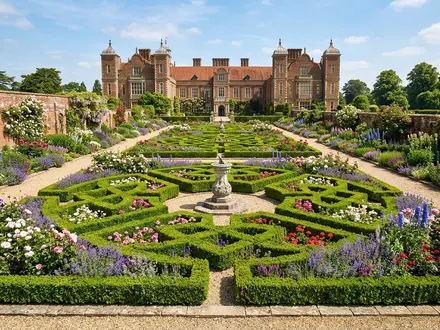
Today visitors walk through state rooms hung with Tudor and Stuart portraits, including the celebrated Rainbow Portrait of Elizabeth I. Outside, 42 acres of formal gardens designed by John Tradescant the Elder give way to a thousand-acre park of ancient oaks and woodland trails.
Hatfield's history stretches back to 1485, when the Bishop of Ely built a grand palace on the site. Henry VIII seized the property during the Dissolution and used it as a residence for his children. The young Princess Elizabeth spent much of her childhood here under varying degrees of confinement, and it was at Hatfield in November 1558 that she learned of her accession to the throne — according to tradition, while sitting beneath an oak tree in the park.
In 1607, James I exchanged Hatfield for the Cecil family seat at Theobalds, giving the estate to Robert Cecil, 1st Earl of Salisbury. Cecil promptly demolished three wings of the medieval palace and commissioned architect Robert Lyminge to design the present house, which was completed in 1611. Inigo Jones contributed to the interior design, and the house has remained in the Cecil family — the Marquesses of Salisbury — for over four hundred years.
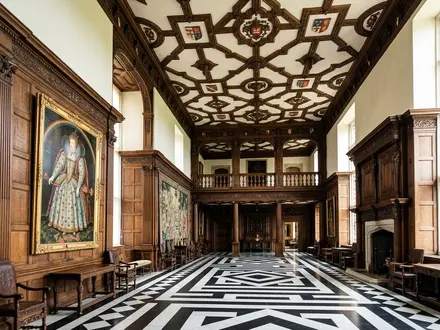
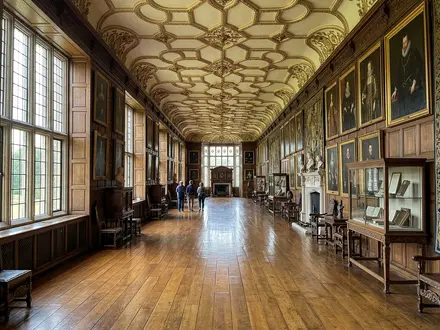
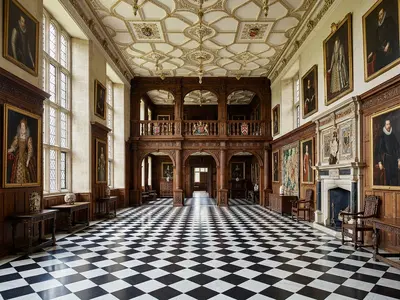
The Marble Hall is the centrepiece of the house, a double-height space with a chequered marble floor, carved oak screen and the famous Rainbow Portrait of Elizabeth I. The Long Gallery stretches 170 feet along the south wing, displaying portraits, tapestries and personal items including Elizabeth's silk stockings, hat and gloves. The King James Drawing Room features an exquisitely painted ceiling, while the private chapel retains its original Jacobean stained glass.
Outside, the gardens cover 42 acres and were originally planted by John Tradescant the Elder, the celebrated botanist and plant collector. The East Garden is laid out in formal parterres, the Sundial Garden features scented herbs and the Wilderness Garden offers a more naturalistic landscape. The surviving wing of the Old Palace houses the original Banqueting Hall with its medieval timber roof — guided tours run on select days and are well worth the additional charge. Beyond the formal grounds, the thousand-acre park is home to herds of fallow deer, ancient oaks and miles of walking trails.
Hatfield is one of the most accessible country house day trips from London. The train from Kings Cross takes just 20 minutes, and the house is a short walk from the station — far easier to reach than most comparable estates. Drivers can reach the A1(M) junction 4 in about 40 minutes from central London, with free parking on site.
The house is open Thursday to Sunday from late May to September, while gardens and park open earlier in the season from April. Arrive by mid-morning to see the house without crowds, then spend the afternoon in the gardens and park. The Coach House Kitchen serves meals and refreshments daily. The Stable Yard, accessible free of charge, houses an antiques centre, gift shops and a farm shop selling estate produce. Allow three to four hours for the house and gardens, or a full day if you plan to explore the parkland walks.
Under 3s free. Carers admitted free with valid card. Students receive 25% off with valid ID. Old Palace tours cost £8.50 per person
The house opens later than the gardens — typically late May through September, Thursday to Sunday only. Gardens open from April. Always check the website for exact dates before travelling.
The Old Palace Banqueting Hall requires a separate guided tour ticket at £8.50. Tours run on select days and can sell out, so book ahead on the website if this is a priority.
The Stable Yard is free to enter and houses an antiques centre, gift shops and farm shop. It opens earlier than the house and makes a good starting point while you wait for your visit slot.
The estate covers over a thousand acres with woodland trails and deer park walks. Paths can be uneven and muddy after rain, so sturdy footwear is recommended if you plan to explore beyond the formal gardens.
St Albans is just 8 miles west and home to a magnificent Norman cathedral and Roman ruins at Verulamium. The two make an excellent full-day pairing if you have a car.

London Travel Writer · 12+ years covering UK attractions and tourism
Last reviewed: June 2, 2026