Chartwell
Churchill's beloved Kent country home — a National Trust estate with gardens, studio and panoramic Weald views
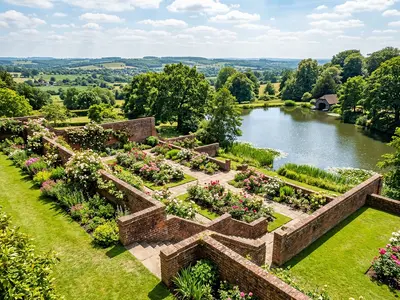
Churchill's beloved Kent country home — a National Trust estate with gardens, studio and panoramic Weald views
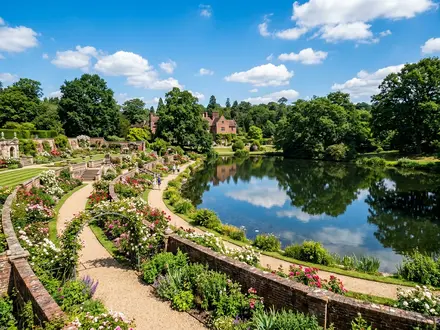
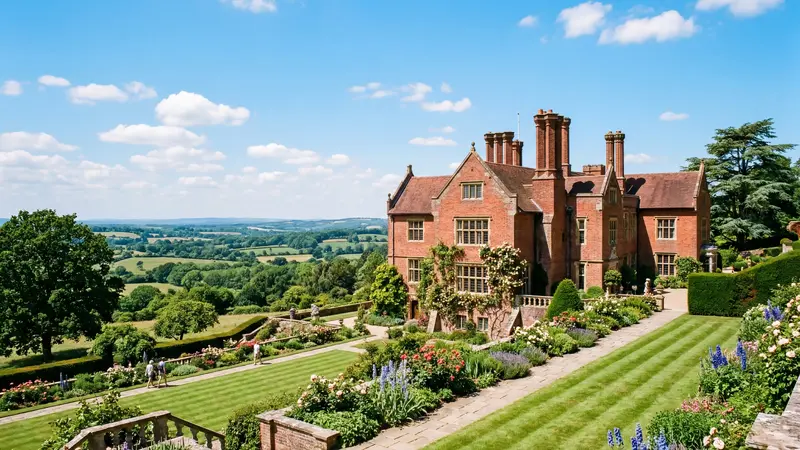
Winston Churchill bought Chartwell in 1922 for its views. From the garden terrace, the Weald of Kent stretches to the horizon — the same panorama that sustained him through decades of political triumph and personal setback. He lived here for over forty years, painting, bricklaying, feeding his fish and writing the books that won him the Nobel Prize in Literature.
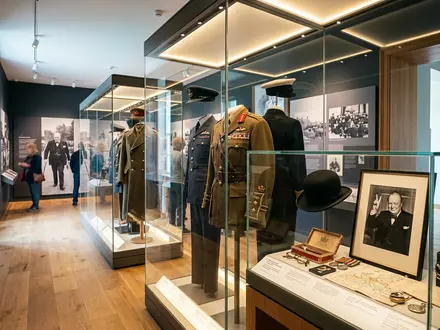
Today the house remains much as Churchill left it, filled with personal belongings, original furnishings and gifts from world leaders. The studio holds the largest collection of his paintings anywhere, while the gardens he shaped with his own hands slope down through lakes and woodland to the Kent countryside beyond.
Chartwell's oldest walls date from between 1515 and 1546, and the house takes its name from the Chart Well spring that feeds the lakes in the valley below. The property passed through several owners before Churchill first visited in July 1921, drawn by an estate agent's listing that promised fine views. He returned with his wife Clementine, who was captivated by the setting despite reservations about the cost.
Churchill bought the house in September 1922 for £5,000 after it failed at auction, then commissioned the architect Philip Tilden to rebuild and extend it. The work took two years and cost considerably more than the purchase price. By 1924 the family was installed, and Chartwell became the centre of Churchill's private world for the next four decades.
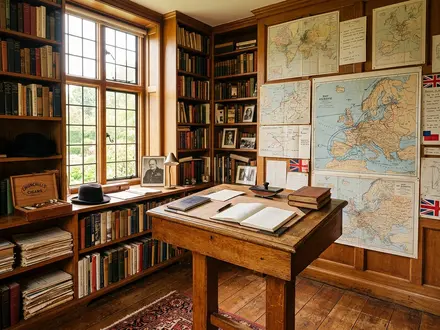
The house is preserved as Churchill left it. His study remains furnished with the stand-up desk where he wrote standing — a habit he adopted to ease his back — and the walls are hung with maps from the war years. The drawing room displays gifts from world leaders, while the dining room retains the table where he hosted figures from Roosevelt to Charlie Chaplin.
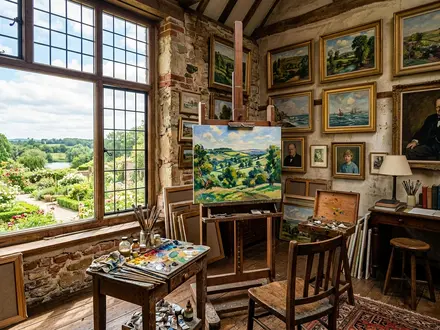
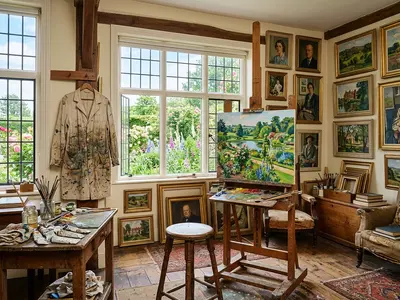
In the garden, Churchill's studio is a highlight. More than 150 of his paintings are displayed here, ranging from early experiments to accomplished later works depicting scenes from North Africa and the South of France. The gardens themselves descend in terraces from the house, passing Lady Churchill's Rose Garden, a walled kitchen garden and the brick walls Churchill built by hand during his years out of office in the 1930s. Two lakes fed by the original spring complete the grounds.
Chartwell sits in deep rural Kent, two miles south of Westerham. The most straightforward public transport route is a train to Sevenoaks followed by a short taxi. On Sundays the 246 bus from Bromley North stops at the gates. Drivers reach the estate in about an hour from London via the M25.
Timed tickets for the house are issued from the Visitor Centre on a first-come, first-served basis — arrive by mid-morning during summer weekends or you risk missing out. The gardens, studio and exhibition are accessible without a timed ticket. A cafe beside the car park serves hot meals and cakes. Allow three to four hours for a comfortable visit covering the house, studio and gardens. The grounds are hilly in places, but a volunteer-run minibus with wheelchair lift operates between the car park and house.
Under 5s free. Timed house entry tickets available from the Visitor Centre on the day or limited afternoon slots bookable online
Timed house entry tickets are issued from the Visitor Centre at 10am on a first-come, first-served basis. During summer weekends and school holidays, they sell out by midday.
The gardens open at 10am, an hour before the house. Explore the studio, lakes and walled garden first, then use your timed slot for the house later in the morning.
The house is only open March to November. Gardens remain open year-round except Christmas Eve and Christmas Day. Winter visits are quieter but house access is limited.
The gardens slope steeply from the house down to the lakes. Paths can be muddy after rain, particularly in the woodland areas. Walking boots or sturdy shoes are advisable.
Hever Castle is just 6 miles south and makes an excellent pairing for a full day in the Kent countryside. Both properties are manageable in a single day if you start early.

London Travel Writer · 12+ years covering UK attractions and tourism
Last reviewed: March 9, 2026