WWT London Wetland Centre
A 105-acre urban wetland reserve in Barnes — home to over 180 bird species just four miles from central London
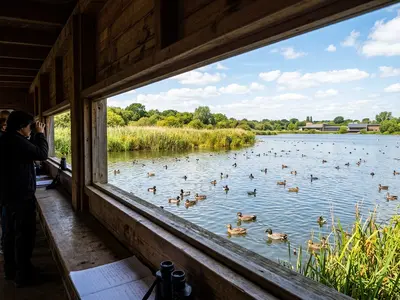
A 105-acre urban wetland reserve in Barnes — home to over 180 bird species just four miles from central London
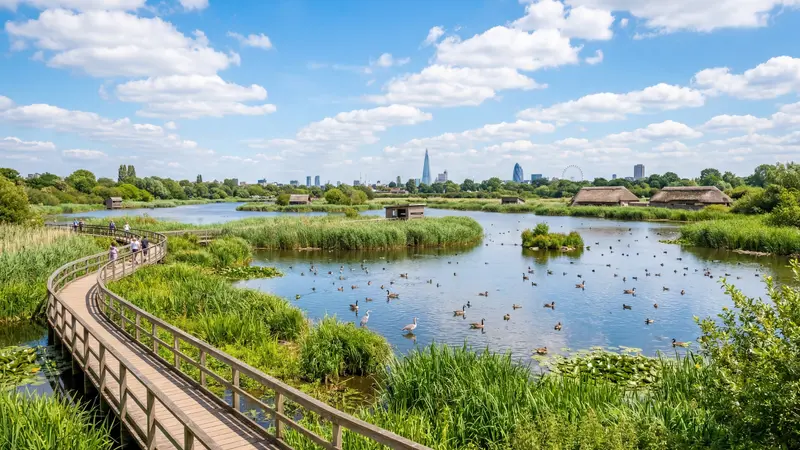
Built on four disused Victorian reservoirs, WWT London Wetland Centre is the largest urban wetland reserve created from scratch in any capital city. Opened in 2000 by Sir David Attenborough, its 105 acres in Barnes support over 180 bird species, 800 moths and butterflies, and a thriving population of water voles — all within four miles of central London.
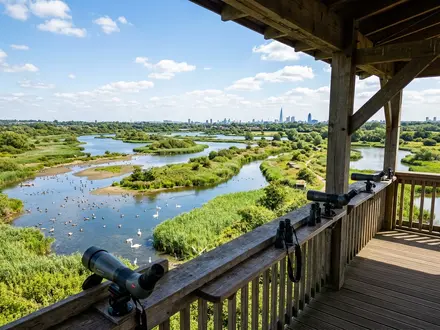
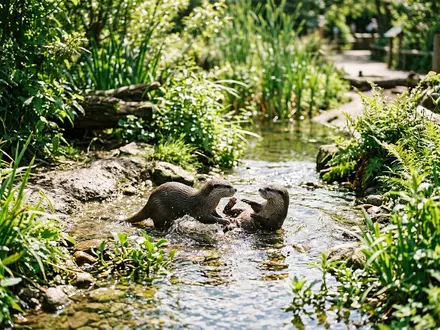
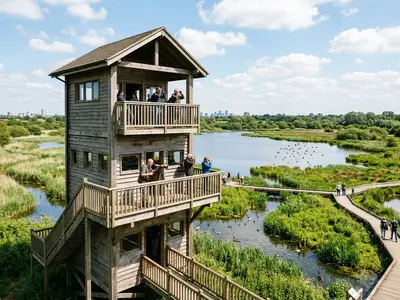
Six bird hides, a three-storey observatory, and a network of boardwalks take you through reed beds, grazing marshes and open water habitats. Otters, kingfishers and bitterns are among the headline residents, while seasonal migrants bring something different to spot on every visit.
The land now occupied by WWT London Wetland Centre spent over a century as the Barn Elms reservoirs, supplying drinking water to south-west London from the 1890s. When the reservoirs were decommissioned in the 1980s, the Wildfowl and Wetlands Trust — founded by Sir Peter Scott in 1946 — saw an opportunity to create something unprecedented: a major wetland habitat inside a capital city. Construction began in 1995 in partnership with Berkeley Homes and Thames Water, involving the movement of 300,000 tonnes of soil to reshape the site into a mosaic of lakes, reed beds, mudflats and grazing marshes.
Sir David Attenborough officially opened the centre on 12 May 2000. Within two years, the site had attracted such significant populations of overwintering gadwall and shoveler ducks that Natural England designated 29.9 hectares as a Site of Special Scientific Interest — remarkably fast recognition for a man-made habitat.
The reserve covers 105 acres divided into distinct habitats, each accessible via surfaced paths and boardwalks. Six bird hides are positioned around the lakes and reed beds, with the Peacock Tower observatory offering the best panoramic views from three storeys up. Telescopes and identification charts are provided, and volunteer guides are often on hand to help with tricky species.
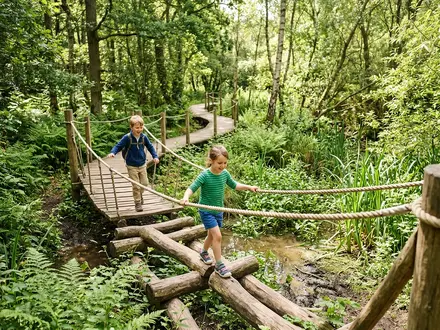
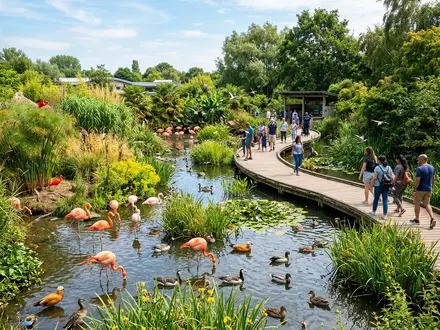
Beyond birdwatching, the World Wetlands experience recreates habitats from around the globe, housing exotic wildfowl grouped by continent. The twice-daily otter feeding sessions draw crowds, and the Wild Walk adventure trail keeps younger visitors occupied with rope bridges, tunnels and pond-dipping stations. Seasonal events include dawn chorus walks in spring, dragonfly counts in summer and starling murmuration viewings in autumn.
The centre sits on the south bank of the Thames, a short walk from Barnes village with its independent shops and pubs along Church Road. The Sun Inn and the Red Lion are both within ten minutes on foot. The Thames Path runs past the entrance, connecting Barnes Bridge to Hammersmith along the river.
Inside the reserve, the Water's Edge Cafe serves hot meals, sandwiches and cakes with views over the main lake. The Kingfisher Kitchen offers lighter refreshments near the adventure area. A gift shop stocks binoculars, field guides and nature-themed gifts. Wheelchair access is good throughout, with hard-surfaced paths connecting all major hides and the observatory. Mobility scooters are available to borrow free of charge.
Book online in advance for 10% off — WWT members and carers accompanying disabled visitors enter free
The reserve opens at 10am and the first hour is the quietest. Early mornings are best for spotting kingfishers and bitterns before the paths get busy.
The hides have telescopes but your own binoculars make the boardwalk sections far more rewarding. The gift shop sells and lends pairs if you forget yours.
A whiteboard near the visitor centre lists that day's notable sightings with locations. Check it on arrival to plan your route around the reserve.
Otter feeding sessions run twice daily, usually at 11am and 2pm. Arrive five minutes early for a good viewing spot — the talks last around 15 minutes.
Barnes Bridge station is only 15 minutes' walk from the entrance and trains run regularly from London Waterloo. It is quicker than the Tube and bus combination.

London Travel Writer · 12+ years covering UK attractions and tourism
Last reviewed: June 2, 2026